Lending

Lending protocols form the backbone of the decentralized money market, allowing users to lend or borrow digital assets without intermediaries. Using smart contracts, platforms like Aave and Morpho automate interest rates based on supply and demand while requiring over-collateralization for security. The 2026 lending landscape features advanced permissionless vaults and institutional-grade credit lines. This tag covers the evolution of capital efficiency, liquidations, and the integration of diverse collateral types, including LSTs and tokenized RWAs.

14550 Articles
Created: 2026/02/02 18:52
Updated: 2026/02/02 18:52
Solana DApps Attracted $193 Million in Monthly Revenue, Led by Axiom, Pump.fun, Phantom, & Others, Commanding More Customers

Solana DApps Attracted $193 Million in Monthly Revenue, Led by Axiom, Pump.fun, Phantom, & Others, Commanding More Customers

Over the past month, several DApps on Solana witnessed exceptional achievement as their cumulative revenues surged to $193 million, showing their popularity.

Author: Blockchainreporter
Can Low-Risk DeFi Save Ethereum’s Future? Vitalik Buterin Weighs In

Can Low-Risk DeFi Save Ethereum’s Future? Vitalik Buterin Weighs In

TLDR Vitalik Buterin believes low-risk DeFi could play a vital role in Ethereum’s long-term sustainability. Buterin compares low-risk DeFi to Google Search, viewing it as a potential revenue anchor for Ethereum. Stablecoins like USDT and USDC offer reliable returns and could help stabilize Ethereum’s economic layer. Ethereum’s DeFi ecosystem has recently seen a resurgence with [...] The post Can Low-Risk DeFi Save Ethereum’s Future? Vitalik Buterin Weighs In appeared first on CoinCentral.

Author: Coincentral
Ethereum’s ‘Google Moment’? Vitalik Buterin Reveals Next Big Step for Blockchain

Ethereum’s ‘Google Moment’? Vitalik Buterin Reveals Next Big Step for Blockchain

The post Ethereum’s ‘Google Moment’? Vitalik Buterin Reveals Next Big Step for Blockchain appeared on BitcoinEthereumNews.com. According to Vitalik Buterin, the future of Ethereum (ETH) lies not in NFTs or meme coins, but in something far simpler — low-risk DeFi. In a new essay, the Ethereum co-founder likened this to how search became Google’s main source of income, powering every other service around the internet giant. In short, the point is that Ethereum doesn’t need hype cycles to survive. What it needs is a solid foundation of payment systems, savings accounts, collateralized lending and synthetic assets that will stand the test of time. These are trustworthy tools that also keep ETH locked up and fees flowing. The numbers show why this shift is important. Back in 2019, Ethereum DeFi losses amounted to more than 5% of the total value locked. By 2025, that figure had dropped to almost zero. Protocols have become safer, risks have dropped, and the wild edges of DeFi have moved further away from the core. Buterin argues that, for millions of users, the risks in traditional finance are now greater than those in DeFi. “Digital oil” or new Google? Low-risk DeFi also creates opportunities for the road ahead. These include reputation-based lending without heavy collateral, prediction markets used for hedging and new forms of stable value, such as “flatcoins” tied to inflation indexes. All of these build on the safer foundations being formed today. Buterin is clear in his message — Ethereum’s biggest application doesn’t need to be revolutionary. It just needs to work everywhere, reliably. Low-risk DeFi fits that role, and if he is right, it could be the piece that finally makes Ethereum both sustainable and integral. Source: https://u.today/ethereums-google-moment-vitalik-buterin-reveals-next-big-step-for-blockchain

Author: BitcoinEthereumNews
Top 2 Cryptos That Will Create the Most Millionaires in 2025

Top 2 Cryptos That Will Create the Most Millionaires in 2025

Ripple (XRP) has been one of the most mature altcoins with investors betting on its role in cross-border payments and regulatory clarity to drive the next leg higher. However, while XRP offers stability and slow-and-steady growth prospects, a new project, Mutuum Finance (MUTM), is flashing stellar performance potential. MUTM continues its presale at $0.035, but […]

Author: Cryptopolitan
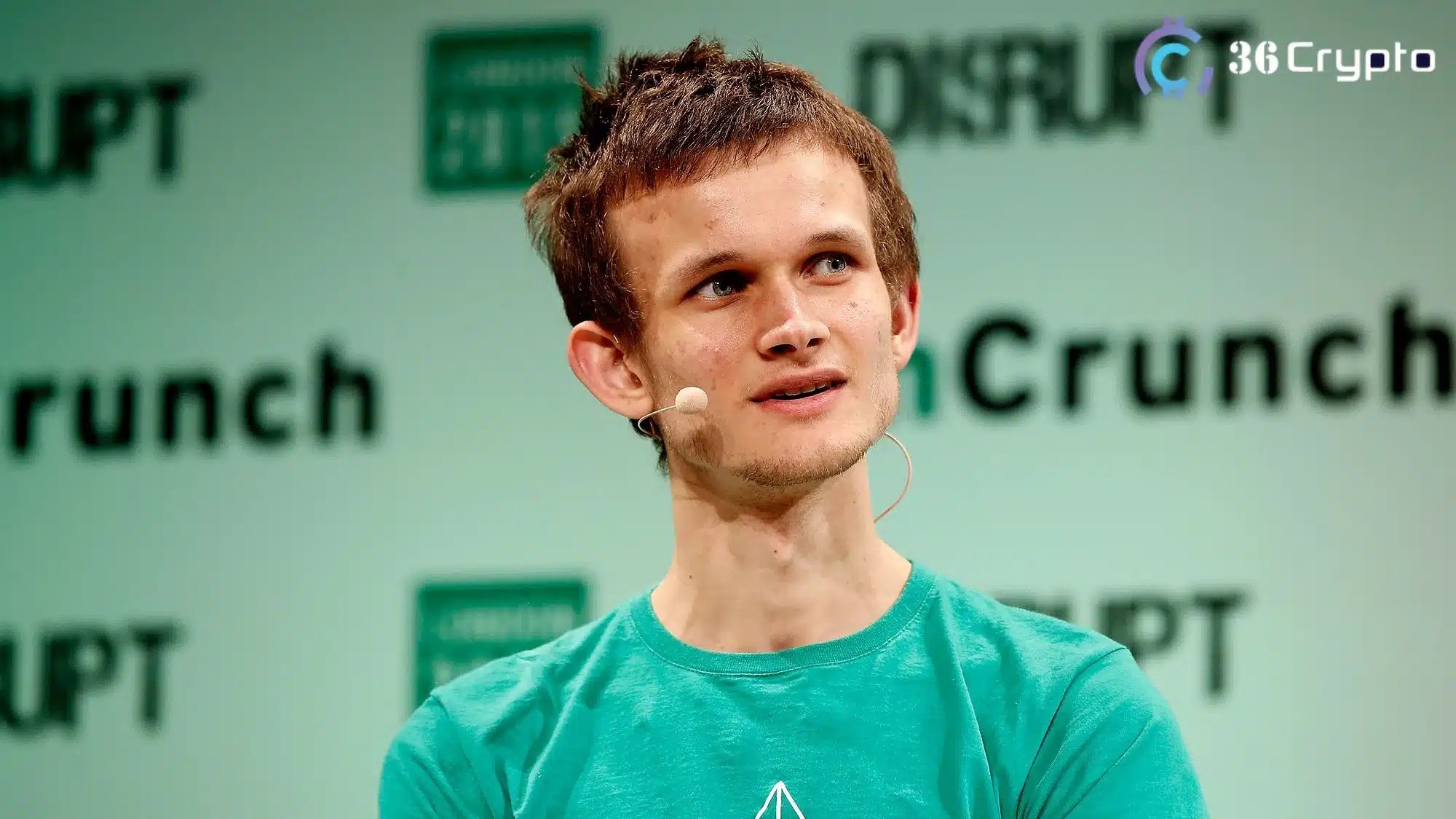
Vitalik Buterin Reveals Ethereum’s Future: Low-Risk DeFi, Not NFTs or Memes!

Vitalik Buterin Reveals Ethereum’s Future: Low-Risk DeFi, Not NFTs or Memes!

 Vitalik Buterin envisions Ethereum’s future with stable, low-risk DeFi. Ethereum shifts focus to secure, reliable decentralized finance over hype. Low-risk DeFi could be Ethereum’s key to long-term success. Ethereum’s future is shifting focus away from high-risk trends like NFTs and meme coins. According to Vitalik Buterin, Ethereum’s co-founder, the real potential lies in low-risk decentralized finance (DeFi). Buterin compares this shift to how Google became a powerhouse through its search services, providing the foundation for all its other products. Ethereum’s success, he argues, doesn’t need hype or buzz it needs stability. In recent years, Ethereum DeFi has evolved significantly. Once plagued by high losses over 5% of the total value locked in 2019 Ethereum’s DeFi protocols have drastically improved. By 2025, those figures are predicted to drop to near zero, with a marked decrease in risk as protocols become more secure and reliable. The focus has shifted from speculative ventures to trustworthy, core financial systems that remain sustainable. Also Read: Fiji Cracks Down on Crypto: Is This the End of Digital Assets in Paradise? Why Low-Risk DeFi is Ethereum’s Key to Long-Term Success Vitlalik Buterin vision centers around practical applications like payment systems, savings accounts, collateralized lending, and synthetic assets. These elements not only serve everyday needs but also ensure that ETH remains locked in the system, promoting network activity and providing liquidity. For many users, the risks tied to traditional finance are now greater than those found within DeFi systems. The rise of low-risk DeFi is opening up new opportunities for Ethereum. Buterin points to potential innovations such as reputation-based lending with less reliance on collateral, prediction markets for hedging, and new forms of stable assets like flatcoins linked to inflation. These are all part of Ethereum’s effort to make finance more accessible, secure, and reliable. Buterin’s message is simple: Ethereum’s strength lies in making decentralized finance work without the constant cycle of hype. If Ethereum continues down the path of low-risk, reliable DeFi, it could cement its place as a key player in global finance for the long haul. Also Read: Senate Democrats Demand Bipartisan Crypto Bill, Challenge GOP’s Approach The post Vitalik Buterin Reveals Ethereum’s Future: Low-Risk DeFi, Not NFTs or Memes! appeared first on 36Crypto.

Author: Coinstats
Low-Risk DeFi: Vitalik Buterin’s Vision for Ethereum’s Killer App

Low-Risk DeFi: Vitalik Buterin’s Vision for Ethereum’s Killer App

The post Low-Risk DeFi: Vitalik Buterin’s Vision for Ethereum’s Killer App appeared on BitcoinEthereumNews.com. Ethereum has never lacked ambition. From its earliest days, it sported the bold tagline of becoming the “world computer.” The Ethereum network would be a global, decentralized platform where developers could build everything from uncensorable social networks to next-gen financial markets. Yet a decade in, that “killer app” that would draw millions, even billions, to blockchain has remained stubbornly out of reach. Now, in a candid new post titled Low-risk DeFi can be for Ethereum what search was for Google, Ethereum creator Vitalik Buterin makes the case for the platform’s catalyst: low-risk DeFi. Think less crypto-casino, gambling on ETH price, and more the equivalent of Google’s search. Something universally useful, quietly reliable, and foundational enough to support a whole economic ecosystem. Source: Vitalik Buterin on X Ethereum: From World Computer to DeFi Workhorse It’s been quite a ride for Ethereum’s narrative and the ETH price over the years. At launch, the focus was all on smart contracts and unstoppable applications, a sort of new internet. Then came the ICO boom, which turned Ethereum into a capital-raising machine and drew waves of regulatory heat. For a while, NFTs and digital art stole the narrative. Then, DeFi summer (and its follow-on winters) cemented Ethereum’s role as crypto’s financial pipeline and speculative venue. Each narrative reflected both genius and growing pains; a testament to how hard it is to balance innovation, adoption, and principle. Yet, throughout all these shifts, something was missing: the sort of everyday app that survives long after the hype dies down. Buterin argues that Google has many amazing products, but it’s still search and search ads that pay the bills. What could serve a similar foundational purpose for Ethereum and rally the ETH price? Perhaps, he now argues, it’s not the latest memecoin lottery, but good old-fashioned lending, stablecoins,…

Author: BitcoinEthereumNews
Bull Market Trio: Best Coins for Exponential Returns With BullZilla Price Prediction, World Liberty Financial & Polkadot

Bull Market Trio: Best Coins for Exponential Returns With BullZilla Price Prediction, World Liberty Financial & Polkadot

Discover why the BullZilla presale is capturing early investors’ attention and how World Liberty Financial and Polkadot complement the list of best new coins for exponential returns in 2025.

Author: Blockchainreporter
Ethereum’s Vitalik Buterin Compares Low-Risk DeFi To Google

Ethereum’s Vitalik Buterin Compares Low-Risk DeFi To Google

The post Ethereum’s Vitalik Buterin Compares Low-Risk DeFi To Google appeared on BitcoinEthereumNews.com. Ethereum co-founder Vitalik Buterin believes that stable, low-risk decentralized finance protocols can provide an economic backbone to the blockchain network. He compared their role to the way Google Search has long supported Google. In a Sept. 20 blog post, Buterin defined low-risk DeFi as applications that include payments, savings tools, synthetic assets, and fully collateralized lending. What is Low-Risk DeFi? Sponsored These protocols, he explained, create irreplaceable value for both the network and its users. Unlike speculative yield farming or meme-driven trading, they align with Ethereum’s technical properties and the community’s long-term goals. According to him, these low-risk DeFi protocols now serve as a reliable foundation for the blockchain network. They would also ensure Ethereum’s economic resilience while freeing other projects from the burden of generating revenue. “Ethereum has decentralization baked in at a much deeper technical and social layer, and I would argue that the low-risk defi use case creates a lot of alignment between ‘doing well’ and ‘being good,’ to a degree that does not exist for advertisement,” he noted. Buterin admitted he was initially skeptical of DeFi because its early use cases revolved around speculative tokens, liquidity mining, and unsustainable yields. The environment, shaped partly by regulatory barriers, pushed developers toward products that appeared “safe” only when they offered little substance. Sponsored In his view, agencies like the US SEC, under Gary Gensler, created perverse incentives by punishing transparent projects while ignoring speculative activity. “Gary Gensler and others deserve serious blame for creating a regulatory environment where the more useless your application is, the safer you are, and the more transparently you act and the more clear guarantees you offer to investors, the more likely you are to be deemed ‘a security’,” Buterin wrote Moreover, the Ethereum co-founder opined that high technical risks also shaped DeFi’s early…

Author: BitcoinEthereumNews
BlockDAG’s Record-Breaking nearly $410M Rise & Singapore Deployment Event Put Nexchain’s Presale Hopes to the Test

BlockDAG’s Record-Breaking nearly $410M Rise & Singapore Deployment Event Put Nexchain’s Presale Hopes to the Test

The Nexchain crypto presale has grabbed early attention as traders scout for the next breakout token. Hype around the Nexchain […] The post BlockDAG’s Record-Breaking nearly $410M Rise & Singapore Deployment Event Put Nexchain’s Presale Hopes to the Test appeared first on Coindoo.

Author: Coindoo
USDC Minted: A Monumental Move for Stablecoin Stability

USDC Minted: A Monumental Move for Stablecoin Stability

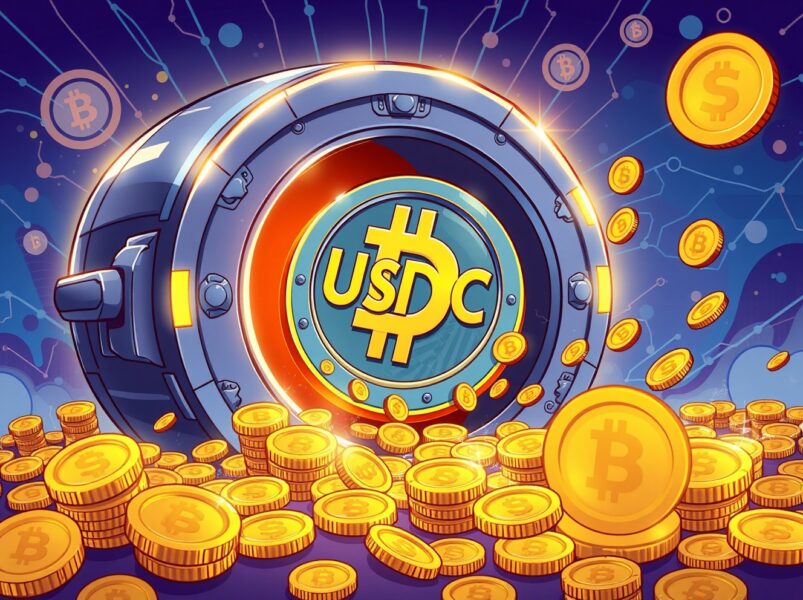
BitcoinWorld USDC Minted: A Monumental Move for Stablecoin Stability The cryptocurrency world is buzzing with significant news! According to a recent report from Whale Alert, a substantial 250 million USDC minted at the USDC Treasury has just been added to the digital asset landscape. This monumental injection of a major stablecoin is more than just a number; it signals important shifts and potential movements within the broader crypto market. For anyone tracking digital finance, understanding the implications of such a large-scale event is crucial. Let’s dive into what this means for stability, liquidity, and the future of decentralized finance. What Does 250 Million USDC Minted Really Mean? When we hear that 250 million USDC minted, it refers to the creation of new units of USD Coin (USDC). USDC is a stablecoin, meaning its value is pegged 1:1 to the US dollar. This makes it a crucial bridge between traditional finance and the volatile cryptocurrency market. The minting process typically occurs when an authorized entity, like Circle (the issuer of USDC), receives an equivalent amount of fiat currency (US dollars) and then issues new USDC tokens onto the blockchain. It’s essentially a digital representation of real-world money entering the crypto ecosystem. This process is vital for maintaining the stability and reliability of USDC. Every USDC token in circulation is theoretically backed by a corresponding dollar in reserves, ensuring its peg. The report from Whale Alert simply tracks these large movements on the blockchain, acting as a transparent monitor for significant transactions and creations of digital assets. So, while 250 million sounds like a huge sum, it reflects a direct inflow of capital or demand for a stable digital dollar. The Power of USDC Minted: Market Implications The creation of such a large amount of USDC minted often carries significant market implications. One primary effect is an increase in liquidity. More USDC means more stable capital available within the crypto ecosystem. This liquidity can be used for various purposes: Trading: Traders can use USDC to buy other cryptocurrencies, potentially driving up demand for assets like Bitcoin or Ethereum. Lending and Borrowing: Increased USDC supply can fuel decentralized finance (DeFi) protocols, making more capital available for lending and borrowing activities. On-ramps: It can signify that institutional investors or large-scale users are bringing more fiat currency into the crypto space, converting it into USDC for easier digital transactions. Moreover, a substantial minting event like this can sometimes be seen as a vote of confidence in the stablecoin’s utility and the broader crypto market. It suggests a demand for stable digital assets, which can be a positive indicator during times of market uncertainty or expansion. Navigating the Impact of USDC Minted on Crypto How might this fresh batch of USDC minted impact your crypto journey? While it’s not a direct price predictor for volatile assets, it can certainly influence market dynamics. For instance, if this newly minted USDC is primarily used to purchase other cryptocurrencies, we could see upward price pressure on those assets. Conversely, if it’s held as a stable store of value, it might indicate a cautious approach by investors seeking refuge from volatility. Consider these potential scenarios: Increased Trading Volume: Expect to see higher trading volumes on exchanges as this new capital moves around. DeFi Growth: DeFi platforms might experience an influx of liquidity, potentially leading to better interest rates for lenders or more accessible loans for borrowers. Institutional Interest: Large mints often coincide with institutional players entering or expanding their positions in the crypto market, using stablecoins as their entry point. Understanding these flows helps in making informed decisions, whether you are a trader, an investor, or simply curious about the crypto landscape. Why is More USDC Minted Now? The decision to have USDC minted in such large quantities is typically driven by market demand. There are several reasons why this might be happening: Growing Demand for Stablecoins: As the crypto market matures, more individuals and institutions are using stablecoins for transactions, remittances, and as a safe haven asset. Increased Institutional Adoption: Major financial institutions might be converting large sums of fiat into USDC to participate in DeFi or other blockchain-based financial services. Market Expansion: The overall growth of the crypto market, including new applications and use cases for blockchain technology, naturally increases the need for stable digital currency. Arbitrage Opportunities: Sometimes, large mints occur when there’s an arbitrage opportunity, where market participants can profit from slight price discrepancies between USDC and USD on different platforms. This minting event underscores the continuous evolution and integration of stablecoins into the global financial system. It highlights their role as essential infrastructure for digital economies. The recent report of 250 million USDC minted at the Treasury is a clear signal of significant activity within the stablecoin sector. This substantial injection of digital dollars into the ecosystem enhances liquidity, supports various DeFi applications, and reflects ongoing demand for stable assets in the volatile crypto market. As the digital economy continues to expand, stablecoins like USDC will undoubtedly play an even more critical role in bridging traditional finance with the innovative world of blockchain. Staying informed about these large-scale movements helps us understand the pulse of the market and anticipate future trends. Frequently Asked Questions (FAQs) Here are some common questions about USDC minting and stablecoins: What is USDC? USDC (USD Coin) is a type of cryptocurrency known as a stablecoin. Its value is pegged 1:1 to the US dollar, meaning one USDC is always intended to be worth one US dollar. This stability makes it a popular choice for transactions, trading, and as a digital store of value. Who mints USDC? USDC is issued by Circle, a regulated financial technology company, in partnership with Coinbase, through the Centre Consortium. They are responsible for ensuring that every USDC token is backed by an equivalent amount of US dollar reserves. Why is USDC minting important for the crypto market? Large USDC minting events indicate increased demand for stable digital assets. This often translates to higher liquidity in the crypto market, which can facilitate more trading, lending, and overall activity within decentralized finance (DeFi) ecosystems. It can also signal institutional interest. Are all stablecoins backed 1:1 like USDC? While many stablecoins aim for a 1:1 peg with fiat currencies, the backing mechanisms can vary. Some are collateralized by fiat reserves (like USDC), others by cryptocurrencies, and some are algorithmic (though these have faced challenges). USDC is known for its transparent, fiat-backed reserves. How can I track USDC minting events? Services like Whale Alert often report significant minting and burning events for major cryptocurrencies, including stablecoins like USDC. These reports are typically based on publicly available blockchain data, offering transparency into large-scale movements. We hope this article shed some light on the recent 250 million USDC minted event and its broader implications for the crypto market. If you found this information valuable, please consider sharing it with your network on social media. Your insights and shares help spread awareness and foster a more informed cryptocurrency community! To learn more about the latest crypto market trends, explore our article on key developments shaping stablecoin institutional adoption. This post USDC Minted: A Monumental Move for Stablecoin Stability first appeared on BitcoinWorld.

Author: Coinstats