Launchpad

Launchpads are decentralized platforms that facilitate early-stage fundraising for new Web3 projects through Initial DEX Offerings (IDOs). They provide investors with curated access to token sales while offering startups a community-driven capital injection. In 2026, launchpads have evolved into full-stack incubators, focusing on project quality and long-term sustainability. Follow this tag for the latest in token distribution models, tier-based participation, and the emergence of the next generation of "unicorn" protocols across various blockchain ecosystems.

2895 Articles
Created: 2026/02/02 18:52
Updated: 2026/02/02 18:52
One Year On: Inside ApeChain’s Brief Rise and Slow Fall

One Year On: Inside ApeChain’s Brief Rise and Slow Fall

The post One Year On: Inside ApeChain’s Brief Rise and Slow Fall appeared on BitcoinEthereumNews.com. Just over a year after its launch, ApeChain’s TVL has dropped over 80%, and only three of its nearly 30 protocols generate any revenue. ApeChain, the Yuga Labs-backed Layer 3 network built for the ApeCoin ecosystem, celebrated its first anniversary last month. After a brief rise in on-chain value and activity, ApeChain has been mostly in decline since its launch, while its native token ApeCoin (APE) has also struggled to regain its NFT-era highs. When it launched at ApeFest in Hong Kong on Oct. 20 last year, the project promised a variety of features such as fast transactions, non-fungible token (NFT) staking, and multiple utility-cases for APE, which was launched two years prior to the network’s debut. At first, the launch of ApeChain — which was initially proposed to the ApeCoin DAO by a team including leads at Horizen Labs, Arbitrum developer Offchain Labs, and the Arbitrum Foundation — sparked a surge in activity as the network was supported by “Banana Bill,” an initiative with over 100 million APE tokens aimed at incentivizing developers and apps. ApeChain TVL in USD. Source: DefiLlama And for a brief period of time, those efforts indeed paid off as the network saw a surge in total value locked (TVL), hitting a peak of $33.8 million in December 2024, according to data from DefiLlama. But TVL has mostly been in steady decline since then, falling as low as $6.7 million at the time of writing — its lowest level ever, except for a brief drop in November of last year. Also per DefiLlama, only three of the nearly 30 protocols on ApeChain are making any revenue, and two of them made less than $100 in the past 24 hours. Top-5 ApeChain protocols by 24-hour revenue. Source: DefiLlama Since ApeChain’s native token APE launched, its price…

Author: BitcoinEthereumNews
Strategy Adds 397 BTC as Tapzi Heats Up: Best Crypto Presale To Buy Now — Is It the Next Crypto To Explode?

Strategy Adds 397 BTC as Tapzi Heats Up: Best Crypto Presale To Buy Now — Is It the Next Crypto To Explode?

Saylor doubles down on BTC as Tapzi, the best crypto presale of 2025, introduces a sustainable Skill-to-Earn model redefining Web3 gaming.

Author: Blockchainreporter
When AI has memory and identity: How Unibase unleashes the true potential of the x402 and ERC-8004?

When AI has memory and identity: How Unibase unleashes the true potential of the x402 and ERC-8004?

Author: Frank, PANews The x402 protocol is undoubtedly at the heart of the current crypto market's hottest narrative. After a long period of silence, a new wave driven by real technology is sweeping in. A gold rush is underway around x402 infrastructure, with related discussions and projects emerging one after another. But amidst the fervor, a crucial question has been overlooked: if x402 only solves the problem of "how to pay," then who will solve the problems of "why trust" and "how to verify"? While everyone's attention is focused on the payment layer, the real new asset opportunities may be hidden in its accompanying trust layer—ERC-8004. However, a seemingly insurmountable chasm still exists between payment (x402) and trust (ERC-8004). Without "memory," AI agents cannot prove their behavior and value; and without verifiable memory, trust is meaningless. This is precisely the key to Unibase's "memory layer," which is not only a crucial middleware connecting the payment frenzy with the cornerstone of trust, but also has the potential to become the core engine for unleashing the true potential of AI agents. Payment is just the first step; the x402 and ERC-8004 become the dual drivers of the agency economy. The x402 protocol itself is not a new thing, but rather a status code that has been dormant in the basic HTTP protocol of the Internet for decades—"402 Payment Required". This protocol was one of the earliest visions of the Internet, but it remained dormant for decades due to technological limitations. With the maturity of AI agent technology and the increasing application of cryptocurrencies (especially stablecoins), the x402 protocol finally has the opportunity to turn the scenario of automatic machine payments into reality. The essence of the x402 protocol is to leverage the instant, low-cost settlement capabilities of blockchain (especially stablecoins) to natively embed payment logic into web requests. Its vision is to achieve "API calls as payments"—AI agents or machines can automatically and frequently pay for every piece of data or computing resources they consume, just like humans browsing the web. With top venture capitalists like a16z predicting the autonomous transaction economy will reach $30 trillion, the market quickly recognized the enormous potential of X402 as a "payment layer for the machine economy." However, behind this blind enthusiasm, a deeper question has surfaced: payments, then what? x402 is a pure payment protocol. It efficiently solves the problem of "how to pay," but it completely fails to address a more fundamental business premise—"trust." In an open, permissionless machine economy, how does an AI agent (buyer) know that another AI agent (seller) it is about to pay is trustworthy? Just as humans rely on identity and credit systems to participate in commercial activities, AI or machines also need a mechanism to build trust. This is where the value of another standard protocol, ERC-8004, lies. ERC-8004 is a decentralized identity and reputation layer designed specifically for AI agents, aiming to solve the trust problem lacking in x402. Its technical principle consists of an Identity Registry, a Reputation Registry, and a Validation Registry, enabling AI agents to issue "identity cards" on the Internet, and to achieve a complete trust process of reputation feedback and verification. It can be said that ERC-8004 and x402 are closely complementary and indispensable symbiotic entities in the machine economy. However, because the x402 protocol is more easily interpreted by the market as a payment revolution, coupled with the hype and marketing surrounding MEME, it has received more market discussion. True industry practitioners have long recognized that payments must be combined with trust. Unibase was among the first to seize this opportunity, positioning itself as middleware connecting these two pillars. On the Unibase platform, the ERC-8004 identity system is deeply integrated with the x402 payment network. In Unibase's vision, every x402 transaction in the future will no longer be an anonymous, blind "black box operation." Instead, each payment will occur between two AI agents with verifiable identities (ERC-8004). Before payment, the buyer's agent can query the seller's agent's "identity card" and historical credit score through the ERC-8004 registry; after payment, the buyer can also record this service experience (provided by x402 payment) in the seller's reputation registry, thus forming a complete closed loop of business trust. Creating a "golden triangle" of identity, memory, and payment, BNB Chain is the first to launch this initiative. However, for this system to truly function, it also needs a third key component—memory. An AI assistant without memory is foolish. Imagine having to tell your smart speaker who you are, where you live, and what kind of music you like every morning. This is the dilemma of "stateless" AI. This problem is even more critical for autonomous agent economies. An agent needs not only an identity (ERC-8004), but also "memory" to accumulate experience, learn preferences, and share knowledge. More importantly, in an economy built on payments (x402) and trust (ERC-8004), "memory" plays a central role as a "verifiable proof of work." For example, Agent A (the buyer) pays Agent B (the seller) using x402. Agent B has an ERC-8004 identity. Now, Agent B claims it has completed the work. How can Agent A (and the entire network) cryptographically verify that it was indeed completed and completed as requested? This process requires the introduction of a "memory" function. Unibase's Memory is a decentralized persistent storage layer designed for AI agents, linked through the ERC-8004 identity system. This means that each agent with an ERC-8004 identity has a dedicated "memory space" on Unibase that is tied to its identity. This "memory space" is not only the "brain" for agents to learn and be situationally aware, but also an indispensable "arbitration and verification layer" in the machine economy. In Unibase's architecture, when an agent performs a task, its complete interaction log, data processing process, and final result are stored in Unibase Memory, forming an immutable "memory entry" with a hashed timestamp. This "memory entry" is the agent's "proof of work." At this point, the golden triangle architecture consisting of the ERC-8004 identity layer, the Unibase Memory layer, and the x402 payment layer can be considered to have truly realized the complete scenario of machine payment. The ERC-8004 identity layer gives each agent a unique on-chain identity; the Unibase Memory layer is responsible for recording interactions, reasoning, and behavioral trajectories; and the x402 payment layer is based on verifiable, gas-free payments. To put this theory into practice, Unibase launched its Unibase x402 Facilitator service on BNB Chain. This is also the first x402 Facilitator service to be put into practical use on BNB Chain. BitAgent, a multi-agent collaboration platform, enables rapid launch of native x402 & 8004 applications. An excellent technology strategy requires not only a strong theoretical framework, but also a precise market entry strategy. Unibase's strategy is not limited to being a passive infrastructure (middleware); it also actively drives its market entry strategy through an integrated application layer, the key to which is BitAgent. BitAgent is the first flagship application built by the Unibase team. It is a multi-agent launchpad and coordination platform powered by x402 and ERC-8004. If Virtuals Protocol opened up the race for AI-driven agent distribution, then BitAgent aims to provide an "AI-native" distribution platform with a more complete technology stack. AI native means that every AI agent launched on BitAgent is pre-end equipped with the "golden triangle" capabilities: Verifiable identity (ERC-8004): The agent automatically registers an ERC-8004 identity NFT upon startup. Persistent Memory (UnibaseMemory): Agents are inherently connected to UnibaseMemory, enabling them to "remember" and "learn". Gas-free payment (x402 + EIP-3009): The agent has embedded x402 payment capability and realizes gas-free transactions through EIP-3009. Interoperability (Unibase AIP): Agents can communicate and collaborate across platforms and frameworks through the Unibase Agent Interoperability Protocol (AIP). This design distinguishes BitAgent from earlier AI-driven platforms. On other platforms, features such as identity, memory, and payment might require developers to "patch-up" them afterward; but on BitAgent, these are "factory standard" features, core capabilities inherent to the agent. In addition, BitAgent has designed a unique issuance mechanism for AI agent tokens. This mechanism combines the viral spread of Meme Coin with the liquidity accumulation of DeFi. This mechanism consists of two phases: The first stage is the Bonding Curve, which is similar to the current mainstream MEME coin issuance platforms. When an AI agent is launched on BitAgent, its tokens are first launched "fairly" through the "bonding curve". The second phase involves automatic injection into the PancakeSwap V3 liquidity pool. When the token trading volume or funds raised in the bonding curve reaches a preset threshold, the contract will automatically and permanently inject all funds accumulated in the bonding curve (such as BNB) and the remaining AI proxy tokens into a new liquidity pool (LP) in PancakeSwap V3. Through this two-stage process, BitAgent enables AI proxy tokens to transform from a highly volatile and speculative "meme asset" into a "DeFi asset" with deep, stable, and permanent liquidity within hours. Unibase's market narrative is now nearly complete. At the infrastructure level, it addresses the core contradiction of the autonomous agent economy: payments (x402) are blind, and trust (ERC-8004) is hollow unless linked by a “verifiable memory.” Unibase positions itself as an indispensable “middle layer” in this emerging economy through Unibase Memory: a “memory ledger” that provides the final “proof of work” and arbitration basis for machine behavior. At the application level, Unibase chose to proactively fill market gaps. Through BitAgent, it cleverly leveraged the viral spread of the most mainstream memes and the deep liquidity of DeFi as its underlying "memory" infrastructure, continuously creating real and robust economic demand, thereby stimulating the true potential of x402 and ERC-8004.

Author: PANews
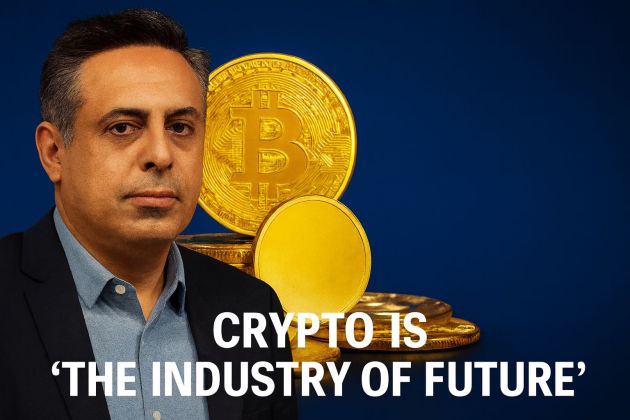
David Sacks Calls Crypto ‘The Industry of the Future’ — $BEST Stands Out Despite Dip

David Sacks Calls Crypto ‘The Industry of the Future’ — $BEST Stands Out Despite Dip

Quick Facts ➡️ David Sacks calls crypto ‘the industry of the future,’ emphasizingthe US’s need to reassert digital leadership. ➡️Market correction aside, on-chain and venture metrics show accelerating long-term growth. ➡️Best Wallet Token ($BEST) empowers self-custody through a mobile-first DeFi super app. ➡️$BEST presale is live at $0.03 with staking rewards up to 300% APY […]

Author: Bitcoinist
Feds Demand Five Years for Samourai Wallet Founders: Best Wallet Remains Private

Feds Demand Five Years for Samourai Wallet Founders: Best Wallet Remains Private

Quick Facts: 1️⃣ Prosecutors want the full five-year prison sentence for Samourai Wallet’s founders after they pleaded guilty to an illegal money-transmitting charge. 2️⃣ A key piece of evidence is an internal message where a founder called their mixing feature ‘money laundering for Bitcoin.’ 3️⃣ Best Wallet remains a private and secure multi-chain wallet for […]

Author: Bitcoinist
How to Create a Meme Coin on Solana: A Step-by-Step Guide

How to Create a Meme Coin on Solana: A Step-by-Step Guide

Meme coins on Solana have become a popular way for anyone to join the crypto world with creativity and humor. Creating a meme coin on Solana is a direct process that involves picking a catchy idea, using a token creation tool, and launching the token on the blockchain. People often choose Solana because it is fast, has low fees, and offers user-friendly tools even for beginners.New projects can stand out by choosing a unique name and focusing on community support. Many are surprised to learn they don’t need coding experience, because no-code platforms and step-by-step guides make the process accessible to almost anyone. This growing trend inspires more people to launch meme tokens and become part of the vibrant Solana ecosystem.Understanding Meme Coins and the Solana BlockchainMeme coins are unique digital currencies that grow mainly through community activity, trends, and internet culture. Solana provides a fast, affordable blockchain network that is popular for launching new crypto projects, including meme coins.What Is a Meme Coin?A meme coin is a type of cryptocurrency inspired by jokes, memes, or internet trends. These coins often start as a way to create fun, but they can gain real value if enough people join in.Unlike Bitcoin or Ethereum, meme coins do not offer new or advanced technology. Instead, they stand out for their branding, humor, and community support. Popular meme coins like Dogecoin and Shiba Inu have attracted large online groups.On the Solana blockchain, meme coins are even easier to make and share. This attracts users who are new to blockchain and want to be part of viral trends in the crypto world.Why Choose Solana for Meme Coins?Solana is a blockchain known for its high speed and very low fees. Transactions are often nearly instant, which makes it easier for meme coins to spread quickly and keep up with fast-moving online trends.Solana provides a user-friendly environment with many no-code tools and platforms where anyone can launch a token with little technical knowledge. Low costs encourage more experimentation, which is perfect for the meme coin space.Because Solana supports high transaction volume, meme coins built on this blockchain can handle sudden spikes in activity. This is important when a coin becomes popular and trading grows quickly.Overview of the Solana EcosystemThe Solana ecosystem includes a wide range of projects and tools that support new developers and crypto communities. There are many launchpads, wallets, and decentralized exchanges that make creating and sharing meme coins very simple.Projects in the Solana ecosystem, such as Raydium and Jupiter, help users swap and trade tokens with efficiency. The community is active and often supports new meme coins with guides, resources, and marketing channels.Solana's strong developer support and active user base make it an attractive choice for people interested in joining or creating new meme coin projects. Users can find help and connect with others through social media groups, forums, and online events.Essential Prerequisites Before Creating a Meme CoinBuilding a meme coin on Solana requires planning and preparation across a few key areas. A strong meme idea, technical setup, and the right budget and tools all make a big difference.Choosing a Viral Meme ConceptThe success of a meme coin often depends on the meme itself. A meme should be easy to understand, memorable, and have wide appeal. Projects like Dogecoin and Shiba Inu grew fast because their themes were simple and relatable.The Doge meme that inspired DogecoinIt helps to look for trends on social media and online forums. New memes fade quickly, so timing is important. Strong coin names are short, funny, and easy to search for.Consider making graphics, a short story, or other content to help the meme spread. Think about how the concept will fit with Solana’s fast transactions and low fees. Plan how users will share and talk about the coin online.Budgeting and Required ToolsLaunching a meme coin on Solana is cheaper than on many other platforms, but some costs still apply. Creators need to hold enough SOL to pay for network fees. Small fees cover minting tokens, creating accounts, and future transactions.Basic budget checklist:Buying some SOL (the network’s main currency)Possible costs for marketing and graphicsOptional tools for no-code token creation, like Token Tool or Solana Program Library interfacesNo-code platforms often charge a fee, but they save time. Free open-source options require some technical skill. Tools like Coin Market Cap’s Solana SDK or websites such as Token Tool can be very useful.Setting Up Your Solana WalletA Solana wallet is required to manage tokens and pay for fees. Two popular wallets are Phantom Wallet and Solflare.Phantom Wallet:User-friendly browser extension and mobile appStores SOL and Solana tokensLets users sign transactions and connect to dAppsSolflare:Offers both browser and web versionsSupports staking and advanced featuresFocuses on security and user supportSetting up a wallet includes downloading the app or extension, writing down the recovery phrase, and securing it. The wallet must be funded with enough SOL to cover all steps of token creation.A secure wallet setup helps avoid hacks and errors during the launch. Both Phantom and Solflare guide new users through setup and provide help if needed.Methods to Create a Meme Coin on SolanaThere are different ways to launch a meme coin on Solana, each with its own benefits and steps. Some approach the process with no coding, while others prefer working directly through Solana’s command-line interface.Using No-Code Solana Token Creator ToolsNo-code Solana token creator tools let users make meme coins without any programming. These online tools, such as Solana Token Creator and Fluxbeam, walk users through each step. People only need to enter the coin name, symbol, total supply, and sometimes upload a logo image.After entering the needed details and connecting a Solana wallet like Phantom, users pay a small fee in SOL. The tool automatically creates the coin’s mint address and publishes it on the Solana blockchain. This method is fast, with most coins created in less than ten minutes.No-coding solutions help beginners avoid errors, and some platforms offer extra features. These might include token distribution settings or direct tools to add liquidity to Solana decentralized exchanges.Manual Token Creation with SPL Token CLIManual creation uses Solana’s SPL Token CLI (Command-Line Interface). This approach requires some technical skill and the installation of Solana CLI on a computer.Users start by generating a new wallet or using an existing Solana wallet. The CLI command spl-token create-token creates a new token, returning a unique mint address. With spl-token create-account MINT_ADDRESS, an account is set up to hold the new token.Next, the user mints the desired supply with spl-token mint MINT_ADDRESS AMOUNT. This hands-on method gives more control over advanced options, like choosing freeze authorities or setting mint features, but takes more time and understanding than no-code platforms.Integrating Token Metadata and ImagesAdding metadata and images makes a meme coin more recognizable. The metadata may include the coin's name, symbol, description, and an image URL. On Solana, many creators use Metaplex to set token metadata by linking it to the mint address.Uploading an image to a service like Arweave or IPFS makes sure it stays available. Then, the creator registers the image’s URL in the metadata, which displays the logo on wallets and Solana block explorers.This step helps holders see their tokens with correct names and fun images, boosting user trust and making the coin more shareable on social media. Consistent branding across the coin’s details and visuals can set meme coins apart in an overcrowded market.Securing Your Meme Coin for Trust and SafetySecuring a meme coin on Solana is critical for building user confidence and long-term success. Projects must show they are taking steps to prevent scams, protect holders, and encourage community growth.Revoking Mint and Freeze AuthorityAfter launching a meme coin on Solana, it's important to revoke both the mint and freeze authorities. The mint authority allows the creator to make more tokens at any time. If it's not revoked, there is a risk of unexpected token inflation that can damage trust.The freeze authority lets the creator freeze user accounts, stopping them from sending or receiving tokens. This is another common concern for holders. By revoking both, the creator proves they can't secretly change the supply or freeze user tokens. Tools like sol-incinerator can help remove these authorities easily and securely.It is best practice to publish proof that these actions were done. For example, share blockchain transaction links showing the authorities were revoked. This transparency helps the community verify the coin is no longer controlled by the creator.Best Practices for Preventing Rug PullsRug pulls are a common risk with meme coins. To avoid this, creators need to take specific steps that make sudden exits or scams nearly impossible.Add and Lock Liquidity:Add liquidity to a decentralized exchange like Raydium.Use a smart contract or a third-party locker to lock the liquidity for a set period, often six months or more.Publicly share the contract address and lock duration with the community.Distribute Tokens Fairly:Use airdrops, public launches, or transparent presales.Avoid keeping large portions of tokens in a single wallet.Document Everything:Share a complete roadmap and transparent team information.Publish regular updates and provide open communication channels.Following these steps shows a strong commitment to safety and makes the project more trustworthy for all holders.Token Verification and Tracking on SolanaAfter launching a meme coin on Solana, proper verification and listing help it gain trust and visibility. These steps make sure holders can easily view their token in popular tools and track it across the network.Adding to Wallets and ExplorersA new token needs to be visible in major Solana wallets like Phantom and Solflare. To add the token, users must copy the token’s mint address and import it in their wallet’s “Add Token” section. Most wallets allow manual addition by pasting the mint address.For transparency, the token’s details—such as its name, symbol, and decimals—should match the information on the Solana blockchain. This helps prevent confusion and copycat tokens. On public explorers like Solana Explorer and Solscan, anyone can search by the mint address to see transfers, supply, and holder stats.Some explorers offer a verification badge for well-known projects. To apply, projects usually submit basic details and verify ownership by signing a message from the creator wallet. Verified tokens look more credible and are less likely to be mistaken for scams.Publishing on Blockchain TrackersBlockchain trackers make it easier to find, trade, and follow the progress of a meme coin. Sites like Birdeye and Solscan list token prices, liquidity pools, trading volumes, and social links.Project owners can request to list or update their token’s page. This often involves submitting the mint address, logo, links, and a short description. Each tracker has its own guidelines, with some requiring verification steps.Listing on trackers helps new tokens appear in search results and charts. It also gives investors a way to monitor price movements and spot liquidity problems. Clear and up-to-date details on trackers improve transparency and can help meme coins gain new holders.Launching and Distributing Your Meme CoinAfter creating a meme coin on Solana, planning how to release and share it is just as important as the technical work. Careful token distribution, creative airdrops, and community engagement strategies help build trust and attract new holders.Strategizing Fair Token DistributionA fair token distribution strategy stops early centralization and attracts more users. Token distribution often includes a mix of pre-sale, public launch, team allocation, and community rewards.Part of BONK’s token distributionSetting clear rules for vesting periods, allocation, and unlocking schedules prevents sudden large dumps on the market. Publicly sharing the distribution model allows the community to see how tokens are being shared, supporting long-term trust.Organizing AirdropsAirdrops are a proven way to reward early supporters and generate buzz. They let users receive coins for free, often by holding SOL, joining a whitelist, or completing simple tasks like following social media.When planning an airdrop, teams should use clear eligibility criteria and fair snapshot dates to avoid bot abuse. Automated tools, like Solana-specific airdrop platforms, can help distribute tokens in bulk securely.Providing clear instructions keeps the process smooth. It’s important to announce airdrop details and timelines using official channels so community members know when and how to participate.Community Incentives and RewardsRegular incentives encourage holders to stay engaged. These can include staking rewards, liquidity mining, referral bonuses, and frequent contests.Common Community Incentives:Staking Rewards: Let holders earn more tokens by locking up their coins.Giveaways and Contests: Offer prizes for meme submissions, creative content, or referrals.Liquidity Pool Rewards: Provide bonuses to users who add tokens to decentralized exchanges.Transparent rules and regular feedback help build a strong, loyal community. Prompt reward payouts and open communication are important for lasting engagement. These incentives keep the community active and invested in the project’s success.Adding Liquidity and Listing on Solana DEXsAfter creating a meme coin, the next step is to make it tradeable by providing liquidity and listing it on popular Solana decentralized exchanges. This process brings visibility to the token, allows users to trade, and sets an initial market price.Creating a Liquidity PoolA liquidity pool is where users deposit their tokens to enable trades on a decentralized exchange (DEX). On Solana, major DEXs like Raydium, Orca, and OpenBook use automated market maker (AMM) systems, which rely on these pools.To create a liquidity pool, developers must choose the two tokens to be paired—typically their new token and a well-known coin such as SOL or USDC. They must then deposit both tokens into the pool in selected ratios. This initial deposit determines the starting price of the new token.Liquidity providers (LPs) earn a share of trading fees. This encourages community members to help grow the pool.Pairing With SOL or USDCPairing the meme coin with SOL or USDC is important. These tokens have high liquidity and are trusted by most traders. A SOL or USDC pair is easy to trade, which attracts more users.To set up the pair, developers deposit equal value amounts of their own token and either SOL or USDC. For example, 1,000,000 meme coins and 2 SOL, or 1,000,000 meme coins and 200 USDC. This establishes a fair starting rate.The chosen pair can influence how accessible the coin is. SOL pairs often have more trading volume, but USDC pairs offer a stable price reference because USDC is a stablecoin. Most DEXs allow users to add more liquidity later, so teams can adjust as needed.Listing on Top Decentralized ExchangesListing the meme coin on popular Solana DEXs such as Raydium, Orca, OpenBook, and through aggregators like Jupiter increases its exposure and trading volume. Each DEX has its own listing process, which usually starts by creating the liquidity pool.Steps to list a token:Create the pool and add liquidity.Register or verify the token’s information on the DEX interface.Share the pool’s link with the community.Some platforms, like Jupiter, act as aggregators and display available pools from multiple DEXs, making the meme coin easier to find and trade. Raydium and Orca are good starting points since they have strong user bases.Examples of BONK’s integrationsCritical information, like the token's contract address, should always be made public so users can trade with confidence and avoid scams. Proper listing helps ensure liquidity remains healthy and trading is smooth for all participants.Frequently Asked QuestionsWhat are the steps to develop a new meme coin on the Solana blockchain?Creating a meme coin on Solana starts with setting up a Solana wallet and getting some SOL for transaction fees. The next step is to use a no-code tool or platform, like Token Tool or Smithii's token creator, to configure and deploy the token.After deploying, the coin must be listed on decentralized exchanges, and liquidity should be added. Marketing, community building, and managing updates or governance follow after launching.Can you launch a meme coin on Solana without any initial investment, and if so, how?Some token creation platforms on Solana offer free or low-cost token launches, though a small amount of SOL is always required to pay the blockchain transaction fees. No coding experience is needed, as many platforms are designed for beginners.Full projects with a website, marketing, and exchange listings will require more resources, but a basic meme coin can be created with minimal expense.What is the estimated cost to create and launch a meme coin on the Solana platform?The cost to deploy a basic meme coin on Solana is often less than $5 in SOL, covering wallet funding and transaction fees. Listing the coin, setting up liquidity, and building a basic website can add to the expenses.Additional costs may include marketing, legal fees, or paying for advanced features from token creation platforms. For most casual launches, costs remain low compared to other blockchains.Which platforms support the launch of meme coins on Solana, like Raydium?Popular platforms for launching meme coins on Solana include Raydium, Smithii, and Token Tool. These services allow users to create tokens, set parameters, and list tokens on decentralized exchanges.Raydium is notable for its liquidity pools and trading features. Users can also choose other Solana-based launchpads and tools suited for community tokens.What essentials are needed to build a website for a Solana-based meme coin?A basic website for a meme coin should share details about the token, roadmap, team, and how to buy or trade the coin. It should include links to the official Solana token address and social media channels.Web hosting, a simple site builder or web developer, and graphics or branding are key needs. The site should be easy to navigate and provide regular updates for the community.How lucrative is creating and managing a meme coin on Solana and what factors influence its success?The ability to profit from a meme coin on Solana depends on demand, a strong idea, community support, and effective marketing. High liquidity and trending memes can boost results, but many projects struggle to attract buyers.Careful planning, communication, and security help increase the project's chances. Earning large profits is possible but not guaranteed, and risks are high in the meme coin market.

Author: Coinstats
BlockchainFX Outshines Cardano and TRON as the Hottest Choice to Buy Top Cryptos This Month

BlockchainFX Outshines Cardano and TRON as the Hottest Choice to Buy Top Cryptos This Month

The post BlockchainFX Outshines Cardano and TRON as the Hottest Choice to Buy Top Cryptos This Month appeared on BitcoinEthereumNews.com. What if the next breakout token was already on the launchpad, countdown ticking, while most traders still watched from the sidelines? Every cycle has its legends, those who saw the signs early and held tight while everyone else blinked. In 2025, the chase to Buy Top Cryptos This Month has become a global obsession, where early entries define tomorrow’s success stories. Smart investors aren’t just betting on hype. They’re looking for blockchain-powered ecosystems that merge innovation, usability, and long-term utility. Cardano is enhancing scalability, TRON is doubling down on payments, but BlockchainFX ($BFX) is catching eyes worldwide as one of the fastest-selling crypto events in recent memory. Its presale numbers are surging, its roadmap is measurable, and its rewards system feels like rocket fuel for early believers. BlockchainFX ($BFX): The Project Redefining How Investors Buy Top Cryptos This Month Momentum doesn’t lie. The BlockchainFX Presale has already drawn 16,810+ participants and raised $10.84 million, reaching 96.67% of its $11M soft cap. That’s not hype, it’s proof of traction. BFX Presale thrives on authentic, community-fueled growth, attracting both retail and institutional investors. Unlike many projects still promising utility, BlockchainFX delivers now. As a crypto trading super app, it connects traditional finance with decentralized markets, allowing users to trade over 500 assets, from Bitcoin to stocks, on one platform. Up to 70% of fees are redistributed to holders in BFX and USDT, forming a sustainable, yield-driven ecosystem that rewards participation daily. Crypto currently represents less than 1% of global trading volume, while forex alone handles $7.5 trillion daily. BlockchainFX bridges that gap, leveraging multi-asset liquidity to unlock trillions in value. For investors aiming to Buy Top Cryptos This Month, BFX merges opportunity with infrastructure. With its BlockchainFX Visa card for everyday spending and NFT-based loyalty rewards, every feature adds tangible utility. Here,…

Author: BitcoinEthereumNews
Great Deals For All: Check Out the Best Crypto Presales to Buy as Bitcoin Slides to $104K

Great Deals For All: Check Out the Best Crypto Presales to Buy as Bitcoin Slides to $104K

Quick Facts: ➡️ Bitcoin is trading at $104K after it broke the critical support at $106K, with the next support at $100K. ➡️ Weakening tech stocks have further aggravated today’s bloodbath, with top stocks seen as no longer reflecting fundamentals. ➡️ Despite the news, there are still buying opportunities, especially among the best crypto presales […]

Author: Bitcoinist
Is This Best Crypto to Invest in Right Now Set to Outshine XRP and SUI in the Next Bull Run? Latest Market updates Inside

Is This Best Crypto to Invest in Right Now Set to Outshine XRP and SUI in the Next Bull Run? Latest Market updates Inside

The post Is This Best Crypto to Invest in Right Now Set to Outshine XRP and SUI in the Next Bull Run? Latest Market updates Inside appeared on BitcoinEthereumNews.com. What if the next big crypto moonshot is already in liftoff mode and you’re still standing on the launchpad? Spotting the best cryptos to invest in right now means catching the wave before it breaks, locking into projects with strong communities, token utility, and visible momentum. The right entry point can turn small moves into life-changing runs if the timing’s right. Investors love the thrill of finding that “top crypto with 1000x potential” before it hits the mainstream. Think of it like chasing the next Dogecoin moment, where memes meet real mechanics and the early birds never stop chirping. The search for the best cryptos to invest in right now has narrowed to a handful of standouts. XRP and SUI bring solid fundamentals, but MoonBull ($MOBU) is stirring intense attention with its roaring presale buzz. MoonBull ($MOBU): The Best Crypto to Invest in Right Now for Massive Returns When it comes to the best cryptos to invest in right now, MoonBull ($MOBU) is stealing the spotlight. It’s a meme token on Ethereum built to give everyday traders a fair shot in a market often dominated by whales and bots. Every sell transaction redistributes value back to the community: part goes to liquidity, part to holders, and part is burned forever. This setup strengthens the ecosystem while keeping long-term holders rewarded. MoonBull’s mission centers on transparency, community involvement, and sustainability. It’s passed its audit, locked liquidity to stabilize it, and introduced a community voting system that gives holders real influence over key project decisions. At Stage 12 of the presale, one token equals one vote, empowering early supporters to decide on new campaigns and burns. That mix of security and democracy is helping MoonBull stand out in a crowded meme coin scene. MoonBull Presale Snapshot: Numbers You Can’t Ignore MoonBull is…

Author: BitcoinEthereumNews
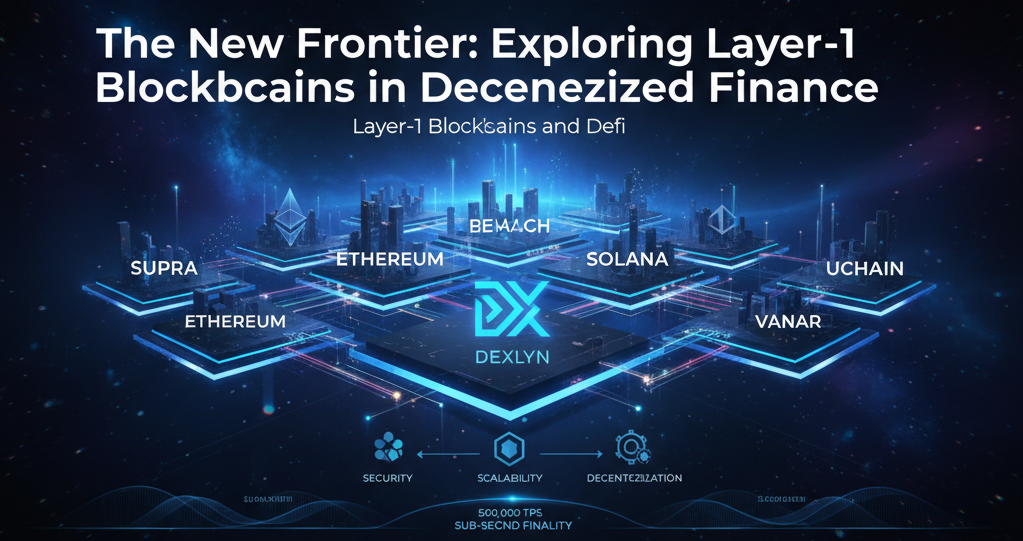
The New Frontier: Exploring Layer-1 Blockchains in Decentralized Finance

The New Frontier: Exploring Layer-1 Blockchains in Decentralized Finance

Layer-1 Blockchains and Defi Layer-1 blockchains are the first and most important segment of decentralized finance (DeFi). These blockchains are not Layer-2 solutions. They don’t improve the scalability of blockchains. They control their own consensus and security. They also offer decentralized transaction management. As DeFi evolves, the latest blockchains built on Layer-1 offer more innovations in cross-chain capabilities, scalability, and customer user-friendliness. Dexlyn built on the new-age Supra L1 blockchain offers fast, safe, and multi-chain DeFi trading, so it is a perfect example of this new-generation Layer-1 blockchain. Modern Layer-1 Blockchains Modern Layer-1 blockchains combine decentralization, security, and scalability. They also use the latest advanced consensus like Delegated Proof-of-Stake and Pos. Dexlyn on Supra Network demonstrates the capabilities of handling up to 500,000 transactions per second (TPS) and, with sub-second finality, seamless and uninterrupted trading is possible. Other new networks like UChain and Vanar use high performance with low latency to solve the cross-chain interoperability problems. They also solve the high scalability and usability challenges in traditional blockchains. Dexlyn: A Case Study of Supra L1 Innovation As the first decentralized exchange (DEX) on Supra Network, Dexlyn helps demonstrate how DeFi adoption can grow due to Layer-1 developments. Dexlyn’s cross-chain capability seamlessly offers multi-chain trading, enabling users to swap assets on different blockchains. Dexlyn platform boasts a cross-chain bridge, an IDO launchpad, and governance by DexlynDAO. All these help users have flexible control. The cross-chain bridge at the Supra blockchain forms the basis of fast, secure, and decentralized cross-chain transactions. Comparative Analysis: Dexlyn and Other Emerging L1 Blockchains While Ethereum remains a dominant player to host DeFi apps, new Layer-1 blockchains, including Dexlyn and UChain, present Ethereum alternatives given the problems Ethereum faces with high gas fees and network crowding. Other notable players, including Solana and Avalanche, also present fast closing and developer-friendly environments to compete for users. Dexlyn’s case is unique since it seamlessly integrates with Supra L1 to enable robust cross-chain, high throughput capabilities. Literally, it is the perfect and next -generation decentralized finance. Future Outlook for Layer-1 Blockchains in DeFi Layer-1 blockchains will continue to affect DeFi by addressing complex problems such as scalability, cross-chain interoperability, and user governance. New consensus mechanisms and Layer-2 and Layer-3 protocol integrations will advance innovations even more. Dexlyn’s developing roadmap, and more blockchain connection and DAO governance, will empower platforms like these to bridge the user and developer gaps. In a growing range of DeFi applications, Layer-1 blockchains will dominate to deliver secure and censorship-resistant forms of financial services. The New Frontier: Exploring Layer-1 Blockchains in Decentralized Finance was originally published in Coinmonks on Medium, where people are continuing the conversation by highlighting and responding to this story

Author: Medium