

Bitcoin-Halving
Share
Bitcoin Halving is a programmatic event occurring every 210,000 blocks that reduces BTC block rewards by 50%. This mechanism is the cornerstone of Bitcoin’s digital scarcity and deflationary model. In 2026, the market continues to analyze the supply-side impact of the 2024 cycle on institutional adoption and miner economics. Follow this tag for deep dives into price discovery, inflation rate shifts, and the long-term scarcity narratives driving the crypto market.
23 Articles
Created: 2026/02/02 18:52
Updated: 2026/02/02 18:52


Unlocking The Next Market Peak?
Author: BitcoinEthereumNews
2025/08/21
Share
Recommended by active authors


Latest Articles

The Giants Are Stumbling: Why BlockDAG’s 20-Exchange Launch is the Market’s New Safe Haven
2026/02/04 02:30

TransLogic™ Launches Secure Tube System Monitoring for Healthcare Operations
2026/02/04 02:17

Trump 'overshot so badly' that midterm election gambit may backfire spectacularly: opinion
2026/02/04 02:11
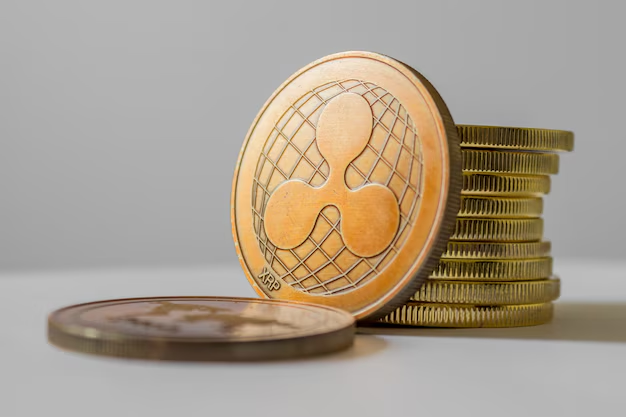
XRP Locked In DeFi Continues To Rise Across The Ecosystem – Here’s How Much
2026/02/04 02:00

Why Is Moscow Exchange to Launch Solana, XRP, and TRX Futures Now?
2026/02/04 01:45