Prediction Market Ban: US House Unveils Crucial Bill to Stop Insider Betting by Officials
BitcoinWorld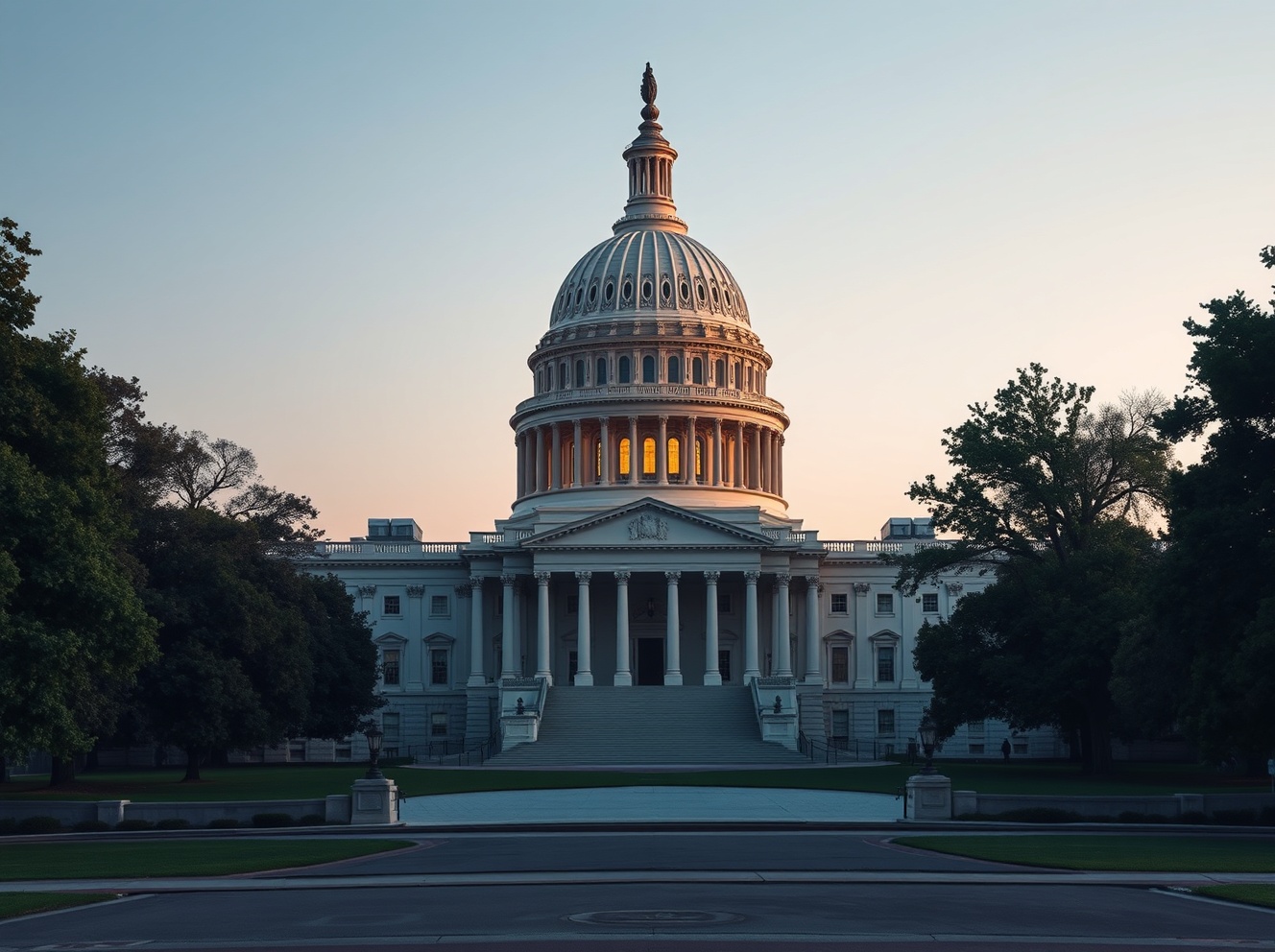
Prediction Market Ban: US House Unveils Crucial Bill to Stop Insider Betting by Officials
WASHINGTON, D.C. – In a significant move to safeguard government integrity, the U.S. House of Representatives has introduced groundbreaking legislation to ban senior public officials from betting on prediction markets. This proposed law, known as the PREDICT Act, directly targets potential insider trading by prohibiting wagers on political and policy outcomes. Consequently, this initiative addresses growing ethical concerns within the highest levels of American governance.
Prediction Market Ban Targets Federal Officials and Families
The PREDICT Act, co-sponsored by Representatives Adrian Smith (R-NE) and Nikki Budzinski (D-IL), establishes a comprehensive prohibition. Specifically, the bill covers the President, Vice President, all members of Congress, and executive branch appointees. Moreover, the legislation extends this ban to include their spouses and dependent family members. This broad scope aims to eliminate any potential for confidential information influencing financial bets.
Representative Budzinski emphasized the urgency of this legislation during its announcement. “We must ensure public officials serve the people, not personal financial gain,” she stated. Recent events have demonstrated substantial trader profits from geopolitical events. For instance, markets have reacted to potential conflicts with Iran and the duration of federal government shutdowns. Therefore, this bill seeks to close a critical ethical loophole.
Understanding Prediction Markets and Their Regulatory Gap
Prediction markets allow participants to trade contracts based on event outcomes. These platforms often function similarly to financial markets. However, they currently operate in a regulatory gray area within the United States. Unlike traditional securities, these markets lack specific federal oversight regarding insider trading by government officials.
Historically, the Commodity Futures Trading Commission (CFTC) and the Securities and Exchange Commission (SEC) have jurisdiction over similar instruments. Nevertheless, prediction markets for political events have largely existed outside strict regulatory frameworks. The following table outlines key differences:
| Market Type | Primary Regulator | Insider Trading Rules |
|---|---|---|
| Stock Markets | SEC | Comprehensive federal prohibitions |
| Commodity Futures | CFTC | Specific anti-fraud provisions |
| Prediction Markets | Limited/State | Varies by platform and jurisdiction |
This regulatory disparity creates the vulnerability the PREDICT Act aims to address. Furthermore, existing laws like the Stop Trading on Congressional Knowledge (STOCK) Act of 2012 focus on traditional securities. They do not explicitly cover prediction market contracts.
Expert Analysis on Legislative Intent and Impact
Government ethics experts have largely welcomed the proposed legislation. Dr. Eleanor Vance, a professor of political ethics at Georgetown University, provided context. “The STOCK Act was a crucial first step,” she explained. “However, technological evolution creates new avenues for potential abuse. The PREDICT Act represents a necessary modernization of congressional ethics rules.”
Legal scholars note the bill’s preventive nature. It seeks to stop problematic behavior before it becomes widespread. Currently, no public evidence suggests widespread prediction market betting by officials. Nonetheless, the absence of clear rules presents a risk. The legislation follows a principle-based approach common in ethics law.
Comparative International Approaches to Political Betting
The United States is not alone in examining this issue. Several other democracies have implemented restrictions on political betting by officials. For example, the United Kingdom strictly regulates all forms of betting by members of Parliament. Similarly, Australia prohibits gambling on events where an individual has insider knowledge.
Key international measures include:
- United Kingdom: MPs must declare all gambling interests and avoid bets on parliamentary proceedings.
- Canada: Federal ethics codes restrict activities that could create conflicts of interest, interpreted to include prediction markets.
- European Union: While varied, member states generally apply financial market insider trading rules to prediction markets.
This global context informs the U.S. legislative effort. The PREDICT Act aligns American standards with international best practices. Additionally, it addresses the unique scale and influence of U.S. political events on global markets.
Potential Challenges and Legislative Pathway Forward
The bill now enters the standard legislative process. It must pass through committee review, House vote, Senate consideration, and presidential signature. This journey presents several potential hurdles. Some critics may question the necessity of a new law without evidence of current violations. Others might raise concerns about regulatory overreach into personal financial decisions.
Proponents counter with a focus on prevention. “We build fences at the top of cliffs, not hospitals at the bottom,” Representative Smith analogized. The bipartisan sponsorship increases its chances of serious consideration. Furthermore, public trust in government remains a persistent concern across the political spectrum.
Technological advancement also drives the legislation. Prediction market platforms have grown in sophistication and accessibility. Platforms like PredictIt and Polymarket offer contracts on hundreds of political events. This ease of access increases potential risks. The bill aims to establish clear boundaries before these markets expand further.
Conclusion
The proposed prediction market ban represents a proactive step in U.S. government ethics. The PREDICT Act seeks to close a potential loophole before exploitation occurs. By prohibiting senior officials and their families from betting on political outcomes, the legislation reinforces public trust. Its bipartisan origin and alignment with international standards strengthen its foundation. Ultimately, this initiative highlights the ongoing evolution of ethical safeguards in the digital age.
FAQs
Q1: What exactly does the PREDICT Act prohibit?
The PREDICT Act prohibits the President, Vice President, members of Congress, executive branch appointees, and their immediate family members from placing bets on prediction markets regarding political events, policy outcomes, or actions they could influence.
Q2: How does this differ from the existing STOCK Act?
The STOCK Act prohibits trading stocks and other securities based on non-public congressional information. The PREDICT Act specifically targets contracts on prediction markets, which are not traditional securities and were not explicitly covered by previous legislation.
Q3: Are prediction markets currently illegal in the United States?
Not universally. Some prediction markets operate legally under CFTC no-action letters or as research platforms. Others exist in regulatory gray areas. The bill does not ban prediction markets themselves, only participation by covered officials.
Q4: What penalties would the PREDICT Act establish for violations?
The specific penalties will be determined during the legislative process. Typically, such ethics violations can result in fines, required disgorgement of profits, and potentially disciplinary action by congressional ethics committees.
Q5: What is the next step for this legislation?
The bill will be referred to relevant House committees, likely including the Committee on Ethics and the Committee on Financial Services. These committees will hold hearings, possibly amend the text, and vote on whether to send it to the full House for consideration.
This post Prediction Market Ban: US House Unveils Crucial Bill to Stop Insider Betting by Officials first appeared on BitcoinWorld.
You May Also Like

PasoPay Launches Next-Generation Global Payment System to Expand Access to International Financial Services

USD/CAD extends advance as geopolitical risks keep US Dollar supported