Is Dogecoin Still a Payment Coin? Real-World Use vs. Market Narrative
Key Takeaways
- Dogecoin's initial appeal stemmed from usability, rapid confirmations, and a culture that normalized microtransactions.
- Real-world merchant adoption exists but remains niche, with DOGE more prevalent in community transfers than mainstream commerce.
- High-profile integrations such as Newegg and the Dallas Mavericks help maintain DOGE's visibility, though typically through payment processors.
- The inflationary model of adding 5 billion DOGE annually reinforces a "spendable" narrative but doesn't automatically translate to merchant adoption.
- Key obstacles include price volatility, accounting complexity, and psychological reluctance to spend an appreciating asset.
- To rival stablecoins, DOGE requires expanded merchant infrastructure and reduced narrative-driven price volatility.
1. Introduction
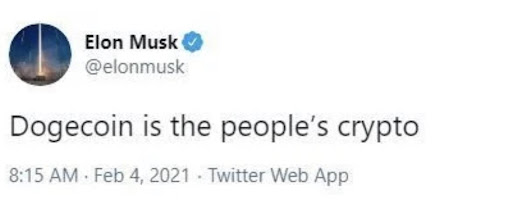
2. Dogecoin's Early Adoption: Why It Resembled a Payment Coin
2.1 Success in Microtransactions and Community Payments
- Tipping culture: DOGE became the standard "thank you" token across online communities.
2.2 Why "Spendable" Never Reached "Mainstream"
3. The Narrative Shift: Payment Coin vs. Meme Asset
3.1 Attention as a Market Driver
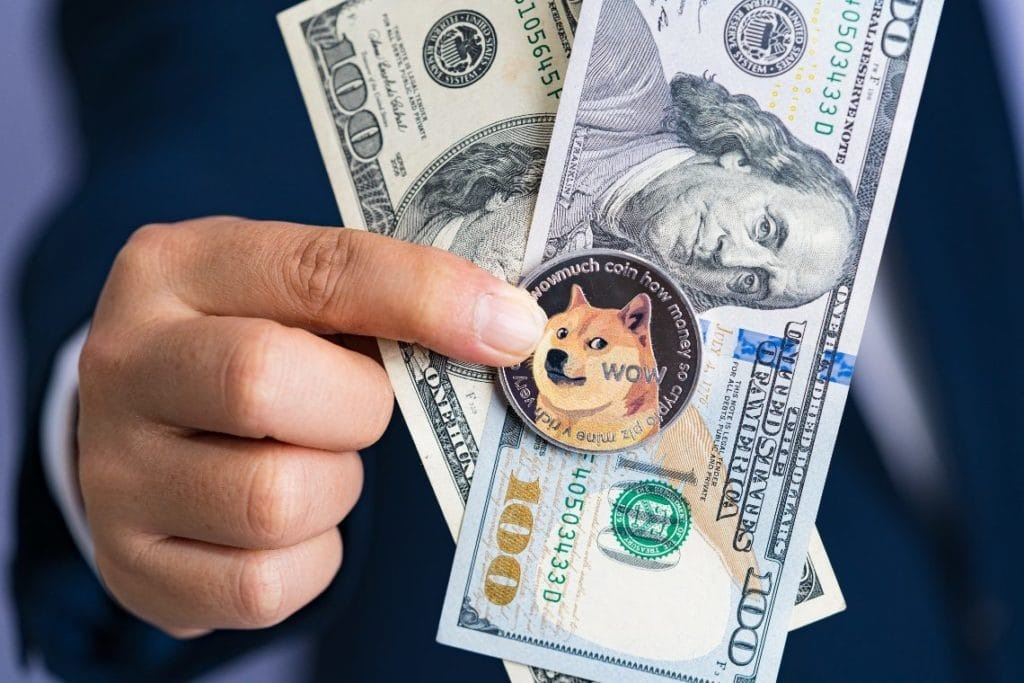
3.2 Volatility Challenges
4. Dogecoin in the Real World: Where Payments Persist
4.1 Usability Strengths
- Rapid confirmation: One-minute block times enable swift transfers. (Supply explainer)
- Minimal fees: DOGE transaction costs typically remain low relative to congested networks, facilitating micro-payments.
4.2 Merchant Adoption Examples
- Dallas Mavericks (March 2021): The franchise began accepting DOGE for tickets and merchandise through BitPay. (Official NBA/Mavs page)
- Newegg (April 2021): Newegg enabled DOGE payments via BitPay integration. (Sources: Newegg release and CoinDesk)
4.3 The Function of Payment Infrastructure
5. Competition: Why Stablecoins Dominate the Payment Space
6. Tokenomics and Spendability
7. FAQ
8. Conclusion: Is DOGE Still a Payment Coin?
Popular Articles
Is Dogecoin's Unlimited Supply a Problem? The Truth About DOGE Inflation
Dogecoin's supply model is frequently misunderstood because it diverges from the scarcity-based frameworks typically associated with digital assets. Rather than capping issuance, Dogecoin introduces a
Meta Stock Split Prediction 2026: Is Mark Zuckerberg Finally Ready?
Among the "Magnificent Seven" tech giants, Meta Platforms (formerly Facebook) stands out for a peculiar reason: it has never executed a stock split.While Apple, Nvidia, Tesla, and Alphabet have all sp
MSFT Earnings Date Q2 2026: What to Expect and How to Trade It
As January progresses, the search volume for "MSFT earnings date" is spiking. Investors and traders globally are preparing for one of the most significant market-moving events of the tech sector: Micr
Does XRP Have a Future? What Every Investor Should Know
If you're asking "does XRP have a future," you're not alone. Thousands of investors search for this answer every month, trying to understand whether this crypto is worth their money. XRP sits at a cro
Related Articles
Is Dogecoin Still a Payment Coin? Real-World Use vs. Market Narrative
The potential for Dogecoin to function as a payment coin has been debated for years. Launched in 2013 as a meme-inspired project, DOGE quickly gained traction due to its accessibility. With one-minute
Is Dogecoin's Unlimited Supply a Problem? The Truth About DOGE Inflation
Dogecoin's supply model is frequently misunderstood because it diverges from the scarcity-based frameworks typically associated with digital assets. Rather than capping issuance, Dogecoin introduces a
Meta Stock Split Prediction 2026: Is Mark Zuckerberg Finally Ready?
Among the "Magnificent Seven" tech giants, Meta Platforms (formerly Facebook) stands out for a peculiar reason: it has never executed a stock split.While Apple, Nvidia, Tesla, and Alphabet have all sp
MSFT Earnings Date Q2 2026: What to Expect and How to Trade It
As January progresses, the search volume for "MSFT earnings date" is spiking. Investors and traders globally are preparing for one of the most significant market-moving events of the tech sector: Micr