US CPI Inflation Soars: Oil Price Surge Sparks Fastest Price Climb in Nearly Two Years
BitcoinWorld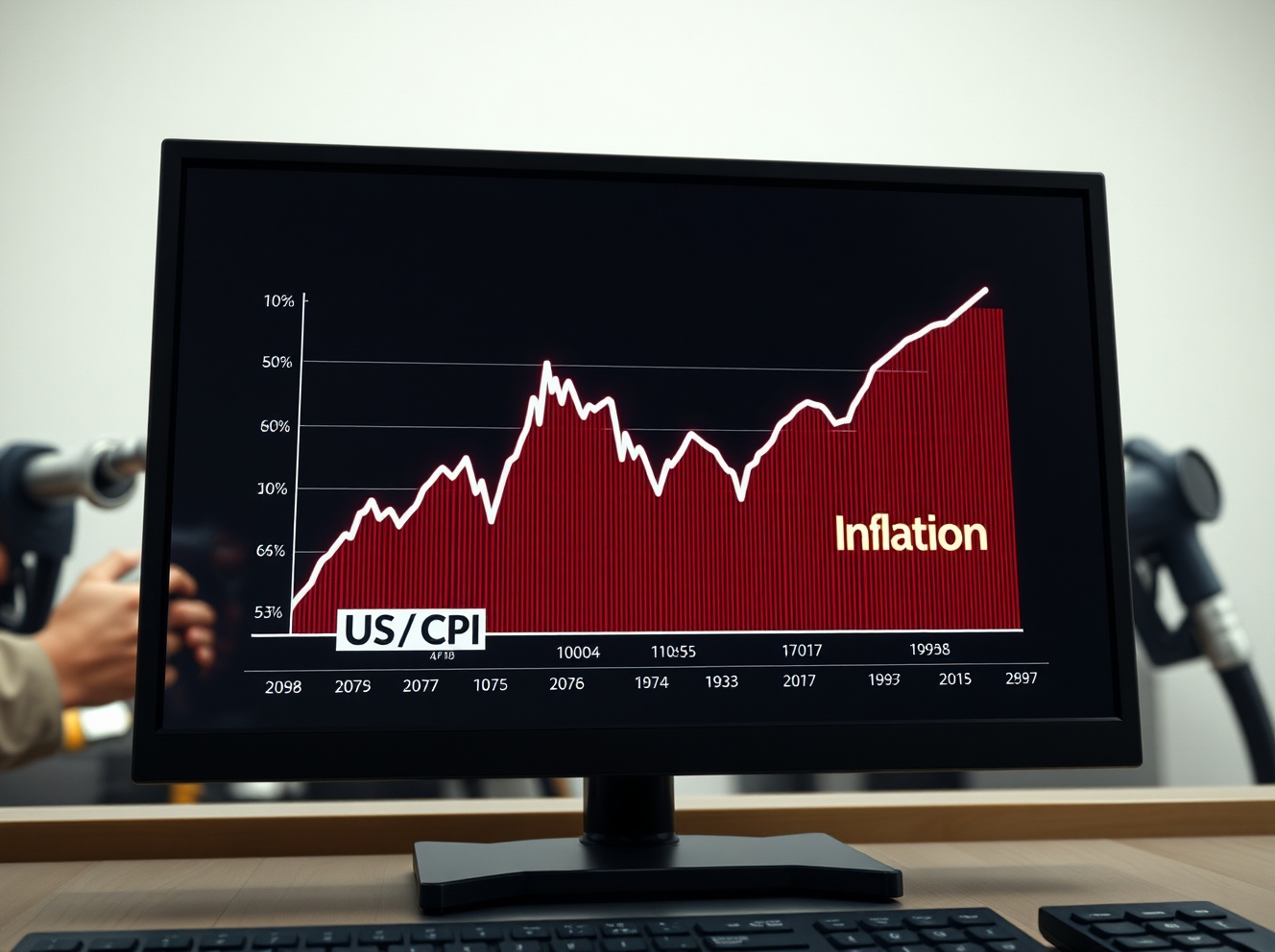
US CPI Inflation Soars: Oil Price Surge Sparks Fastest Price Climb in Nearly Two Years
WASHINGTON, D.C. — New data from the U.S. Bureau of Labor Statistics indicates the Consumer Price Index (CPI) is accelerating at its most rapid pace in nearly two years. Consequently, analysts are scrutinizing a persistent surge in global oil prices as the primary catalyst. This development presents a significant challenge for policymakers aiming to stabilize the economy. Moreover, it directly impacts household budgets across the nation.
US CPI Inflation Data Reveals Persistent Pressure
The latest CPI report shows a pronounced uptick in headline inflation. Specifically, the month-over-month increase exceeded most economists’ forecasts. Furthermore, the annual inflation rate has now breached a key psychological threshold. This marks a clear departure from the disinflationary trend observed in late 2024. Energy costs, particularly gasoline and heating oil, contributed over half of the overall increase. Therefore, the connection between crude oil markets and consumer wallets is unmistakably strong.
Several underlying factors are fueling this oil-driven inflation. First, geopolitical tensions in key producing regions have constrained supply. Second, stronger-than-expected global demand has tightened inventories. Third, refinery capacity issues have exacerbated price pressures at the pump. The following table illustrates the primary contributors to the monthly CPI increase:
| Category | Contribution to Monthly Change | Key Driver |
|---|---|---|
| Energy | +0.5% | Crude oil price surge |
| Shelter | +0.3% | Housing costs lag |
| Food | +0.2% | Transportation costs |
| Core Services | +0.4% | Wage-price dynamics |
Core CPI, which excludes volatile food and energy prices, also remained stubbornly elevated. This suggests that inflationary pressures are broadening beyond just energy. Services inflation, in particular, continues to show remarkable resilience. As a result, the Federal Reserve’s path forward appears increasingly complex.
Oil Price Surge and Its Direct Economic Impact
The recent rally in Brent and West Texas Intermediate crude benchmarks has been dramatic. Prices have climbed over 40% from their lows earlier in the year. This surge transmits through the economy via multiple channels. Transportation costs rise immediately for goods movement. Subsequently, production costs increase for energy-intensive industries. Finally, consumer discretionary spending weakens as more income goes toward fuel.
Historical context is crucial for understanding the current situation. The last time inflation accelerated at this pace was during the post-pandemic reopening period. However, the current drivers differ significantly. Previously, supply chain bottlenecks and stimulus-fueled demand were paramount. Today, the story centers on commodity-specific shocks and entrenched services inflation. Analysts refer to this as a ‘supply-push’ scenario rather than a ‘demand-pull’ one.
Expert Analysis on Federal Reserve Policy Response
Monetary policy experts are closely monitoring the Fed’s reaction function. “The central bank faces a difficult trade-off,” notes Dr. Anya Sharma, Chief Economist at the Global Policy Institute. “While the oil shock is externally driven, letting inflation expectations become unanchored poses a greater risk.” The Fed’s preferred gauge, the Personal Consumption Expenditures (PCE) index, typically runs cooler than CPI. Nevertheless, persistent CPI readings will undoubtedly influence public perception and policy debates.
Market participants have already adjusted their expectations for interest rate cuts. Futures pricing now indicates fewer reductions anticipated for 2025. Additionally, Treasury yields have moved higher across the curve. This tightening of financial conditions acts as an automatic stabilizer. However, it also increases borrowing costs for businesses and mortgages for homebuyers. The cumulative effect could dampen economic growth in subsequent quarters.
Broader Implications for Consumers and Markets
For the average American household, the implications are immediate and tangible. Higher gasoline prices act as a direct tax on consumption. Families must allocate more of their monthly budget to transportation and utilities. This leaves less available for other goods and services. Consequently, retail sectors unrelated to essentials may experience softening demand.
Key impacts on different economic actors include:
- Consumers: Eroded purchasing power and reduced savings rates.
- Businesses: Squeezed profit margins and potential investment delays.
- Investors: Increased volatility and sector rotation away from rate-sensitive stocks.
- Policymakers: Narrowed options between supporting growth and controlling prices.
The labor market remains a critical variable in this equation. Strong wage growth has so far helped consumers offset some price increases. However, if productivity fails to keep pace, unit labor costs will rise. This could embed inflation more deeply into the services sector. Therefore, the upcoming employment cost index reports will be pivotal for the inflation outlook.
Conclusion
The latest US CPI data confirms a troubling acceleration in inflation, largely propelled by a significant oil price surge. This represents the fastest pace of price increases in nearly two years. While some components may moderate, the underlying trend suggests persistent inflationary pressures. The Federal Reserve’s policy path will require careful navigation between these competing risks. Ultimately, the trajectory of global oil markets and domestic service sector inflation will determine the economic landscape for the remainder of 2025. Monitoring these US CPI inflation reports remains essential for understanding broader economic health.
FAQs
Q1: What is the Consumer Price Index (CPI) and why does it matter?
The Consumer Price Index measures the average change over time in prices paid by urban consumers for a market basket of goods and services. It is a primary gauge of inflation, influencing Federal Reserve policy, cost-of-living adjustments, and financial market expectations.
Q2: How do oil prices directly affect the CPI?
Oil prices affect CPI through several direct channels: gasoline prices at the pump, home heating oil costs, and electricity generation. They also have indirect effects by raising transportation and production costs for virtually all goods and services, which are then passed on to consumers.
Q3: What is the difference between headline CPI and core CPI?
Headline CPI includes all items in the basket, including volatile food and energy prices. Core CPI excludes these categories to provide a clearer view of underlying, persistent inflation trends. Policymakers often focus on core measures, but headline CPI significantly impacts consumer sentiment.
Q4: How might the Federal Reserve respond to this inflation data?
The Federal Reserve may maintain a restrictive monetary policy stance for longer than previously anticipated. This could mean delaying interest rate cuts or, in a more extreme scenario, considering rate hikes if inflation expectations rise significantly. Their response will balance inflation control against economic growth risks.
Q5: Can consumers expect inflation to decrease soon?
While some components like energy may see volatility, services inflation often shows more persistence. Most forecasts suggest a gradual moderation rather than a sharp decline, assuming oil prices stabilize and supply chains remain fluid. The path of inflation will depend heavily on upcoming labor market and productivity data.
This post US CPI Inflation Soars: Oil Price Surge Sparks Fastest Price Climb in Nearly Two Years first appeared on BitcoinWorld.


Ayrıca Şunları da Beğenebilirsiniz

Zcash Price Prediction Lags as Pepeto Offers Bigger Upside Before Listing

US Dollar Index Grips 100.00 as Iran War Fears and Trump Deadline Rattle Markets