US CPI Inflation Forecast: Soaring Energy Prices from Iran Conflict Set to Fuel March Acceleration
BitcoinWorld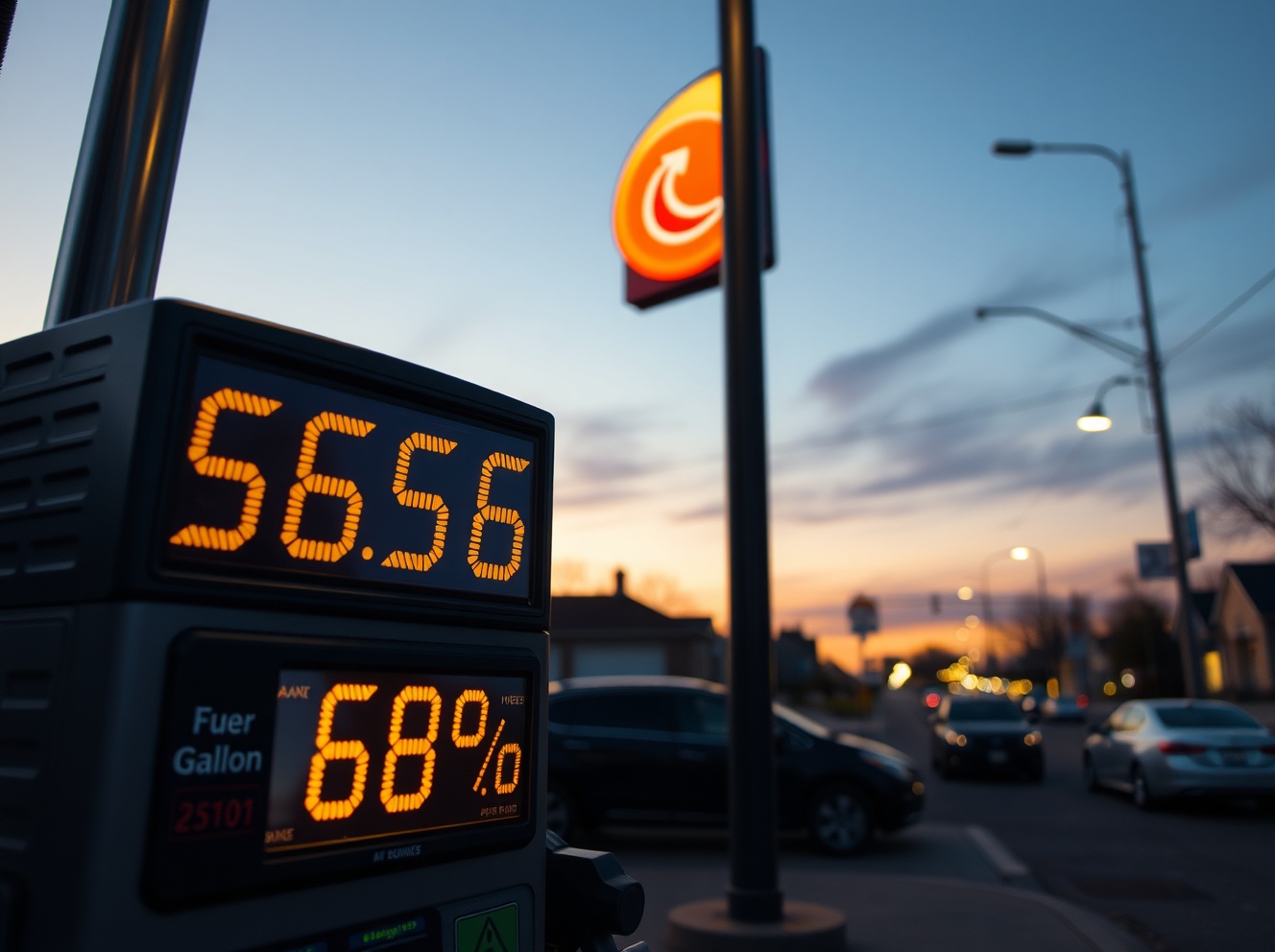
US CPI Inflation Forecast: Soaring Energy Prices from Iran Conflict Set to Fuel March Acceleration
WASHINGTON, D.C. — March 2025 — New economic forecasts indicate US CPI inflation is poised for a significant reacceleration this month, primarily driven by a sharp uptick in global energy prices following escalating military conflict involving Iran. This development presents a critical challenge for the Federal Reserve’s ongoing efforts to stabilize prices and could directly impact household budgets across the nation.
US CPI Inflation Faces Upward Pressure from Energy Markets
Analysts widely anticipate the Bureau of Labor Statistics’ upcoming Consumer Price Index report for March 2025 will show a notable increase. The core driver of this projected surge is the energy component, specifically gasoline and utility costs. Consequently, geopolitical instability in the Middle East has triggered a supply shock in oil markets. Furthermore, benchmark crude prices have climbed over 25% since the onset of hostilities, according to data from commodity exchanges. This price shock transmits directly to consumers through higher costs at the pump and for home heating.
Market reactions have been swift and pronounced. For instance, the national average price for a gallon of regular gasoline has increased by $0.85 in the past three weeks. This rapid rise places immediate strain on consumer discretionary spending. Additionally, futures contracts for West Texas Intermediate crude reflect sustained trader anxiety about supply disruptions.
The Geopolitical Catalyst: Iran Conflict and Global Oil Flows
The military engagement involving Iran, a major oil producer, has directly constricted global supply. Key shipping lanes, including the Strait of Hormuz, have experienced intermittent disruptions. Major energy agencies report a decline of approximately 1.5 million barrels per day in exports from the region. Therefore, other oil-producing nations are attempting to offset the shortfall, but logistical constraints limit immediate impact.
Expert Analysis on the Supply Shock
Dr. Anya Sharma, Chief Economist at the Global Economic Institute, provided context on the situation. “Historical precedent shows that oil supply shocks of this magnitude typically add 0.4 to 0.7 percentage points to headline inflation over a quarter,” Sharma explained. “The March CPI will capture the initial, most acute phase of this price pass-through. The critical question for the Federal Reserve is whether this becomes embedded in longer-term inflation expectations.”
This analysis aligns with models from several major financial institutions. For example, a recent research note from a leading bank projected a March headline CPI increase of 0.5% month-over-month, with energy contributing over 60% of that rise. The note also highlighted risks to the core CPI index, which excludes food and energy, as transportation and manufacturing costs rise.
Broader Economic Impacts and the Federal Reserve’s Dilemma
The reacceleration of inflation complicates the Federal Reserve’s monetary policy path. Policymakers have recently signaled a cautious approach toward interest rate cuts. Persistent price increases in a broad basket of goods could force a more prolonged period of restrictive policy. Higher borrowing costs for mortgages, auto loans, and business investments are a potential result.
Consumers will feel the effects beyond the gas station. Airlines have already announced fuel surcharge increases. Trucking and shipping costs are rising, which will pressure prices for delivered goods. The following table illustrates the projected contribution of key categories to the March CPI move:
| CPI Category | Projected Monthly Change | Primary Driver |
|---|---|---|
| Energy | +5.2% | Crude oil price spike |
| Transportation Services | +0.8% | Higher fuel surcharges |
| Food at Home | +0.3% | Increased transportation costs |
| Shelter | +0.4% | Continued lagged effect |
Market participants are closely watching inflation expectations. Surveys from the New York Fed show a recent uptick in household expectations for near-term price growth. Anchoring these expectations remains a top priority for the central bank to prevent a wage-price spiral.
Historical Context and Potential Mitigating Factors
The current situation bears similarities to previous oil shocks but within a different economic structure. The US is now a net energy exporter, providing some insulation. Strategic Petroleum Reserve levels offer another tool for administration intervention. However, globalized supply chains mean US consumers remain exposed to international price volatility.
Several factors could moderate the inflationary impact. First, a milder-than-expected winter has reduced heating oil demand. Second, growth in electric vehicle adoption slightly dampens gasoline demand sensitivity. Third, robust domestic oil production can ramp up to fill some gaps, albeit with a time lag. The overall economic growth trajectory will also influence how deeply energy costs embed in the broader price ecosystem.
Conclusion
The forecast for US CPI inflation in March 2025 points to a clear reacceleration, fueled predominantly by soaring energy prices linked to conflict involving Iran. This development poses a significant test for monetary policy and threatens to squeeze consumer purchasing power. While domestic energy production provides a buffer, the global nature of oil markets ensures American consumers will feel the pinch. The forthcoming data will be crucial for shaping the Federal Reserve’s policy decisions in the second quarter and beyond, with implications for interest rates and economic growth throughout the year.
FAQs
Q1: What is the main reason CPI inflation is expected to rise in March 2025?
The primary driver is a sharp increase in energy prices, specifically gasoline and oil, resulting from supply disruptions due to military conflict involving Iran, a major oil producer.
Q2: How does higher energy prices affect overall inflation beyond just gas costs?
Higher energy costs increase transportation and production expenses for almost all goods and services. This leads to higher prices for food, consumer products, and utilities, contributing to broader inflationary pressure.
Q3: What can the Federal Reserve do in response to this type of inflation?
The Federal Reserve faces a dilemma. Inflation driven by a supply shock is difficult to combat with interest rate hikes, which manage demand. The Fed may maintain higher rates for longer to prevent rising energy costs from boosting long-term inflation expectations.
Q4: Does the US being a net energy exporter help in this situation?
Yes, it provides some insulation. Higher global prices benefit domestic producers and can stimulate more US output. However, US consumer prices are still largely set by global benchmark prices, so the relief is partial and not immediate.
Q5: How quickly do changes in oil prices show up in the CPI data?
Changes in spot oil prices translate to pump prices within weeks. The Consumer Price Index, a monthly measure, captures this pass-through with a short lag, meaning the March report will likely reflect most of the recent sharp increase.
This post US CPI Inflation Forecast: Soaring Energy Prices from Iran Conflict Set to Fuel March Acceleration first appeared on BitcoinWorld.


Ayrıca Şunları da Beğenebilirsiniz

USD: Inflation focus into CPI release – TD Securities

OKX Ventures and HashKey Capital Join CAEX as Strategic Partners to Advance Vietnam’s Regulated Crypto Asset Trading Pilot