In today’s fast-paced digital economy, financial transactions are no longer limited to cash or paper-based methods. One of the most reliable and widely used methods for moving money between accounts is Electronic Fund Transfer. It has transformed the way individuals, businesses, and financial institutions handle payments, making transactions faster, safer, and more efficient.
What is Electronic Fund Transfer?
Electronic Fund Transfer refers to the digital movement of money from one bank account to another without the use of physical cash or paper checks. This process is carried out through computer-based systems, allowing users to send or receive funds instantly or within a short processing time.
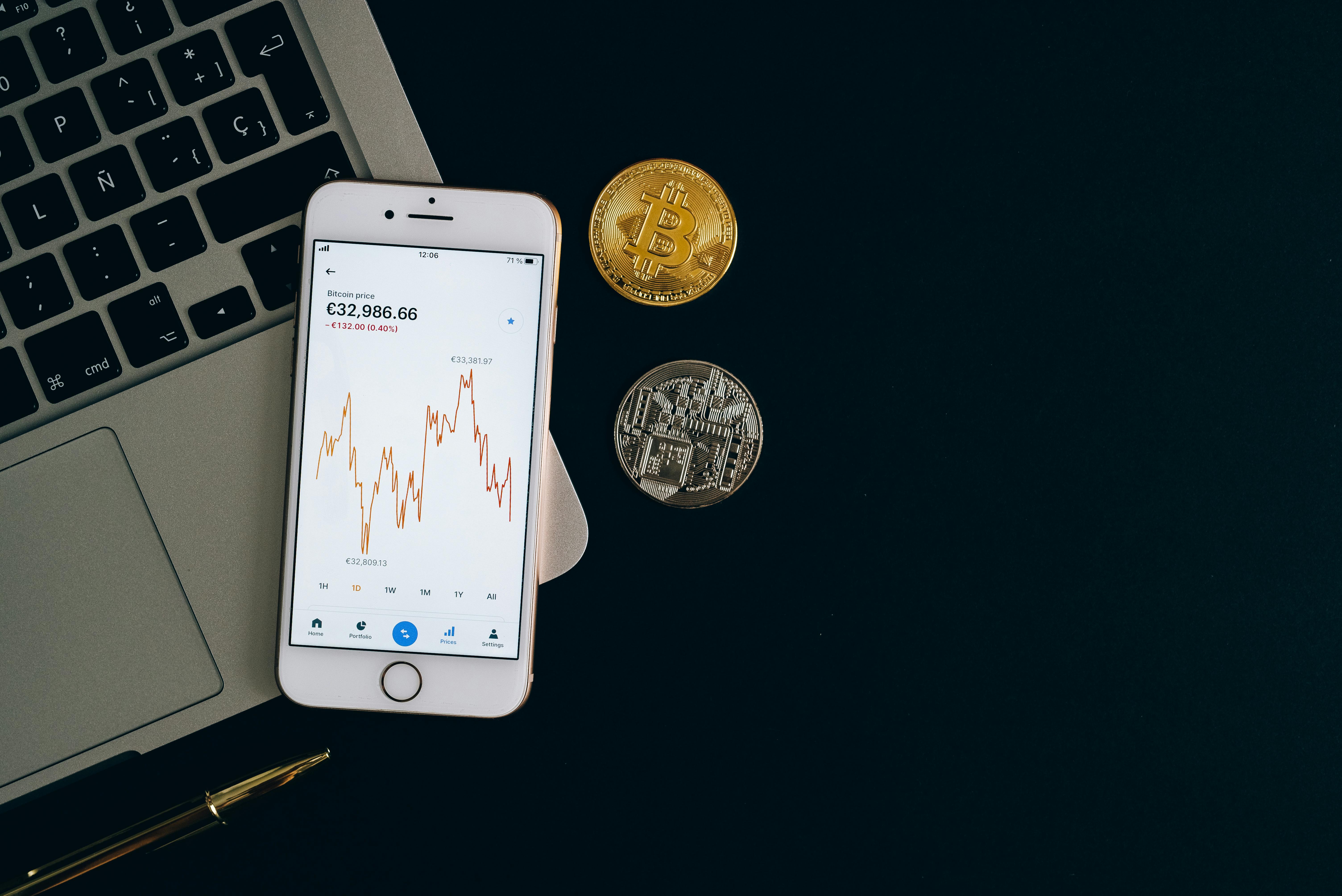
Common examples include online banking transfers, ATM withdrawals, direct deposits, and mobile wallet payments. With the increasing adoption of digital banking, Electronic Fund Transfer has become an essential part of everyday financial activities.
How Does It Work?
The process behind Electronic Fund Transfer is simple but highly secure. When a transaction is initiated, the sender’s bank communicates with the receiver’s bank through a secure network. The system verifies account details, checks available balance, and then completes the transfer.
Encryption and authentication technologies ensure that sensitive financial data remains protected during the entire process. Most banks also use multi-factor authentication to reduce fraud risks and unauthorized access.
Types of Electronic Fund Transfers
There are several types of digital transfer methods available today, each serving different financial needs:
- Direct Deposit: Employers use this method to deposit salaries directly into employees’ bank accounts.
- Wire Transfers: Often used for high-value or international transactions.
- ACH Transfers: Common for recurring payments like bills and subscriptions.
- Online Banking Transfers: Allow users to move money between accounts within seconds.
- Mobile Payments: Enable transactions using smartphones and digital wallets.
Each of these methods falls under the broader category of Electronic Fund Transfer, offering flexibility and convenience for both personal and business use.
Benefits of Electronic Fund Transfer
One of the main reasons people prefer digital payments is convenience. You can send or receive money anytime without visiting a bank branch. However, the advantages go far beyond ease of use.
- Speed: Transactions are processed quickly, often within minutes or hours.
- Security: Advanced encryption protects financial data.
- Cost-Effective: Reduces the need for paper checks and manual processing.
- Accessibility: Available 24/7 through online and mobile platforms.
- Record Keeping: Digital records make it easier to track payments and manage finances.
Businesses especially benefit from Electronic Fund Transfer systems because they streamline payroll, vendor payments, and customer transactions efficiently.
Security Measures and Risks
Although digital transactions are highly secure, users should still take precautions. Cybersecurity threats such as phishing, identity theft, and unauthorized access can occur if proper safety measures are not followed.
Banks and financial institutions use multiple layers of protection, including encryption, firewalls, and fraud detection systems. Users are encouraged to use strong passwords, avoid public Wi-Fi for banking, and regularly monitor account activity.
By staying alert and using secure platforms, the risks associated with Electronic Fund Transfer can be minimized effectively.
The Future of Digital Transactions
As technology continues to evolve, the future of banking is becoming increasingly digital. Innovations such as blockchain, artificial intelligence, and real-time payment systems are making transactions even faster and more secure.
In the coming years, Electronic Fund Transfer systems are expected to become more advanced, offering instant global payments, lower transaction fees, and enhanced user experiences. This shift will further reduce dependence on traditional banking methods.
Conclusion
Digital banking has revolutionized the financial world, and Electronic Fund Transfer stands at the center of this transformation. It offers speed, security, and convenience that traditional payment methods cannot match. Whether for personal use or business operations, it continues to play a crucial role in modern financial systems.
As more people adopt digital payment solutions, understanding and using Electronic Fund Transfer effectively will become increasingly important in managing money in a smart and secure way.