


Formative Beginnings
Elon Musk's journey to becoming one of the most influential entrepreneurs of the 21st century began with a blend of technical curiosity and entrepreneurial ambition that emerged at an early age. At just 12 years old, Musk created a video game called Blastar, which he sold for $500—a modest sum, but a significant milestone for a young programmer. This early experience demonstrated his ability to merge technical skill with a commercial mindset, a trait that would define his career. As a teenager, Musk migrated from South Africa to Canada, seeking greater opportunities and a more open environment for innovation. His education at the University of Pennsylvania further honed his technical and business acumen, where he earned degrees in both physics and economics. During college, Musk and his brother Kimbal ran an impromptu nightclub to cover their expenses, an experience that taught them the realities of managing a business, from marketing to operations. These formative years instilled in Musk a resilience and adaptability that would prove invaluable as he navigated the rapidly evolving landscape of the internet revolution in the mid-1990s.
Rise to Wealth: The Internet Boom Years
Musk's first major business success came with the founding of Zip2 in 1995, an online city guide that provided maps, directories, and business listings for newspapers. At a time when the internet was still in its infancy, Zip2 offered a practical solution for traditional media companies looking to transition into the digital age. The company's innovative approach quickly attracted attention, and in 1999, Compaq acquired Zip2 for $307 million, netting Musk approximately $22 million at the age of 27. Rather than resting on his laurels, Musk immediately reinvested his earnings into his next venture, X.com, an online payment company. X.com's vision was to create a seamless digital payment platform, a concept that was ahead of its time. In 2000, X.com merged with Confinity to form PayPal, which rapidly became the leading online payment service. When eBay acquired PayPal in 2002 for $1.5 billion, Musk, as the principal shareholder, received around $180 million. This period marked Musk's transformation from a promising entrepreneur to a major player in the tech industry, setting the stage for his future ventures in space exploration, electric vehicles, and beyond.
Achieving Millionaire Status: A Comparative Perspective
Musk's financial breakthrough at the age of 27 places him among the ranks of other technology pioneers such as Jeff Bezos, Mark Zuckerberg, Larry Page, and Bill Gates. While each of these entrepreneurs achieved wealth through different paths, Musk's approach stands out for its methodical reinvestment and focus on emerging technology trends. Unlike some of his peers who may have diversified their investments or pursued more traditional business models, Musk consistently channeled his resources into ventures that pushed the boundaries of what was possible. His ability to identify and capitalize on practical applications of new technologies—such as online city guides and digital payments—demonstrated a keen understanding of market needs. Moreover, Musk's talent for building effective teams and maintaining significant equity positions throughout his ventures ensured that he retained control and reaped the rewards of his innovations. This strategic approach not only accelerated his rise to millionaire status but also laid the foundation for his continued success in subsequent industries.
Strategic Insights for Tech Entrepreneurs
Musk's early career offers a wealth of lessons for aspiring technology entrepreneurs. One of the most striking aspects of his journey is his unwavering vision despite the numerous challenges he faced. Whether it was running a nightclub to cover college expenses or navigating the complexities of merging two companies to create PayPal, Musk demonstrated an exceptional work ethic and sharp focus. His ability to anticipate technological shifts and adapt to changing market conditions was crucial to his success. Musk's approach to funding was equally strategic; he consistently reinvested his earnings into new ventures, ensuring that he remained at the forefront of innovation. His talent for team building and his determination to maintain control through difficult periods further underscore his entrepreneurial acumen. For tech entrepreneurs looking to emulate Musk's success, the key takeaway is the importance of balancing innovative thinking with practical business considerations. By focusing on developing useful technologies, strategically managing resources, and building strong teams, entrepreneurs can position themselves for long-term success in the ever-evolving tech landscape.
Musk's journey from a young programmer to a tech mogul is a testament to the power of vision, resilience, and strategic thinking. His early experiences and business successes provide valuable insights for anyone looking to make their mark in the world of technology and entrepreneurship.
Описание: Криптопульс использует возможности ИИ и открытые источники, чтобы мгновенно сообщать вам о самых актуальных трендах токенов. За экспертной аналитикой и подробной информацией перейдите на MEXC Обучение.
Статьи, размещенные на данной странице, получены из открытых источников и предоставлены исключительно в информационных целях. Они не обязательно отражают точку зрения MEXC. Все права принадлежат их первоначальным авторам. Если вы считаете, что какой-либо материал нарушает права третьих лиц, пожалуйста, свяжитесь с нами по адресу [email protected] для его оперативного удаления.
MEXC не гарантирует точность, полноту или актуальность представленного контента и не несет ответственности за любые действия, предпринятые на основе предоставленной информации. Содержимое не является финансовой, юридической или иной профессиональной консультацией и не должно рассматриваться как рекомендация или одобрение со стороны MEXC.
Последние новости о Dogelon Mars
Подробнее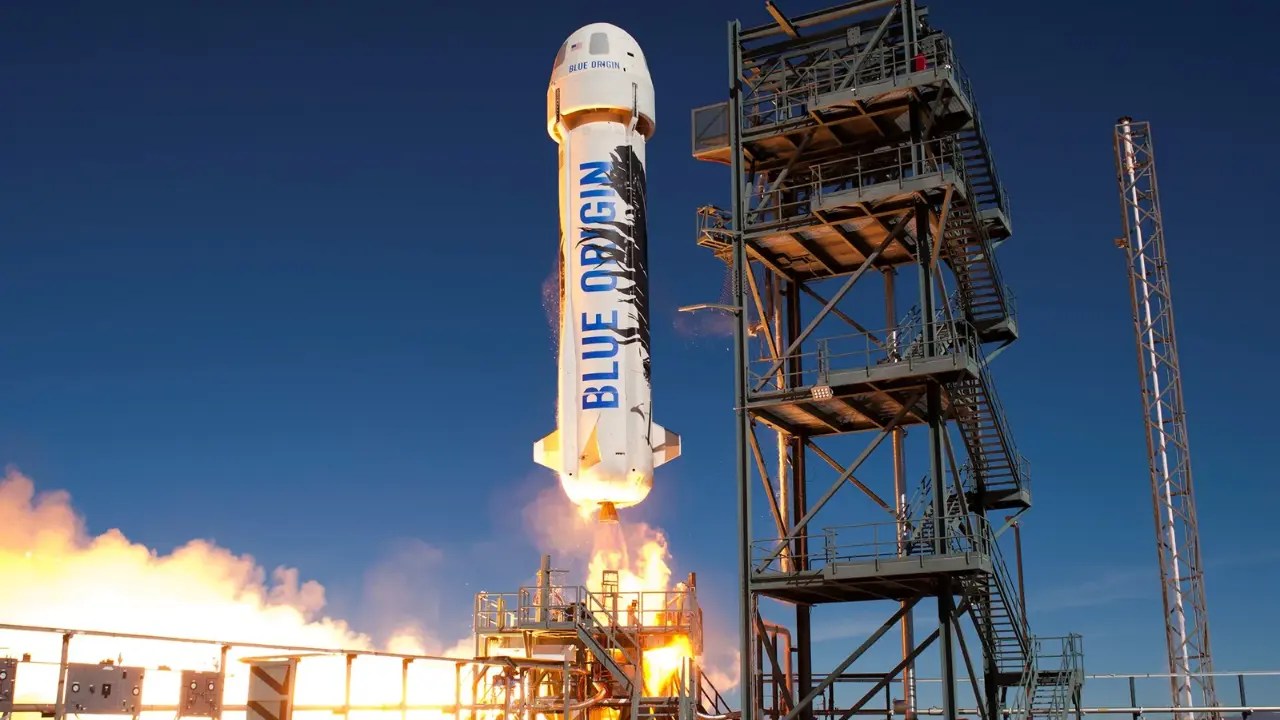
Blue Origin Джеффа Безоса присоединяется к гонке за управление космическими центрами обработки данных

Blue Origin и SpaceX соревнуются за космический ИИ
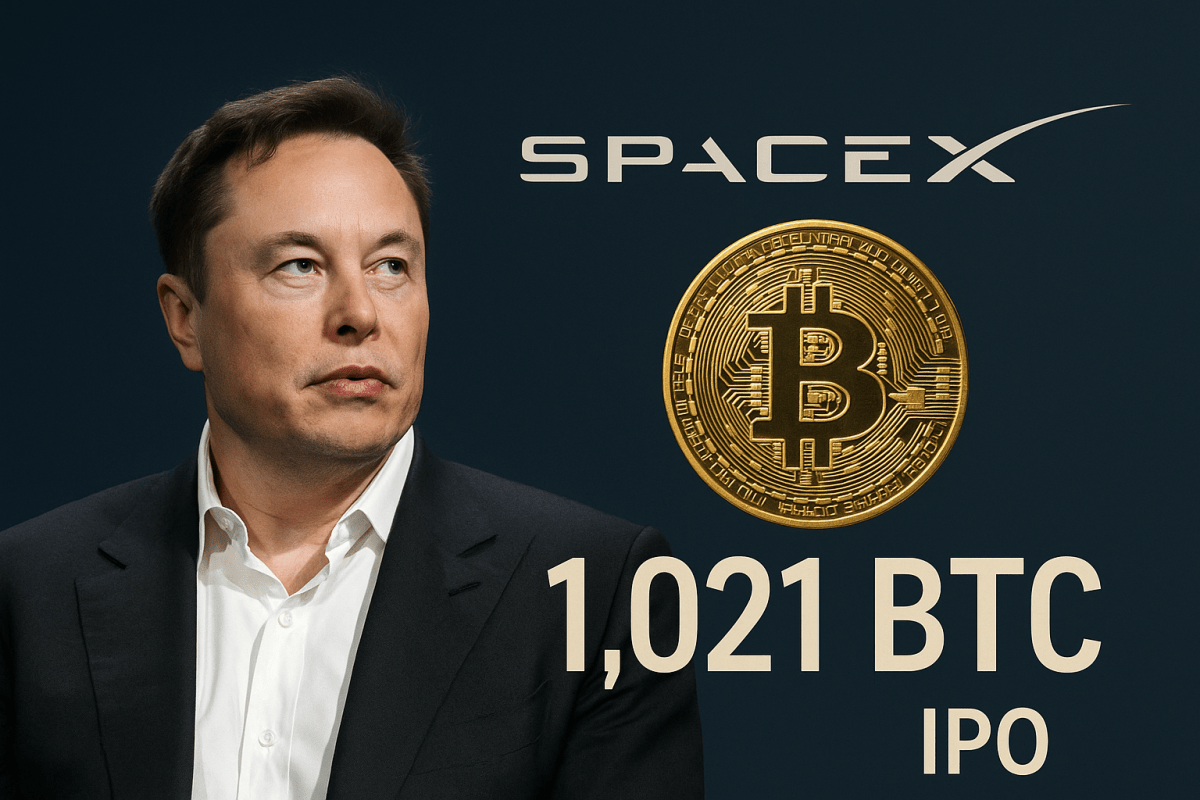
SpaceX Илона Маска перемещает 1 021 BTC перед возможным IPO
В тренде
Трендовые криптовалюты, которые в настоящее время привлекают значительное внимание рынка
Цены на криптовалюту
Криптовалюты с наибольшим объемом торгов
Недавно добавленные
Криптовалюты недавно внесенные в листинг и доступные для торговли