Middle East Energy Strikes Trigger Alarming Surge in Oil and Gas Prices as Dollar Holds Steady
BitcoinWorld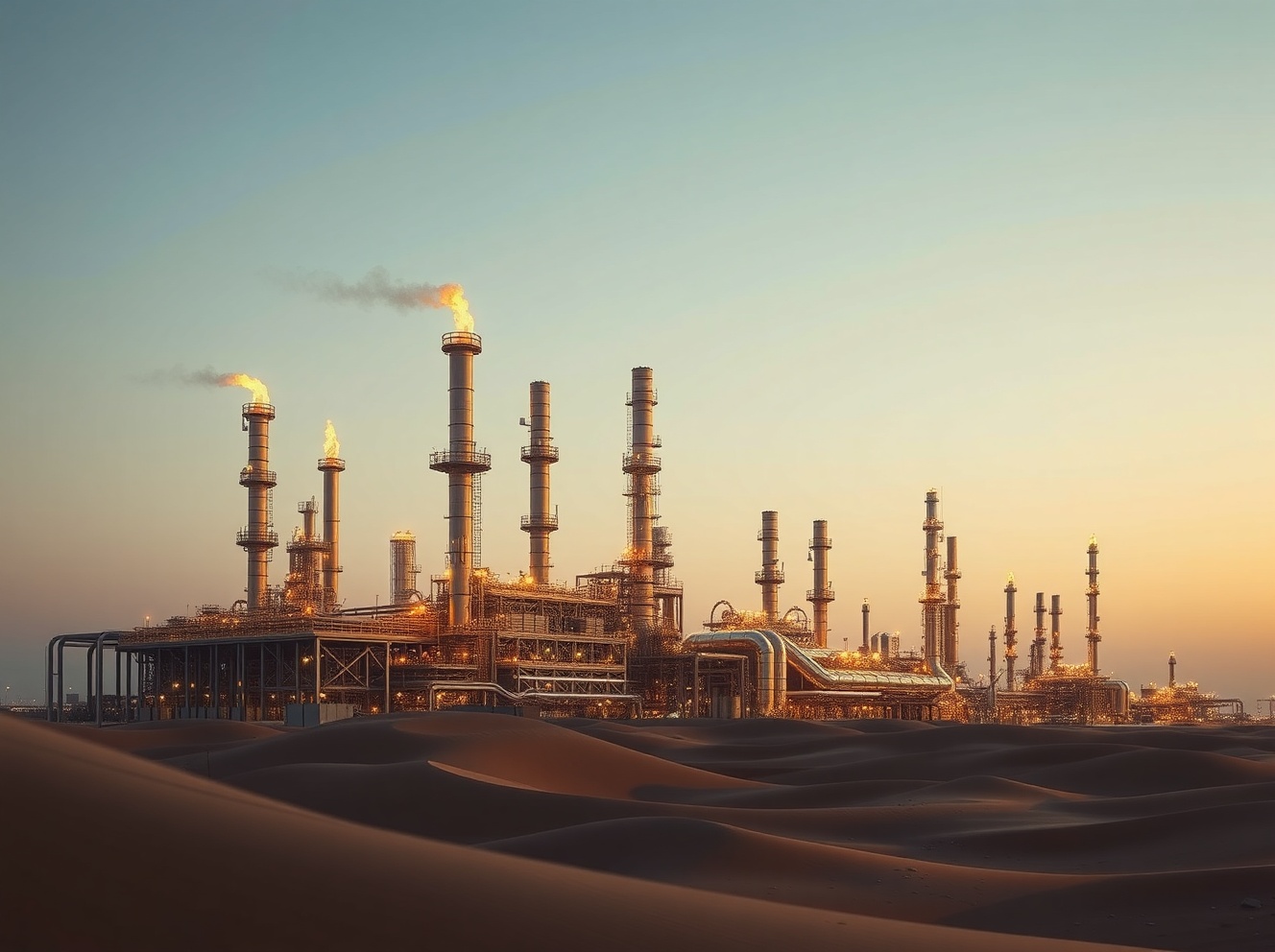
Middle East Energy Strikes Trigger Alarming Surge in Oil and Gas Prices as Dollar Holds Steady
Global financial markets witnessed a stark divergence on Thursday, March 20, 2025, as the U.S. dollar held remarkably steady against a basket of major currencies despite a dramatic surge in crude oil and natural gas prices following targeted strikes on key energy infrastructure in the Middle East.
Middle East Energy Strikes Disrupt Global Supply Chains
Reports confirmed drone and missile strikes on multiple critical energy export terminals and processing facilities across the Persian Gulf region early Thursday. Consequently, these attacks immediately disrupted operations. Specifically, analysts estimate a sudden removal of over 1.5 million barrels per day of crude oil from the global market. Furthermore, liquefied natural gas (LNG) shipments faced significant delays. This supply shock triggered an instant and sharp reaction in commodity markets.
Brent crude futures, the global benchmark, soared by over 8% in early trading. Simultaneously, U.S. West Texas Intermediate (WTI) crude followed closely with a 7.5% gain. Meanwhile, European natural gas prices spiked by nearly 15%. Market participants rapidly priced in heightened geopolitical risk premiums. The immediate concern centered on sustained supply constraints. Historically, such disruptions in this volatile region have led to prolonged price volatility.
Dollar Stability Defies Conventional Market Logic
Typically, oil price shocks trigger dollar weakness due to the U.S.’s status as a net energy importer. However, the dollar index (DXY) exhibited unusual resilience. It traded within a narrow band, showing minimal reaction to the energy tumult. Several factors contributed to this atypical stability. First, the Federal Reserve’s recent hawkish stance on interest rates provided underlying support. Second, a concurrent flight to quality benefited traditional safe-haven assets like the dollar and Treasury bonds.
Third, market speculation suggests currency interventions by major central banks may have occurred to prevent excessive volatility. The table below illustrates the key market movements:
| Asset | Price Change | Key Driver |
|---|---|---|
| Brent Crude Oil | +8.2% | Supply Disruption |
| U.S. Natural Gas | +12.1% | Export Fears |
| U.S. Dollar Index (DXY) | +0.3% | Safe-Haven Flow |
| Euro (EUR/USD) | -0.4% | Energy Dependency Concerns |
Expert Analysis on Decoupled Markets
Dr. Anya Sharma, Chief Commodity Strategist at Global Markets Insight, provided context. “We are observing a decoupling of traditional correlations,” she explained. “The dollar’s strength isn’t about oil today; it’s about relative economic security and interest rate differentials. The market is betting the Fed will prioritize inflation control, even if energy costs rise.” This analysis highlights a complex financial landscape where multiple macro forces interact.
Global Economic Impact and Inflationary Pressures
The immediate surge in energy prices poses a direct threat to global disinflation efforts. Central banks worldwide now face a renewed challenge. Higher transportation and production costs will inevitably filter through to consumer prices. Economists warn of a potential second-wave inflation effect, particularly in energy-dependent regions like Europe and emerging Asia.
Key impacts include:
- Transportation Costs: Airline and shipping freight rates are projected to rise sharply.
- Consumer Goods: Prices for plastics, fertilizers, and general merchandise face upward pressure.
- Corporate Earnings: Energy-intensive industries will see margin compression, while energy producers benefit.
- Growth Forecasts: Global GDP growth estimates for Q2 2025 are under review, with potential downgrades.
Furthermore, strategic petroleum reserves (SPRs) may see coordinated releases. The International Energy Agency (IEA) has already convened an emergency meeting. Their goal is to ensure market stability and prevent panic buying.
Historical Context and Market Memory
Current events evoke memories of past oil crises. However, the global energy landscape has transformed. The rise of U.S. shale production provides a crucial buffer. America’s status as a net exporter alters the traditional dynamic. Additionally, renewable energy capacity has grown substantially. This growth offers some, albeit limited, insulation from fossil fuel volatility.
Nevertheless, the Middle East retains its pivotal role. The region still accounts for nearly one-third of global seaborne oil trade. Any prolonged disruption there creates unavoidable global ripple effects. Market technicians note that Brent crude has broken above key resistance levels. This breakout suggests the potential for further gains if the situation deteriorates.
Conclusion
The Middle East energy strikes have forcefully reminded markets of geopolitical fragility. They triggered a significant surge in oil and gas prices, reigniting inflationary concerns. Remarkably, the U.S. dollar held steady, supported by monetary policy and safe-haven flows. The coming days will test the resilience of global supply chains and central bank resolve. Market stability now hinges on the duration of the supply disruption and the strategic response from major economies. Investors must navigate a landscape where energy security and financial stability are once again at the forefront.
FAQs
Q1: Why did the dollar stay steady while oil prices surged?
The dollar’s stability was driven by its safe-haven status during geopolitical uncertainty and expectations that the U.S. Federal Reserve will maintain higher interest rates to combat potential inflation, outweighing its traditional negative correlation with oil.
Q2: Which specific energy sites were targeted in the Middle East?
Reports indicate strikes affected key export terminals and processing facilities in the Persian Gulf region, including critical infrastructure for crude oil loading and natural gas liquefaction, though official confirmations of exact locations are pending.
Q3: How long could the oil and gas price surge last?
The duration depends entirely on the speed of infrastructure repair and the potential for further conflict. Historical analogs suggest initial spikes can last weeks, but prices may stabilize if strategic reserves are released and alternative supply routes are secured.
Q4: What does this mean for global inflation and interest rates?
Central banks face a renewed challenge. Higher energy costs directly feed into broader inflation, potentially delaying or reversing interest rate cuts. Policymakers must balance growth concerns with inflation mandates in a more volatile environment.
Q5: Are other asset classes affected by this event?
Yes, equity markets, particularly transportation and industrial sectors, are under pressure. Conversely, energy sector stocks and shares of alternative energy companies are seeing gains. Bond markets are also reacting to shifting inflation expectations.
This post Middle East Energy Strikes Trigger Alarming Surge in Oil and Gas Prices as Dollar Holds Steady first appeared on BitcoinWorld.
You May Also Like

OpenClaw AI Agent Takes China by Storm: Understanding the Viral Phenomenon

Federal Reserve Lowers Interest Rates Again