There Is A Loophole In The GENIUS Act That Could “Devastate” Small Banks: Alabama Senator
Alabama Senator Keith Kelley warns the GENIUS Act could drain deposits from small banks and put rural economies at risk.
Alabama State Senator Keith Kelley is warning that the recently passed GENIUS Act could harm small banks across rural America.
He believes that the law, while created to regulate stablecoins, may instead weaken trusted community lenders that keep towns and farming regions afloat.
How the GENIUS Act Works
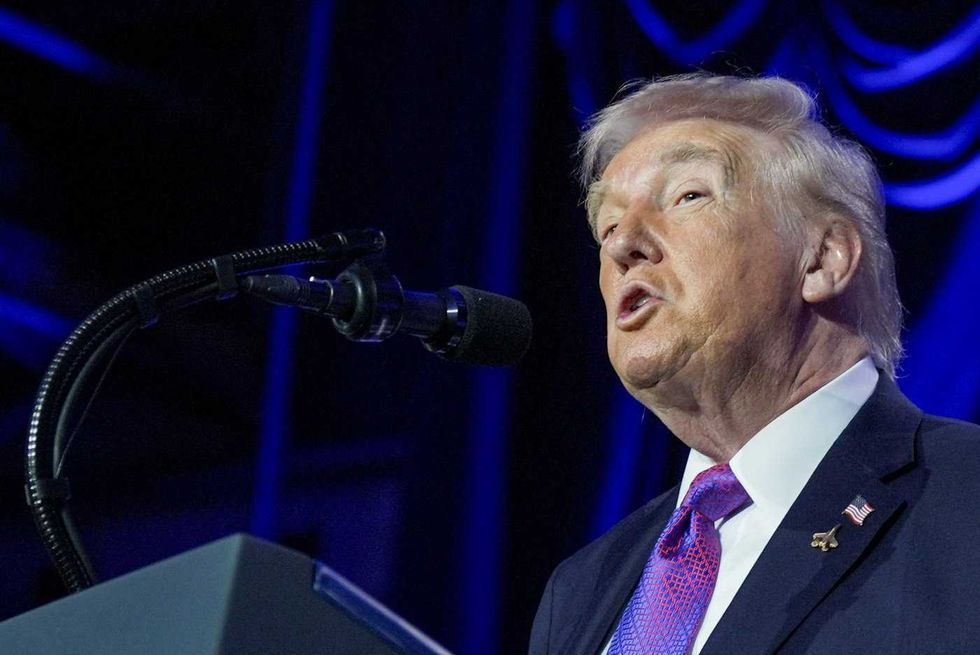
The GENIUS Act, which was signed by President Donald Trump on July 18, creates the first federal framework for stablecoins.
The new bill requires issuers to hold full reserves, submit audits and provide ongoing reports. However, it also blocks them from paying direct interest on coins.
Regulators now have up to 18 months to finalize rules before the law takes effect. The Treasury has already started gathering feedback on how to enforce the Act, including measures to stop illicit finance.
Supporters argue that the GENIUS Act gives clarity to the fast-growing stablecoin industry. They say that it strengthens safeguards by demanding reserves and banning risky lending practices.
Why Small Banks Feel Threatened
Unlike large national banks, community banks depend heavily on deposits from local residents. They recycle those deposits into loans for farms, small shops and local families.
Senator Kelley stresses that even a small outflow of funds could cut credit to rural areas where margins are thin and seasonal cash flow is important.
The law states that stablecoin issuers cannot pay interest directly. Yet it does not clearly prevent them from partnering with exchanges or affiliates that offer rewards. Critics say that this creates a path for crypto platforms to act like banks, while escaping strict oversight.
Kelley calls this “regulatory arbitrage.”
He argues it puts small lenders at a disadvantage while exposing families to risky platforms that lack insurance protections like the FDIC.
Ripple Effects on Rural Economies
If community banks lose deposits, the fallout could affect far more than lenders. Farmers may struggle to buy seed or equipment. Local entrepreneurs could delay expansions or abandon projects.
Families may face tighter access to credit.
Kelley warns that the collapse of a community bank would be more than a financial event. It could cripple the local businesses and farms that form the backbone of rural Alabama.
Crypto Risks Add to the Worry
Community banks operate under strict rules and carry FDIC insurance covering up to $250,000 per depositor.
Crypto platforms offer no such protection. In recent years, several high-profile crypto firms have collapsed, too, leaving customers with massive losses.
Kelley fears that rural residents could be lured into moving money from safe and insured banks into platforms that promise attractive rewards, but carry higher risks. He says this is not innovation but a direct threat to the financial security of American families.
Broader Opposition to the GENIUS Act
It is not only Alabama raising alarms. Europe’s largest asset manager, Amundi, has also warned that U.S. stablecoin policy could destabilise international payments. The firm argues that stablecoins may act like “quasi-banks” without facing equivalent rules. This could put traditional lenders at a disadvantage worldwide.
The Bank Policy Institute estimated in August that the GENIUS Act could drive as much as $6.6 trillion in deposits away from U.S. banks. Such an outflow would limit the credit supply that keeps communities running.
Timothy Massad, former chair of the Commodity Futures Trading Commission, noted that the law allows foreign stablecoin issuers to operate in the U.S. if they face “comparable” oversight.
Since “comparable” is undefined, Massad argues this leaves U.S. issuers subject to stricter rules, while foreign competitors gain an advantage.
Senator Kelley’s Call for Action
Kelley is urging Congress to revisit the GENIUS Act and close the loopholes. He says lawmakers must protect rural economies by ensuring crypto platforms cannot sidestep banking rules.
Families, farmers and small businesses, he insists, deserve reliable financial partners that can be trusted with their deposits.
He warns that allowing unregulated platforms to lure deposits away from banks could undo decades of progress in small-town America. Without secure lending channels, rural growth could stagnate and jobs could vanish.
You May Also Like

Polygon Tops RWA Rankings With $1.1B in Tokenized Assets

Explosive 25% Penalty On Nations Trading With Tehran