

Critical Federal Reserve Inflation Warning: Hammack Reveals Tariffs Are Just One Piece of Complex Economic Puzzle
BitcoinWorld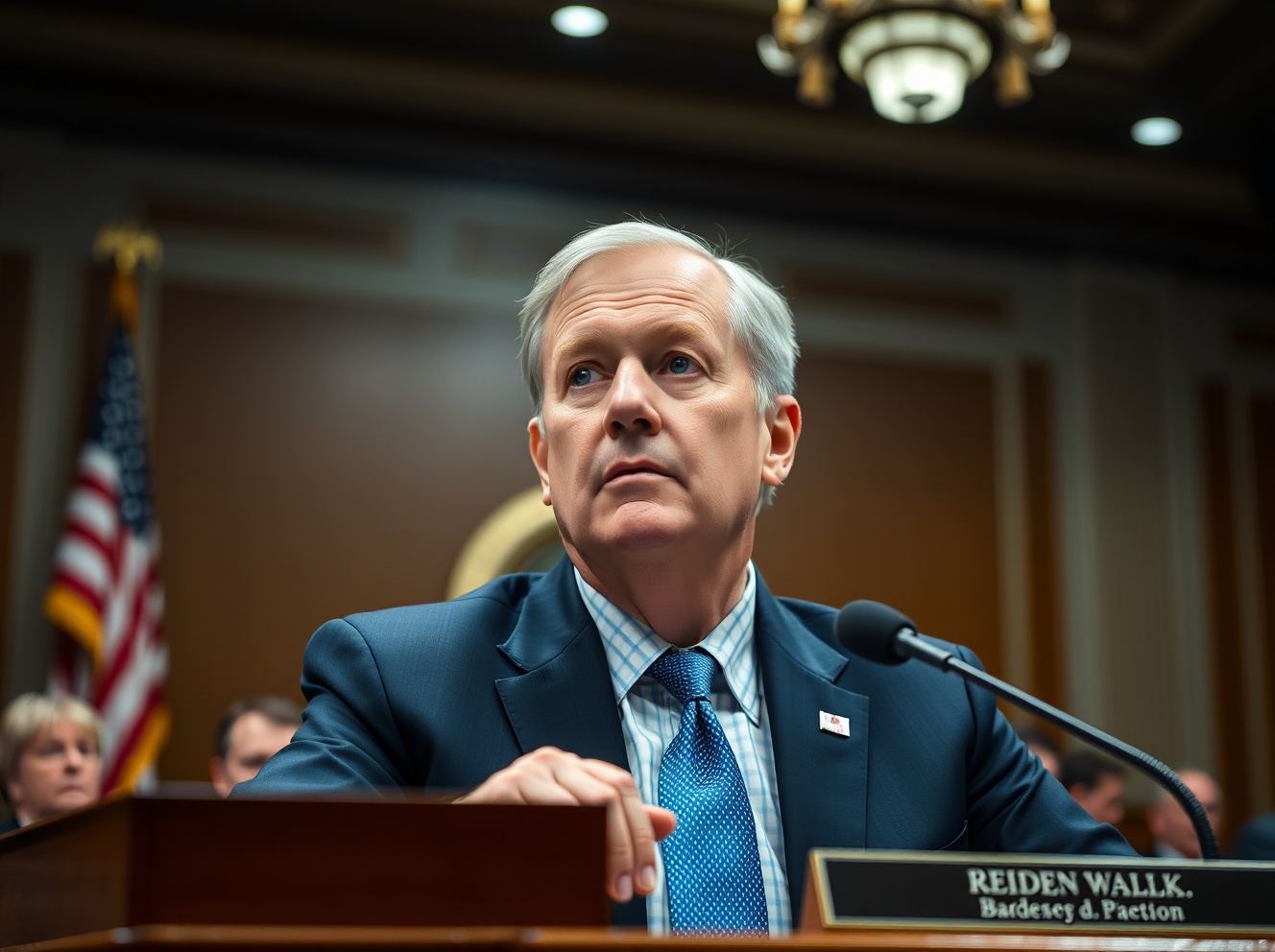
Critical Federal Reserve Inflation Warning: Hammack Reveals Tariffs Are Just One Piece of Complex Economic Puzzle
WASHINGTON, D.C. — March 15, 2025 — Federal Reserve Governor Christopher Hammack delivered a critical assessment today, revealing that America’s persistent inflation problem extends far beyond tariff impacts alone. His analysis suggests policymakers face a more complex economic landscape than previously understood, challenging conventional approaches to price stability.
Federal Reserve Inflation Analysis Reveals Broader Challenges
Governor Hammack presented detailed economic charts during his testimony before the Senate Banking Committee. These visualizations demonstrated how multiple factors contribute to current price pressures. The Federal Reserve official emphasized that while tariffs receive significant attention, they represent only one component of the inflation equation. His presentation systematically broke down various economic drivers currently influencing consumer prices.
Recent data from the Bureau of Labor Statistics shows core inflation remaining above the Fed’s 2% target for the 38th consecutive month. However, Hammack’s analysis reveals this persistence stems from diverse sources. Service sector inflation continues to demonstrate particular resilience, while goods prices show more variability. The labor market remains tight with wage growth exceeding productivity gains in several sectors.
Monetary Policy Faces Multidimensional Pressure Points
The Federal Reserve’s traditional tools face unprecedented challenges in the current economic environment. Hammack identified several persistent inflation drivers that monetary policy alone cannot address effectively. Supply chain reconfiguration continues to create cost pressures despite improvements from pandemic-era disruptions. Demographic shifts are reducing labor force participation while increasing demand for certain services.
Structural Economic Changes Demand New Approaches
Energy transition investments are creating both inflationary and disinflationary effects across different sectors. Housing costs remain elevated due to construction limitations and population distribution patterns. Healthcare expenses continue rising faster than general inflation despite various policy interventions. Technological adoption creates productivity gains in some industries while disrupting price structures in others.
Hammack presented comparative data showing how different inflation components have evolved since 2020:
| Inflation Component | 2020-2022 Contribution | 2023-2025 Contribution | Primary Drivers |
|---|---|---|---|
| Goods Prices | 42% | 28% | Supply chains, tariffs, demand shifts |
| Services Prices | 35% | 48% | Labor costs, housing, healthcare |
| Energy/Food | 23% | 24% | Commodity markets, climate, geopolitics |
Tariff Impacts Represent Limited Economic Lever
While recent tariff adjustments have captured political and media attention, Hammack’s analysis suggests their economic impact remains contained. Import price data shows tariff effects concentrated in specific categories rather than creating broad-based price pressures. Domestic production capacity has increased in some protected industries but at higher consumer costs. International trade patterns have adapted through rerouting and substitution effects.
The Federal Reserve’s research indicates several limitations to tariff-based inflation management:
- Pass-through rates vary significantly by industry and product category
- Exchange rate adjustments often offset initial price impacts
- Supply chain diversification creates new cost structures
- Domestic capacity constraints limit import substitution benefits
Global Economic Interconnections Reduce Policy Effectiveness
Hammack emphasized that today’s interconnected global economy reduces the effectiveness of unilateral trade measures. Capital flows respond faster than trade patterns to policy changes. Multinational corporations optimize production across borders regardless of tariff structures. Financial markets price in policy expectations rapidly, sometimes creating perverse effects.
Labor Market Dynamics Create Persistent Wage Pressures
The Federal Reserve Governor highlighted labor market conditions as a particularly stubborn inflation driver. Demographic trends show declining prime-age workforce participation despite strong job creation. Skills mismatches persist between available workers and employer needs. Geographic mobility has decreased, creating regional labor shortages. These structural factors maintain upward pressure on wages that often translate into service price increases.
Hammack presented evidence showing how labor costs influence different sectors:
- Healthcare and education face chronic staffing shortages
- Professional services experience strong demand for specialized skills
- Hospitality and retail struggle with high turnover and training costs
- Manufacturing encounters technical skill gaps despite automation
Housing and Shelter Costs Defy Conventional Solutions
Shelter inflation continues to outpace general price increases, presenting particular challenges for monetary policy. Construction costs remain elevated due to materials pricing and regulatory requirements. Land use restrictions limit housing supply in high-demand areas. Financing costs affect both development and purchase decisions. Rental markets show limited responsiveness to interest rate changes due to supply constraints.
Regional Variations Complicate National Policy Responses
Hammack noted significant regional differences in housing market dynamics. Coastal metropolitan areas face different challenges than midwestern cities. Sunbelt migration patterns create localized demand surges. Rural areas experience different cost structures and availability issues. These variations make national housing policies less effective than targeted local approaches.
Technological Disruption Creates Mixed Price Effects
The Federal Reserve analysis reveals technology’s complex relationship with inflation. Automation and artificial intelligence create productivity gains in some sectors while disrupting employment patterns in others. Digital services often demonstrate deflationary characteristics through competition and scalability. However, technology implementation requires significant upfront investment that can increase costs initially. The net effect varies by industry and time horizon.
Hammack identified several technological trends influencing price dynamics:
- E-commerce competition reduces retail margins but increases delivery costs
- Automation investments require capital expenditure before generating savings
- Digital platform effects create winner-take-most markets with unique pricing power
- Data and privacy regulations increase compliance costs for digital services
Climate and Energy Transitions Influence Price Structures
Environmental factors increasingly affect inflation through multiple channels. Extreme weather events disrupt agricultural production and supply chains. Energy transition investments create both cost pressures and long-term savings. Carbon pricing mechanisms influence production costs across industries. Adaptation requirements generate new expenditure categories for businesses and governments.
Policy Coordination Becomes Increasingly Essential
The Federal Reserve Governor emphasized that addressing multidimensional inflation requires policy coordination beyond monetary tools. Fiscal policy must complement rather than contradict monetary objectives. Regulatory approaches should consider inflation implications alongside other goals. International cooperation becomes more important in a globally connected economy. Data transparency and analysis need enhancement to support better decision-making.
Conclusion
Federal Reserve Governor Christopher Hammack’s comprehensive analysis reveals that America’s inflation challenges extend well beyond tariff impacts. The Federal Reserve inflation fight requires recognizing multiple persistent drivers including labor market dynamics, housing costs, technological disruption, and climate transitions. Monetary policy alone cannot address these diverse factors effectively. Policymakers must develop coordinated approaches that acknowledge the complex economic landscape. Understanding these multidimensional pressures represents the first step toward sustainable price stability and economic health.
FAQs
Q1: What specific inflation drivers did Hammack identify beyond tariffs?
Governor Hammack highlighted labor market tightness, housing supply constraints, service sector costs, technological implementation expenses, and climate transition investments as significant inflation drivers alongside tariff effects.
Q2: How does this analysis change the Federal Reserve’s approach to inflation?
The recognition of multiple persistent inflation sources suggests monetary policy may need to work in closer coordination with fiscal and regulatory approaches, acknowledging that interest rates alone cannot address all price pressures effectively.
Q3: What role do demographic trends play in current inflation?
Declining workforce participation among prime-age workers, skills mismatches, reduced geographic mobility, and aging population patterns all contribute to labor shortages and wage pressures that translate into service price inflation.
Q4: How do housing costs influence overall inflation measurements?
Shelter costs represent approximately one-third of the Consumer Price Index and have consistently outpaced general inflation due to construction limitations, land use restrictions, and financing challenges, creating persistent upward pressure.
Q5: What policy coordination does Hammack recommend for addressing multidimensional inflation?
The Federal Reserve Governor emphasized better alignment between monetary, fiscal, and regulatory policies, enhanced data analysis capabilities, and increased international cooperation to address inflation drivers that cross traditional policy boundaries.
This post Critical Federal Reserve Inflation Warning: Hammack Reveals Tariffs Are Just One Piece of Complex Economic Puzzle first appeared on BitcoinWorld.
You May Also Like

Landmark Court Ruling Rejects Terrorism Financing Claims

The U.S. Commodity Futures Trading Commission unveiled a new logo, claiming it will usher in a "golden age" of innovation.
