Crypto Crash: DeepSnitch AI Prints 150% Gains While Bitcoin Dumps to $65K and Fear Index Hits 11%

The crypto crash just wiped out 15 months of gains in one brutal move. Bitcoin fell below $70,000 on February 5 as suspicions over coordinated selling boiled over, marking Bitcoin’s first trip to the $60,000 range since early November 2024.
The Fear & Greed Index collapsed to 11% extreme fear, $130 million in long positions got liquidated in four hours, and retail is absolutely panicking. This is the bloodbath everyone feared, but smart traders recognize it as the setup everyone wanted.
When you see coordinated whale selling, extreme fear readings, and massive liquidations all hitting at once, you are not watching capitulation. You are watching accumulation disguised as chaos.
The reasons for the selloff are clear: campaign selling by enormous entities, precious metals volatility, and a full-blown risk-off sentiment crushing leveraged positions.But here is what matters: presale coins and crypto projects with real utility to retail and bulls will rally hard in the upcoming months. DeepSnitch AI, Zcash, and Monero are absorbing capital right now while everything else bleeds.

Bitcoin collapses to $65K as whales execute a selling campaign
Data captured new 15-month BTC price lows of $65,100 on Bitstamp during the Asia trading session. The latest plunge sparked $130 million of crypto long liquidations over four hours.
This is not random selling. Multiple analysts are pointing to a coordinated campaign selling, with crypto entrepreneur Alistair Milne agreeing that someone enormous is unloading to a deadline.
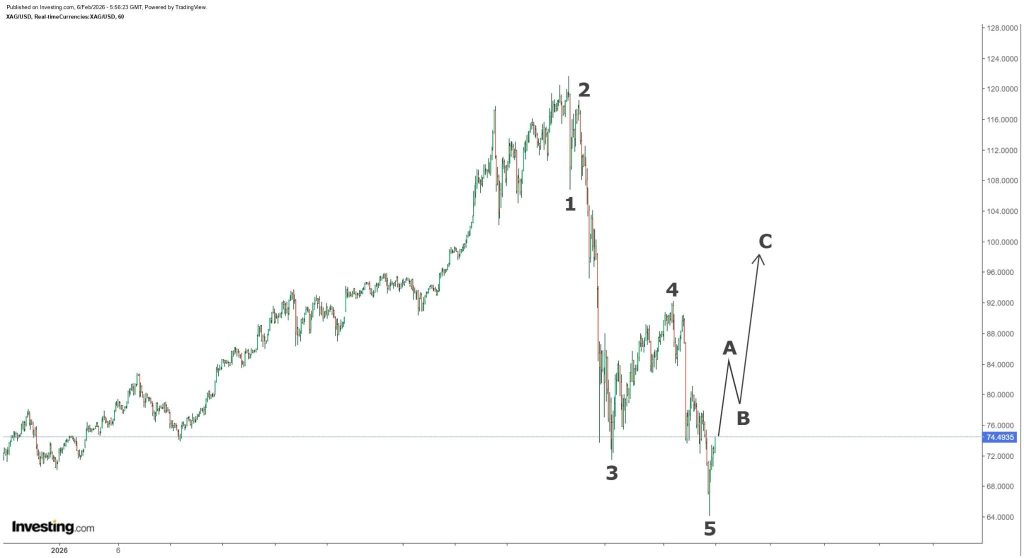
The crypto market crash analysis gets even more interesting when you look at correlated moves. Gold and silver volatility triggered copycat BTC price action, with gold falling from $5,100 to $4,789 and silver gyrating between $90 and $73 per ounce.
This risk-off sentiment is crushing everything simultaneously, which historically marks bottoms, not beginnings of bear markets. The Coinbase Premium Index hit its lowest level in over a year, signaling a complete lack of US buying pressure. But that same absence of demand is what creates the bounce conditions traders live for.
DeepSnitch AI: $DSNT surges 150% while everything else bleeds
While Bitcoin erases 15 months of gains and the Fear & Greed Index hits 11%, DeepSnitch AI is not catching knives. It is printing money.
The presale already ripped 150% from the launch price, pumping $DSNT to $0.03830 while pulling over $1.5 million in real money. That is actual capital flooding into working products while everything else around it bleeds out.
DeepSnitch AI delivers exactly what you need when markets are dumping hard: live tools tracking whale wallets before they move prices and wreck your positions.
The platform runs advanced blockchain monitoring with AI analytics spotting whale movements, tokens about to pump, and hidden plays that move markets before retail figures it out. SnitchFeed, SnitchScan, SnitchGPT, and AuditSnitch are operational right now, feeding actionable intel to holders who got in early while everyone else is still panic selling.
Bulls have already committed more than $1.5 million in presale funding, betting that $DSNT could be a 100x opportunity in 2026. These are not retail panic buyers. These are sophisticated players stacking a project with real utility during maximum fear.
Once fear bottoms at 11% and BTC stabilizes, the coins that kept traders alive during the dump will pump hardest. DeepSnitch AI sits at the top of that list.
Zcash bounces from regulatory clarity as privacy narrative heats up
Zcash is catching bids on fundamentals while the broader market burns. The SEC formally closed its investigation into the Zcash Foundation on January 15, removing a key overhang and boosting investor confidence.
That regulatory win triggered a rally from $326 to $530+ before profit-taking kicked in. ZEC currently trades around $222 on February 5, down from January highs but holding critical support levels.
With the SEC investigation closed and privacy demand accelerating, ZEC offers defensive positioning during the crypto crash with clear upside when risk appetite returns. Traders are watching whether ZEC can reclaim the $400 resistance to confirm the recovery thesis, but the regulatory clarity provides a foundation that most altcoins lack right now.
Monero hits all-time highs as financial surveillance drives demand
Despite the ongoing crypto crash wiping out leverage and shaking weak hands across the market, Monero (XMR) continues to stand out as a resilient privacy-focused asset, currently trading at $322 on February 5.
Looking beyond the crypto crash, many long-term bulls expect capital to rotate back into utility-driven projects once volatility settles. As privacy concerns resurface alongside regulatory pressure, Monero’s core use case could regain momentum.
Some forward-looking projections see XMR pushing toward the $700 range by 2026 if adoption strengthens and market conditions stabilize. For traders positioning early, Monero remains a sleeper play that historically performs best when the broader market starts recovering from deep drawdowns.
Conclusion: Load presale plays before the bounce
The crypto crash has pushed Bitcoin to $65K, collapsed the Fear & Greed Index to 11%, and triggered $130 million in liquidations.
Despite the bloodbath, DeepSnitch AI leads with 150% presale gains, $1.5M raised, and live AI surveillance tools that become more valuable in times of chaos.
ZEC benefits from SEC clarity and privacy demand. Monero hit all-time highs on financial surveillance concerns. All three represent crypto projects with real utility to retail and bulls that will rally hard in the upcoming months.
$DSNT sits at $0.03830 in Stage 5 right now, and bonus codes are still live, giving you 30% to 300% extra tokens depending on your buy size.This window is slamming shut fast. Hit the official
DeepSnitch AI website and stack your bag before the Fear & Greed Index flips and you miss the entry. Join the official X or Telegram for timely launch updates.

Frequently asked questions
What caused the crypto crash to $65K?
Coordinated whale selling, precious metals volatility, and extreme risk-off sentiment triggered the crash. Bitcoin erased 15 months of gains as $130 million in long positions were liquidated, and the Fear & Greed Index hit 11% extreme fear.
Why is DeepSnitch AI rallying during the crypto market crash?
$DSNT offers live AI surveillance tools that track whale movements and scan contracts during volatility. With 150% presale gains and $1.5M raised, traders recognize that functional utility outperforms during crashes.
Will privacy coins like ZEC and Monero recover?
ZEC gained regulatory clarity after the SEC closed its investigation, while Monero hit all-time highs on privacy demand. Both have real utility that positions them for recovery rallies when risk-off sentiment reverses.
This article is not intended as financial advice. Educational purposes only.
You May Also Like

Cashing In On University Patents Means Giving Up On Our Innovation Future

China Blocks Nvidia’s RTX Pro 6000D as Local Chips Rise