AI-Powered IT Operations: How Machine Learning is Transforming Infrastructure Management
Introduction: The Intelligence Revolution in IT
The complexity of modern IT environments has exceeded human capacity to manage effectively. Organizations operate thousands of interconnected systems generating millions of events daily. Traditional monitoring approaches that rely on static thresholds and manual analysis simply cannot keep pace. The result is alert fatigue, missed incidents, and operations teams perpetually in reactive mode.
Artificial intelligence offers a transformative solution. Machine learning algorithms can analyze vast datasets, identify patterns invisible to humans, predict failures before they occur, and automate responses to common issues. This shift from reactive to predictive operations represents a fundamental change in how organizations manage technology infrastructure.
This comprehensive guide explores how AI is revolutionizing IT operations—from the technologies enabling this transformation to practical implementation strategies. Whether you are beginning your AIOps journey or advancing existing capabilities, understanding these principles will help you leverage AI for operational excellence.
The Evolution of IT Operations
Understanding where IT operations has been helps appreciate where AI is taking it.
| Era | Approach | Characteristics | Limitations |
| Manual (1990s) | Human monitoring | Console watching, manual checks | Limited scale, slow response |
| Scripted (2000s) | Basic automation | Scheduled scripts, simple alerts | Rigid, maintenance burden |
| Monitored (2010s) | Tool proliferation | Multiple monitoring tools, dashboards | Data silos, alert fatigue |
| AIOps (2020s) | AI-powered | ML analysis, predictive, automated | Emerging, requires investment |
Core AIOps Capabilities
AIOps platforms provide several key capabilities that address fundamental operational challenges.
Anomaly Detection
Traditional monitoring relies on static thresholds that cannot adapt to changing conditions. AI-powered anomaly detection establishes dynamic baselines of normal behavior and identifies deviations that may indicate problems—even when specific thresholds have not been defined.
Organizations implementing sophisticated AIOps capabilities often partner with managed IT operations specialists who have developed the data pipelines, ML models, and operational processes needed to derive value from AI-powered monitoring. These partnerships accelerate time to value while avoiding the pitfalls that derail DIY implementations.
Event Correlation
A single infrastructure issue often triggers cascading alerts across multiple systems. AI correlates related events, identifying root causes and suppressing noise. What once appeared as hundreds of separate alerts becomes a single incident with clear causation.
- Temporal correlation linking events occurring within time windows
- Topological correlation using infrastructure relationships
- Semantic correlation identifying conceptually related events
- Historical correlation matching patterns from past incidents
Predictive Analytics
Perhaps the most valuable AIOps capability is prediction. Machine learning models analyze historical data to forecast future problems—disk space exhaustion, capacity shortfalls, performance degradation, and potential failures—enabling proactive remediation before users are impacted.
| Prediction Type | Use Case | Business Value |
| Capacity Forecasting | Storage, compute planning | Prevent outages, optimize spending |
| Failure Prediction | Hardware, service failures | Proactive replacement, reduced downtime |
| Performance Trending | Response time degradation | Early intervention, maintained SLAs |
| Anomaly Forecasting | Unusual pattern prediction | Advance warning of issues |
Machine Learning in Operations
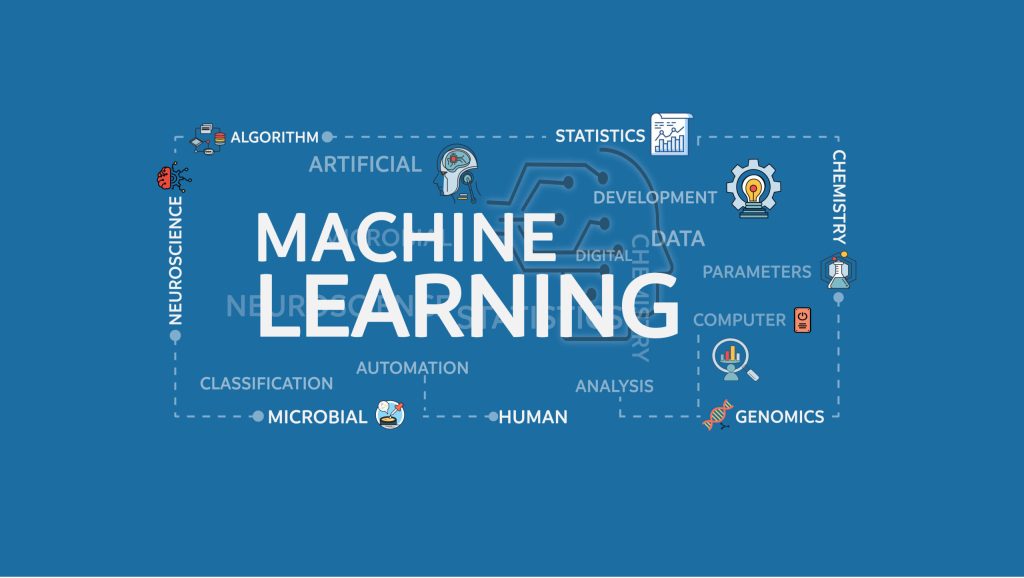 Understanding the ML techniques underlying AIOps helps set realistic expectations and evaluate solutions effectively.
Supervised Learning
Supervised learning uses labeled training data to build predictive models. In AIOps, this enables incident classification, ticket routing, and failure prediction based on historical patterns.
Unsupervised Learning
Unsupervised learning finds patterns in unlabeled data. This powers anomaly detection, event clustering, and baseline establishment without requiring manual classification of training data.
Reinforcement Learning
Reinforcement learning optimizes decisions through trial and feedback. Applications include auto-tuning system parameters, optimizing resource allocation, and improving remediation strategies over time.
Implementing AIOps Successfully
AIOps implementation requires more than deploying tools. Success demands quality data, organizational readiness, and realistic expectations.
Data Foundation
AI is only as good as its data. Effective AIOps requires comprehensive, high-quality operational data from across the environment.
- Metrics from infrastructure, applications, and business processes
- Logs aggregated and parsed for analysis
- Traces showing request flows across distributed systems
- Events from monitoring tools, ticketing systems, and change management
- Topology data mapping infrastructure relationships
Implementation Roadmap
| Phase | Focus | Duration | Outcomes |
| Foundation | Data collection, integration | 2-3 months | Unified data platform |
| Detection | Anomaly detection, correlation | 3-4 months | Reduced noise, faster MTTR |
| Prediction | Predictive analytics | 3-6 months | Proactive operations |
| Automation | Automated remediation | Ongoing | Self-healing capabilities |
AIOps Use Cases
Real-world AIOps implementations deliver value across multiple operational domains.
Incident Management
AI transforms incident management by accelerating detection, automating triage, and suggesting remediation. Mean time to detect and resolve drops dramatically when AI handles initial analysis.
Capacity Management
Predictive capacity management replaces spreadsheet-based planning with data-driven forecasting. Organizations can right-size infrastructure, avoid performance issues, and optimize cloud spending.
Change Risk Assessment
AI analyzes historical change data to predict which changes carry elevated risk, enabling enhanced scrutiny for high-risk changes while streamlining low-risk deployments.
Security and AIOps Integration
Security operations benefit from the same AI capabilities that transform IT operations. Threat detection, incident correlation, and automated response all leverage machine learning effectively.
AIOps platforms complement security tools including vulnerability scanning solutions by correlating security findings with operational data, enabling holistic views of infrastructure health and risk.
Measuring AIOps Success
Clear metrics demonstrate AIOps value and guide continuous improvement.
| Metric | Before AIOps | After AIOps | Improvement |
| Alert Volume | 10,000/day | 500/day | 95% reduction |
| MTTD | 30 minutes | 2 minutes | 93% faster |
| MTTR | 4 hours | 45 minutes | 81% faster |
| Incidents Predicted | 0% | 60% | Proactive operations |
| Manual Effort | 80% reactive | 30% reactive | 50% efficiency gain |
Challenges and Considerations
AIOps adoption involves challenges that organizations must address for success.
- Data quality issues that undermine ML effectiveness
- Integration complexity across diverse tool ecosystems
- Skills gaps requiring training or partnerships
- Organizational resistance to trusting AI recommendations
- Unrealistic expectations about AI capabilities
The Future of Intelligent Operations
AIOps continues to evolve rapidly. Emerging capabilities point toward increasingly autonomous operations where AI handles routine tasks while humans focus on strategic decisions.
- Generative AI for natural language interaction with operations data
- Autonomous remediation with minimal human intervention
- Digital twins simulating infrastructure for planning and testing
- Edge AI processing operational data at the source
Conclusion: Embracing Intelligent Operations
AI is fundamentally transforming IT operations, shifting from reactive firefighting to proactive, predictive management. Organizations that embrace this transformation gain significant advantages in reliability, efficiency, and agility.
Success requires investment in data foundations, realistic expectations, and often partnerships with specialists who have navigated the AIOps journey. The technology is powerful but not magical—it requires thoughtful implementation to deliver value.
The future of operations is intelligent, automated, and proactive. Organizations that begin building AIOps capabilities today will be well-positioned for the increasingly complex technology environments of tomorrow.
You May Also Like
XERO Price Crash: Shares Sink 16% to Three-Year Low

YwinCap View On Whether The Gold Market Is In A Bubble