Which IRA is best for crypto? A practical guide to a crypto Roth IRA
FinancePolice provides plain-language guidance to help you understand the main decision factors. Use the checklist and sample questions in this guide as a starting point, and verify details with IRS and regulatory sources before you act.
How a crypto Roth IRA works
Basic tax logic for Roth accounts
A crypto Roth IRA is a Roth individual retirement account that holds cryptocurrency assets rather than only stocks, bonds, or cash. Roth accounts use after-tax contributions and, when distributions meet the qualified distribution rules, qualified withdrawals can be tax-free under IRS rules, which affects how retirement crypto gains are realized and accessed.
The IRS treats cryptocurrency as property for federal tax purposes, which determines how gains are recognized and reported for transactions, and that classification still guides retirement account treatment for crypto holdings IRS virtual currency guidance.
In practical terms, holding crypto inside a Roth means future qualified distributions may be tax-free, so the timing of tax benefit differs from pre-tax accounts. That distinction matters because property treatment means the IRS expects gains to be recognized in accordance with IRA distribution rules rather than ordinary brokerage sale reporting in a taxable account.

Why the IRS classification of crypto matters
Because the IRS treats crypto as property, gains on assets inside IRAs are handled under existing IRA distribution rules and tax timing, rather than the capital gains rules applied to a taxable wallet. For details on IRA distributions and timing, IRS Publication 590-B explains the rules for qualified distributions and required minimum distributions IRS Publication 590-B.
This structure is why many investors choose a Roth if they want potential tax-free withdrawals in retirement, while others prefer Traditional accounts that defer tax until distribution. Which path is suitable depends on your expected tax situation in retirement and your investment horizon.
Roth vs Traditional IRAs for crypto: tax timing and withdrawals
When withdrawals are tax-free
The main difference between a Roth and a Traditional IRA is timing of the tax benefit. Roth contributions are made with after-tax dollars and qualified withdrawals can be tax-free, while Traditional IRA contributions may be pre-tax and distributions are generally taxable as income when withdrawn IRS Publication 590-B.
For crypto held in a Roth, qualified distributions of gains can be tax-free, subject to the usual Roth rules for age and holding period. That can be attractive if you expect higher tax rates in retirement or long-term price appreciation of the assets you hold.
Partner with FinancePolice to reach a personal finance audience
Use the checklist below to compare custodians and fees, and consult FinancePolice as an educational resource when you compare options.
Visit our advertise page
Traditional IRAs let you delay taxes on contributions until distributions, so the account grows tax-deferred. That can make sense for investors who value a current deduction or who expect lower tax rates in retirement. The choice between Roth and Traditional depends on expected tax rates, time horizon, and whether you prefer tax-free withdrawals later or tax deferral now.
Because the IRS treats crypto as property, taxable events inside or outside an IRA are determined by that classification. In retirement accounts, usual IRA distribution rules control recognition and tax treatment rather than the taxable-event rules that apply to an outside wallet IRS virtual currency guidance.
How taxable events work for property inside IRAs
Inside an IRA, you generally do not recognize taxable gains each time an asset moves between holdings within the account, but distributions from the account to you are subject to IRA distribution rules. That means gains on crypto inside a Roth can remain sheltered until a qualified distribution, which is different from trading crypto in a taxable brokerage or wallet.
Required minimum distributions and distribution timing rules can also affect strategy. Traditional IRAs are subject to RMD rules that influence when you must take taxable withdrawals; Roth IRAs are not subject to RMDs for the original owner under current IRS rules, which may be a factor for long-term holding strategies IRS Publication 590-B.
Which retirement accounts allow crypto: custodians and account structures
What custodians do and why most retail IRAs don’t hold crypto directly
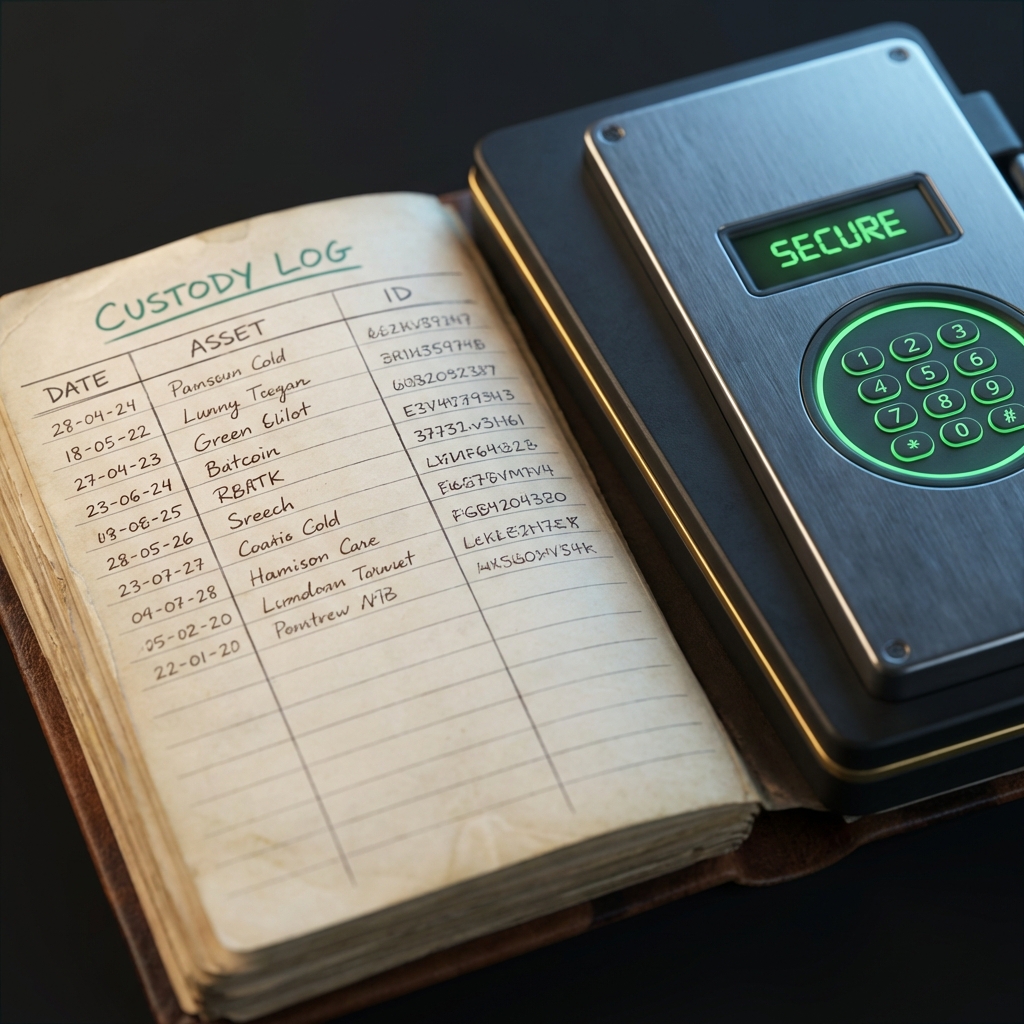
Holding crypto inside an IRA usually requires a custodian or trustee that explicitly permits alternative assets and provides qualified custody arrangements. Most mainstream brokerage IRAs do not support direct crypto custody without a self-directed arrangement, so investors who want direct crypto exposure typically use self-directed accounts and specialized custodians or self-directed accounts Guide to holding crypto in an IRA.
Custodians that accept crypto often have specific operational and reporting processes. That can mean extra paperwork, separate fee structures, and custody models where the custodian controls private keys or offers a segregated custody service. Practices vary, so understanding custody language in account agreements is important.
Quick checklist to confirm an account supports crypto
Use this checklist when comparing custodians
Self-directed IRA custodians usually permit a wider range of asset types but require a trustee or custodian that is willing to accept alternative assets. That makes self-directed IRAs a common route for retirement crypto, but they do add steps and potential fees for custody and transactions Guide to holding crypto in an IRA.
Before you open an account, confirm in writing how the custodian stores assets, who holds private keys, and how the custodian reports transactions for tax purposes. Those details determine both operational convenience and the tax reporting you will need to complete.
Self-directed IRAs and Solo 401(k)s: setup, pros and cons
How to set up a self-directed IRA or Solo 401(k) for crypto
Self-directed IRAs and Solo 401(k)s are common structures for holding crypto in retirement accounts. A Solo 401(k) can be simpler to manage for self-employed investors with no employees, while self-directed IRAs work for a broader group of account owners. Both require paperwork to establish the plan and to document custody arrangements Guide to holding crypto in an IRA.
High-level setup steps typically include choosing a custodian that accepts crypto, completing account paperwork and beneficiary designations, transferring or rolling over funds, and completing any custody instructions the custodian requires. Solo 401(k) plans may offer different contribution rules and sometimes more direct control for the owner, but they also require plan documents and administration.
A crypto Roth IRA can make sense for long-term holders who want potential tax-free qualified withdrawals and accept added custody and compliance work; a Traditional IRA or taxable account may suit those who prefer current tax benefits or frequent trading.
Operationally, expect more administrative work than a standard brokerage IRA. That can mean separate account portals, manual transfer processes, and additional documentation for tax reporting. These are reasons to plan for setup time and to budget for potential fees and administrative follow-up.
Pros, cons, and suitability by investor type
Self-directed arrangements can allow direct crypto exposure within a retirement wrapper, but they come with tradeoffs. Pros include potential tax-advantaged growth and the ability to hold alternative assets. Cons include extra custody fees, more complex reporting, and stricter prohibited-transaction rules that limit certain types of use Guide to holding crypto in an IRA.
Solo 401(k)s may appeal to self-employed investors who want higher contribution flexibility or a plan that can be administratively straightforward for a one-person business. A self-directed IRA may suit someone who wants access to a wider set of custodians or asset types but is willing to accept more ongoing administration.
Key decision criteria: custody, fees, liquidity, and prohibited transactions
Custody and security checklist
When comparing providers, ask how assets are stored, who controls private keys, whether cold storage is used, and whether the custodian offers insurance for asset loss. Custody terms determine both security and the practical ability to move assets when needed, so clarity on custody is essential FINRA consumer guidance on crypto risks.
Consider whether the custodian uses qualified custody that meets IRA rules and whether it segregates client assets. These details affect recovery options and whether assets are recognized as IRA property in a custodial dispute.
Compliance, fees, and liquidity factors to compare
Crypto IRAs typically involve setup fees, custody fees, transaction fees, and annual maintenance fees that can be higher than a taxable account. Evaluate total cost of ownership, not just trading commissions, because custody and reporting work add real costs Guide to holding crypto in an IRA.
Liquidity constraints are also common. Some custodians restrict how quickly you can move assets or may require notice for transfers. That can matter if you expect to trade frequently or need to make distributions with short lead times.
Finally, prohibited transactions and disqualified person rules apply to IRA assets. Owners cannot personally possess IRA-held crypto or do certain transactions with related parties without risking penalties and account disqualification, so review the rules carefully IRS Publication 590-B.
Common mistakes and compliance risks to avoid
Prohibited transactions and personal use pitfalls
A leading mistake is treating IRA-held crypto like personal property. Transferring IRA crypto to a personal wallet, allowing a related person to use IRA assets, or using IRA assets as collateral can trigger prohibited-transaction rules and severe tax consequences under IRS guidance IRS Publication 590-B.
Other compliance errors include ignoring beneficiary designations, failing to follow custodian transfer procedures, or missing documentation that proves assets remained in the IRA. These operational lapses can complicate tax reporting and may lead to unexpected taxation or penalties.
Custody and liquidity mistakes
Moving crypto between wallets without following custodian instructions, or assuming a custodian provides insurance when it does not, are common pitfalls. Confirm insurance limits and what events are covered to avoid surprises in a loss event FINRA consumer guidance on crypto risks.
Also watch for liquidity problems. If a custodian imposes trading windows or withdrawal delays, you may not be able to access funds quickly for required distributions or rebalancing, so ask about typical transfer timelines and any blackout periods.
Practical examples and scenarios
Scenario: long-term retirement holder using a Roth
Imagine an investor who expects to hold crypto for a decade or more and who prefers the certainty of tax-free qualified withdrawals. A crypto Roth IRA can let gains accumulate inside a tax-advantaged wrapper and potentially be withdrawn tax-free if distribution rules are met, making it a practical choice for long-term holders who do not need frequent liquidity IRS virtual currency guidance.
In that scenario, the investor should still verify custody, plan for fees, and confirm the custodian supports the intended assets and reporting. The Roth structure does not remove custody or compliance work, it only changes the timing of tax on distributions.
Scenario: active trader and why an IRA may limit flexibility
An active trader who needs quick trade execution, margin-like features, or fast transfers may find a retirement wrapper limiting. Many crypto IRAs have higher transaction fees, slower transfer processes, or restrictions that make frequent trading expensive or operationally awkward Guide to holding crypto in an IRA.
For traders, a taxable account often offers lower fees and immediate access, though it brings immediate tax consequences. Consider your trading frequency, fee sensitivity, and whether you can accept the administrative constraints of a retirement account before choosing a crypto Roth IRA.
Next steps checklist and how to compare providers
A practical comparison checklist
Step 1, confirm the account type supports crypto and whether the custodian is set up for Roth or Traditional accounts. Step 2, verify custody model and private key control. Step 3, compare fees including setup, custody, transaction, and annual maintenance fees. Step 4, check transfer and liquidity policies and expected timelines. Step 5, confirm how the custodian reports transactions for tax compliance and whether it will provide the statements you need Guide to holding crypto in an IRA.
Ask custodians specific questions about insurance, whether they use cold storage, how they handle forks or airdrops, and who is responsible for tax reporting. Keep written answers for your records and consider consulting a tax professional for complex situations.
Document the answers and compare providers side by side.
Key decision criteria and next steps
Questions to ask a custodian or trustee
Sample questions include: Do you permit direct crypto custody in Roth accounts? Who controls private keys? What fees will I pay for setup and ongoing custody? How do you handle transfers and what are typical timelines? How will you report transactions to support IRA tax compliance? Document the answers and compare providers side by side.
Also verify primary sources for tax and regulatory guidance and consider seeking professional tax advice when transfers, rollovers, or complex transactions are involved. The IRS, SEC, and FINRA offer guidance that can clarify custody and investor protection issues FINRA consumer guidance on crypto risks.
Conclusion: is a crypto Roth IRA right for you?
Short summary of tradeoffs
A crypto Roth IRA offers potential tax-free qualified withdrawals and can be useful for long-term holders who accept extra custody and compliance work. The main tradeoffs are tax timing, custody complexity, higher fees, and stricter prohibited-transaction rules that require careful handling of assets IRS virtual currency guidance.
How to decide next
If you value tax-free withdrawals and a long-term hold strategy, a Roth could be appropriate. If you prefer immediate liquidity, lower fees, or frequent trading, a taxable account or different retirement vehicle might suit better. Verify custodian terms, compare fees, and consult primary sources and a tax professional for personal advice SEC investor bulletin on virtual currencies.
Yes, you can hold crypto in a Roth IRA if the custodian or trustee permits alternative assets and provides qualified custody. Many standard broker IRAs do not support direct crypto custody without a self-directed arrangement.
If withdrawals meet the Roth qualified distribution rules, gains in a Roth can be tax-free. The timing of tax benefit is what differs between Roth and Traditional accounts.
Key risks include custody security, higher fees, liquidity restrictions, and potential prohibited-transaction violations if assets are handled outside custodian rules.
References
- https://www.irs.gov/filing/digital-assets
- https://www.irs.gov/businesses/small-businesses-self-employed/virtual-currencies
- https://www.irs.gov/pub/irs-pdf/p590b.pdf
- https://www.coindesk.com/learn/how-to-hold-cryptocurrency-in-ira/
- https://www.finra.org/investors/alerts/cryptocurrency-understanding-risks
- https://www.sec.gov/oiea/investor-alerts-and-bulletins/what-you-should-know-about-virtual-currencies
- https://financepolice.com/category/crypto/
- https://financepolice.com/crypto-exchange-affiliate-programs-to-consider-heres-what-you-need-to-know/
- https://financepolice.com/category/investing/
- https://financepolice.com/advertise/
You May Also Like

Fed Decides On Interest Rates Today—Here’s What To Watch For

While Shiba Inu and Turbo Chase Price, 63% APY Staking Puts APEMARS at the Forefront of the Best Meme Coin Presale 2026 – Stage 6 Ends in 3 Days!