

Dubai Insurance Pioneers Revolutionary Crypto Wallet for Regulatory-Compliant Premium Payments

BitcoinWorld
Dubai Insurance Pioneers Revolutionary Crypto Wallet for Regulatory-Compliant Premium Payments
In a landmark move for Middle Eastern financial services, Dubai Insurance has unveiled a crypto wallet solution, fundamentally transforming how policyholders manage premiums and claims within a fully regulated framework. This strategic initiative, reported by Cointelegraph, positions the United Arab Emirates insurer at the forefront of digital asset integration in the conservative insurance sector. Consequently, the launch signals a significant shift toward institutional cryptocurrency adoption in the Gulf region. The company leverages institutional-grade custody infrastructure from Zodia Custody, a standard typically reserved for major banks and asset managers. However, specific details regarding supported digital assets and product rollout remain undisclosed at this early stage.
Dubai Insurance Crypto Wallet: A Regulatory First
Dubai Insurance explicitly describes its new digital wallet as the first offering of its kind within the UAE insurance industry to operate under the local regulatory and compliance framework. This distinction is crucial for several reasons. Primarily, it demonstrates a collaborative approach between innovators and regulators like the Securities and Commodities Authority (SCA) and the Dubai Financial Services Authority (DFSA). Furthermore, operating within established rules provides customers with greater legal certainty and consumer protection, which are often absent in unregulated crypto services. The partnership with Zodia Custody, a venture backed by Standard Chartered, provides the necessary institutional custody layer. This infrastructure ensures secure private key management, robust cybersecurity protocols, and compliance with financial regulations, thereby addressing traditional concerns about asset safety in the crypto space.
The Institutional Infrastructure Behind the Launch
The choice of Zodia Custody as the underlying infrastructure partner is a deliberate signal of security and legitimacy. Zodia operates under regulatory approvals in multiple jurisdictions, including the UK and Ireland. Its involvement suggests Dubai Insurance’s wallet will likely support major cryptocurrencies like Bitcoin (BTC) and Ethereum (ETH) initially, with potential for expansion. This model mirrors trends seen in global finance, where regulated entities are building bridges between traditional finance (TradFi) and decentralized finance (DeFi). For instance, other global insurers have begun exploring blockchain for parametric insurance and smart contracts, but direct premium payment in crypto remains rare. The table below contrasts this launch with broader industry trends:
| Initiative | Region | Key Feature | Regulatory Status |
|---|---|---|---|
| Dubai Insurance Crypto Wallet | UAE | Premium & claim payments in crypto | Fully compliant with local framework |
| AXA Switzerland (2022) | Switzerland | Accepted Bitcoin for premium payments | Operated under Swiss financial law |
| Various DeFi Insurance Protocols | Global | Smart contract-based coverage | Largely unregulated or lightly regulated |
Impact on the UAE Insurance and Fintech Landscape
This launch creates immediate ripple effects across several sectors. Firstly, it accelerates the UAE’s stated ambition to become a global hub for digital assets. Recent years have seen the establishment of the Virtual Assets Regulatory Authority (VARA) in Dubai and progressive federal licensing regimes. Secondly, it pressures competitors within the insurance sector to accelerate their own digital transformation roadmaps. Moreover, it provides a tangible use case for cryptocurrency beyond speculation—utility in everyday financial services. For customers, the potential benefits are multifaceted:
- Faster Transactions: Cryptocurrency settlements can occur 24/7, potentially speeding up claim payouts.
- Reduced Costs: Eliminating intermediaries in cross-border payments may lower transaction fees.
- Portfolio Flexibility: Allows customers to use digital asset holdings for real-world financial obligations.
Nevertheless, challenges persist. Volatility remains a primary concern; the value of a premium payment or claim settlement could fluctuate significantly between transaction initiation and completion. The insurer will likely need to implement real-time conversion mechanisms or stablecoin options to mitigate this risk. Additionally, broader consumer education on wallet security and transaction finality is essential for safe adoption.
Expert Analysis on Market Trajectory
Financial technology analysts view this development as an inevitable convergence. “The integration of institutional-grade crypto custody with regulated insurance products is a logical step for a market like the UAE,” observes a fintech researcher specializing in Gulf Cooperation Council (GCC) economies. “It serves a tech-savvy population and aligns with national economic diversification strategies away from oil dependence.” The timeline of regulatory development supports this: the UAE cabinet approved the first federal virtual asset law in 2022, creating a foundation for such innovations. Furthermore, the move may attract a younger demographic to insurance products, a segment traditionally underserved. The long-term impact could extend beyond payments into using blockchain for fraud prevention, automated claims via smart contracts, and transparent policy management.
Conclusion
Dubai Insurance’s launch of a regulatory-compliant crypto wallet marks a pivotal moment for the insurance industry in the Middle East. By prioritizing institutional custody and operating within the UAE’s established legal framework, the company provides a blueprint for secure and legitimate digital asset integration. This initiative not only enhances customer choice and potential efficiency but also solidifies the UAE’s position as a forward-thinking leader in the global fintech landscape. As details on supported assets emerge, the market will watch closely to see if this pioneering model sets a new standard for insurance payments worldwide.
FAQs
Q1: What exactly has Dubai Insurance launched?
Dubai Insurance has launched a digital wallet that allows customers to pay their insurance premiums and receive claim settlements using cryptocurrency. This service is built on institutional custody technology from Zodia Custody.
Q2: Is this crypto wallet service legal and regulated in the UAE?
Yes. The company states this is the first offering of its kind in the UAE insurance industry to operate fully within the local regulatory and compliance framework, implying oversight by authorities like the SCA or DFSA.
Q3: Which cryptocurrencies can I use with this wallet?
Specific supported digital assets have not been publicly released yet. Given the institutional partnership with Zodia Custody, it is likely to support major assets like Bitcoin and Ethereum initially.
Q4: How does using crypto for insurance work with price volatility?
This is a key operational detail yet to be clarified. The insurer may use instant conversion to fiat currency upon receipt or may support payments in stablecoins (cryptocurrencies pegged to a stable asset like the US dollar) to minimize volatility risk.
Q5: Why is the partnership with Zodia Custody important?
Zodia Custody provides the secure, regulated infrastructure to hold the private keys for the cryptocurrencies. This institutional-grade custody is critical for meeting regulatory standards, ensuring asset security, and building customer trust in the service.
This post Dubai Insurance Pioneers Revolutionary Crypto Wallet for Regulatory-Compliant Premium Payments first appeared on BitcoinWorld.
You May Also Like

Three dormant wallets, suspected to belong to the same entity, purchased 5,970 ETH eight hours ago.
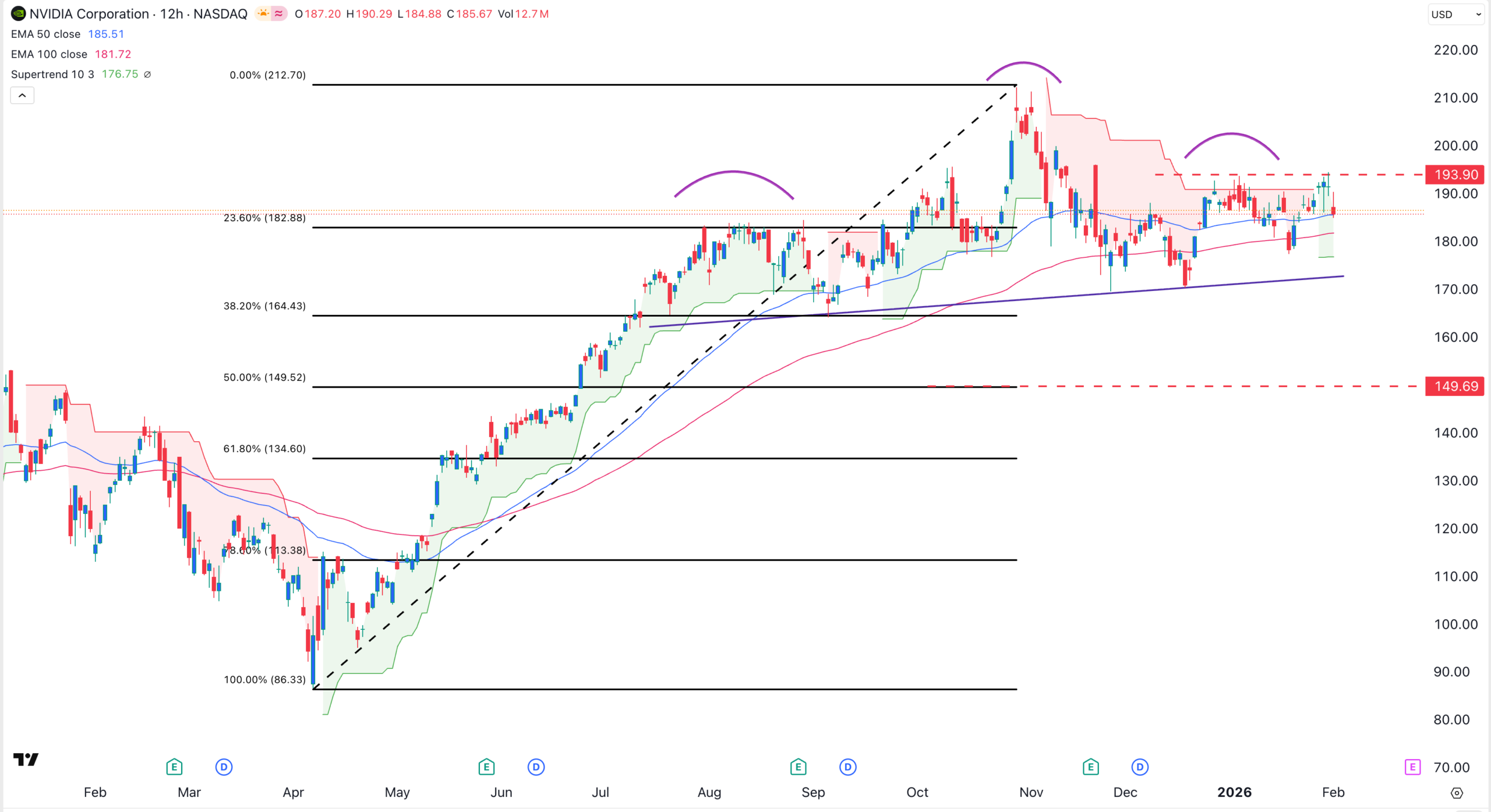
NVIDIA Stock Price Analysis as OpenAI Issues Concerns About its Chips
