

AI and the Future of Surgical Precision in Healthcare
You can feel the shift in healthcare. Advanced digital intelligence isn’t just a buzzword anymore—it’s changing the way doctors and dentists work every day. Artificial intelligence, which used to handle only paperwork and scheduling, is now a real partner in the operating room. It brings a level of accuracy nobody thought possible a decade ago. If you’re a patient in the area needing something like a wisdom tooth extraction Markham specialists perform, you’re seeing these technological changes firsthand. Dentists are using AI-powered imaging and robotic tools to map out and perform tricky surgeries with jaw-dropping precision. The odds of hitting a nerve or running into other complications drop dramatically.
Smarter Diagnostics and Planning
AI’s biggest impact? It’s how fast and reliably it reads diagnostic data. Surgeons once relied on their own eyes and a couple of flat X-rays. Now, deep learning tools can dig into 3D Cone Beam CT scans, turning them into detailed maps of your mouth.
Here’s what these systems do:
Spot Trouble Areas: They find the exact angle and depth of teeth hiding below the gum line.
Highlight Key Nerves: They trace out the inferior alveolar nerve, helping dentists avoid causing numbness or nerve damage.
Predict Surgical Challenges: They score each case, so the hardest ones get more attention and resources.
Robotic-Assisted Surgery Takes Over
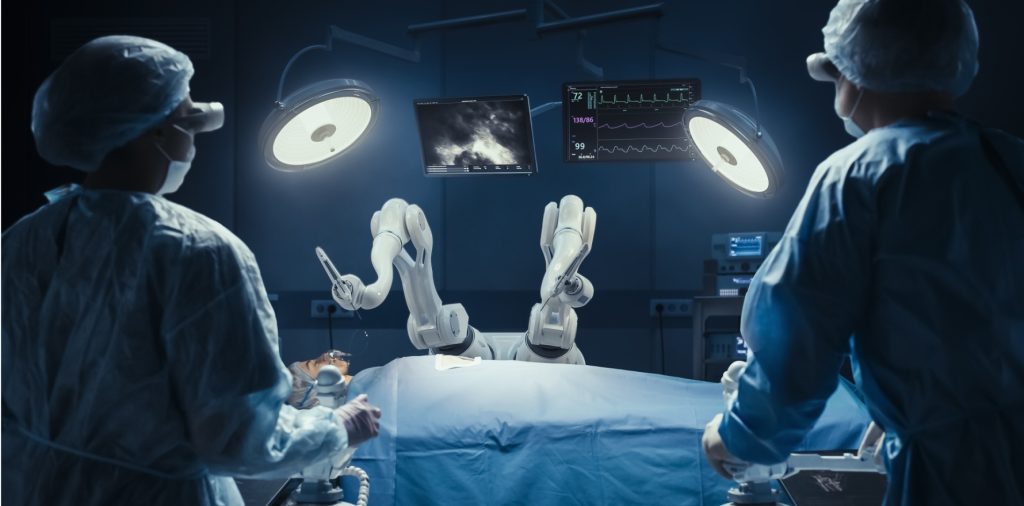 Sure, the dentist is still in charge, but AI-powered robotic arms are now the ultimate steady hand. They guide tools in real time, making cuts with microscopic accuracy. This matters most when there’s bone to remove—these robots help avoid damaging soft tissue or healthy teeth next door.
Because they can work through smaller openings, these tools make surgery less invasive. That means less blood, less trauma, and a smoother, faster recovery for you.
Better Recovery and Monitoring
The tech doesn’t stop working when you leave the clinic. New apps use image recognition, so you can snap a photo of your healing mouth at home. The app checks for early signs of infection or problems like dry socket before things get out of hand.
AI chatbots handle common questions—what you can eat, how to keep swelling down, that sort of thing—anytime, day or night.
Algorithms look at your recovery and suggest the best pain medication schedule, helping you heal comfortably without overdoing it on pills.
Some apps even give you a pretty accurate idea of when you’ll be back to normal life.
A New Level of Trust
At the end of the day, AI in healthcare is about building trust. When your dentist shows you a 3D model of your surgery and what to expect, it takes away the mystery and a lot of the fear. You see what’s coming, you know why it’s safe, and you feel more confident. With smart tech and expert care working together, medicine gets not just more effective, but more personal. And as these tools keep getting better, the focus stays the same: helping real people heal, with skill and heart.
You May Also Like

Gold Hits $3,700 as Sprott’s Wong Says Dollar’s Store-of-Value Crown May Slip
YouTube Advertising Formats: A Complete Guide for Marketers
