Australia’s Reserve Bank announced on Thursday the selection of 24 industry participants for the next phase of its wholesale central bank digital currency (CBDC) testing initiative. The six-month pilot will conduct 19 real-money transactions and five proof-of-concept simulations across multiple asset classes, including fixed income, private markets, trade receivables, and carbon credits. Settlement will occur through various digital assets, including stablecoins, bank deposit tokens, and pilot wholesale CBDCs deployed on platforms such as Hedera, Redbelly Network, R3 Corda, and Canvas Connect. The Australian Securities and Investments Commission has granted regulatory relief to facilitate the testing, and project findings are expected in the first quarter of 2026. Source: Bloomberg ASIC Enables Real-Money CBDC Testing Through Regulatory Relief The regulatory relief allows participants to conduct tokenized asset transactions using CBDCs between financial institutions without standard licensing requirements during the pilot period. ASIC Commissioner Kate O’Rourke noted that the relief instrument will enable wholesale market testing of technologies that could potentially boost efficiency and foster economic growth. Selected participants include major Australian banks such as Commonwealth Bank, ANZ, and Westpac, alongside specialized firms like Australian Bond Exchange, Fireblocks, and Zerocap. Brad Jones, Assistant Governor for Financial System at the RBA, emphasized the strategic importance of ensuring Australia’s monetary arrangements remain fit for purpose in the digital age. Jones described Project Acacia as “ an opportunity for further collaborative exploration on tokenized asset markets and the future of money by the public and private sectors in Australia, ” with use cases designed to help the RBA better understand innovations in both central bank and private digital money. Professor Talis Putnins from the Digital Finance Cooperative Research Centre also highlighted the potential economic impact. He referenced recent research suggesting potential economic gains in markets and cross-border payments could reach AU$19 billion annually. Australia Pursues Wholesale CBDC Strategy Amid Global Digital Currency Race Project Acacia builds on Australia’s September 2024 decision to prioritize wholesale CBDC development over retail applications due to greater economic benefits. The initiative aligns with global trends, as 134 countries representing 98% of the global economy are exploring CBDCs , according to research by the Atlantic Council. 🌍 The CBDC race is heating up. 134 countries are now exploring digital currencies, covering nearly the entire global economy, according to @AtlanticCouncil . https://t.co/dDzG7B7Zqb — Cryptonews.com (@cryptonews) September 17, 2024 The competitive pressure is particularly evident in the Asia-Pacific region, where China’s digital yuan transactions reached $986 billion by June 2024 across 17 regions and 44 countries currently running CBDC pilot programs of varying scales and ambitions. Cross-border wholesale CBDC projects have more than doubled globally, with initiatives like Project mBridge connecting financial institutions across multiple jurisdictions. Australia’s comprehensive digital asset framework encompasses tokenization, real-world assets, and CBDC integration within broader efforts to modernize the financial system. However, challenges remain complex, as David Lavecky, head of Canvas, previously told Cryptonews that the Reserve Bank of Australia’s approach to issuing eAUD is “multifaceted,” with several legal, regulatory, and operational hurdles still to overcome. 🇦🇺 Exclusive: Reserve Bank of Australia’s Approach Towards Issuing eAUD is “Multifaceted,” Says Canvas Head David Lavecky. Read the full story 👇 #CryptoNews #Australia https://t.co/QJ5GYbasjx — Cryptonews.com (@cryptonews) October 9, 2023 Organizers have described Project Acacia’s real-money settlement testing on third-party platforms as another world-first for Australia in the digital finance industry.Australia’s Reserve Bank announced on Thursday the selection of 24 industry participants for the next phase of its wholesale central bank digital currency (CBDC) testing initiative. The six-month pilot will conduct 19 real-money transactions and five proof-of-concept simulations across multiple asset classes, including fixed income, private markets, trade receivables, and carbon credits. Settlement will occur through various digital assets, including stablecoins, bank deposit tokens, and pilot wholesale CBDCs deployed on platforms such as Hedera, Redbelly Network, R3 Corda, and Canvas Connect. The Australian Securities and Investments Commission has granted regulatory relief to facilitate the testing, and project findings are expected in the first quarter of 2026. Source: Bloomberg ASIC Enables Real-Money CBDC Testing Through Regulatory Relief The regulatory relief allows participants to conduct tokenized asset transactions using CBDCs between financial institutions without standard licensing requirements during the pilot period. ASIC Commissioner Kate O’Rourke noted that the relief instrument will enable wholesale market testing of technologies that could potentially boost efficiency and foster economic growth. Selected participants include major Australian banks such as Commonwealth Bank, ANZ, and Westpac, alongside specialized firms like Australian Bond Exchange, Fireblocks, and Zerocap. Brad Jones, Assistant Governor for Financial System at the RBA, emphasized the strategic importance of ensuring Australia’s monetary arrangements remain fit for purpose in the digital age. Jones described Project Acacia as “ an opportunity for further collaborative exploration on tokenized asset markets and the future of money by the public and private sectors in Australia, ” with use cases designed to help the RBA better understand innovations in both central bank and private digital money. Professor Talis Putnins from the Digital Finance Cooperative Research Centre also highlighted the potential economic impact. He referenced recent research suggesting potential economic gains in markets and cross-border payments could reach AU$19 billion annually. Australia Pursues Wholesale CBDC Strategy Amid Global Digital Currency Race Project Acacia builds on Australia’s September 2024 decision to prioritize wholesale CBDC development over retail applications due to greater economic benefits. The initiative aligns with global trends, as 134 countries representing 98% of the global economy are exploring CBDCs , according to research by the Atlantic Council. 🌍 The CBDC race is heating up. 134 countries are now exploring digital currencies, covering nearly the entire global economy, according to @AtlanticCouncil . https://t.co/dDzG7B7Zqb — Cryptonews.com (@cryptonews) September 17, 2024 The competitive pressure is particularly evident in the Asia-Pacific region, where China’s digital yuan transactions reached $986 billion by June 2024 across 17 regions and 44 countries currently running CBDC pilot programs of varying scales and ambitions. Cross-border wholesale CBDC projects have more than doubled globally, with initiatives like Project mBridge connecting financial institutions across multiple jurisdictions. Australia’s comprehensive digital asset framework encompasses tokenization, real-world assets, and CBDC integration within broader efforts to modernize the financial system. However, challenges remain complex, as David Lavecky, head of Canvas, previously told Cryptonews that the Reserve Bank of Australia’s approach to issuing eAUD is “multifaceted,” with several legal, regulatory, and operational hurdles still to overcome. 🇦🇺 Exclusive: Reserve Bank of Australia’s Approach Towards Issuing eAUD is “Multifaceted,” Says Canvas Head David Lavecky. Read the full story 👇 #CryptoNews #Australia https://t.co/QJ5GYbasjx — Cryptonews.com (@cryptonews) October 9, 2023 Organizers have described Project Acacia’s real-money settlement testing on third-party platforms as another world-first for Australia in the digital finance industry.

Australia’s Central Bank Progresses Project Acacia Testing for CBDC Asset Settlement

3 min read

Australia’s Reserve Bank announced on Thursday the selection of 24 industry participants for the next phase of its wholesale central bank digital currency (CBDC) testing initiative.

The six-month pilot will conduct 19 real-money transactions and five proof-of-concept simulations across multiple asset classes, including fixed income, private markets, trade receivables, and carbon credits.

Settlement will occur through various digital assets, including stablecoins, bank deposit tokens, and pilot wholesale CBDCs deployed on platforms such as Hedera, Redbelly Network, R3 Corda, and Canvas Connect.

The Australian Securities and Investments Commission has granted regulatory relief to facilitate the testing, and project findings are expected in the first quarter of 2026.
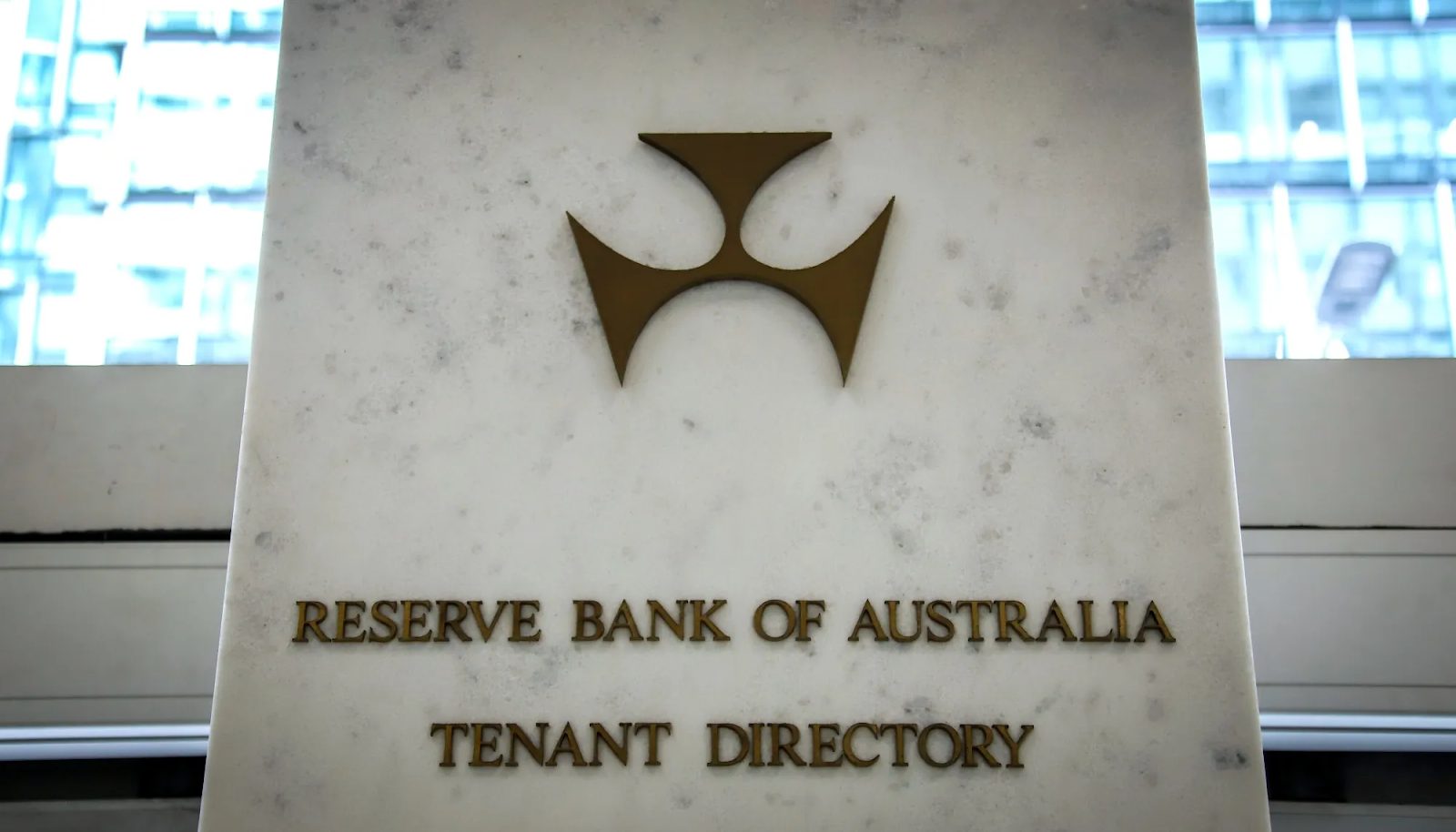
Australia's Central Bank Progresses Project Acacia Testing for CBDC Asset SettlementSource: Bloomberg

ASIC Enables Real-Money CBDC Testing Through Regulatory Relief

The regulatory relief allows participants to conduct tokenized asset transactions using CBDCs between financial institutions without standard licensing requirements during the pilot period.

ASIC Commissioner Kate O’Rourke noted that the relief instrument will enable wholesale market testing of technologies that could potentially boost efficiency and foster economic growth.

Selected participants include major Australian banks such as Commonwealth Bank, ANZ, and Westpac, alongside specialized firms like Australian Bond Exchange, Fireblocks, and Zerocap.

Brad Jones, Assistant Governor for Financial System at the RBA, emphasized the strategic importance of ensuring Australia’s monetary arrangements remain fit for purpose in the digital age.

Jones described Project Acacia as “an opportunity for further collaborative exploration on tokenized asset markets and the future of money by the public and private sectors in Australia,” with use cases designed to help the RBA better understand innovations in both central bank and private digital money.

Professor Talis Putnins from the Digital Finance Cooperative Research Centre also highlighted the potential economic impact.

He referenced recent research suggesting potential economic gains in markets and cross-border payments could reach AU$19 billion annually.

Australia Pursues Wholesale CBDC Strategy Amid Global Digital Currency Race

Project Acacia builds on Australia’s September 2024 decision to prioritize wholesale CBDC development over retail applications due to greater economic benefits.

The initiative aligns with global trends, as 134 countries representing 98% of the global economy are exploring CBDCs, according to research by the Atlantic Council.

The competitive pressure is particularly evident in the Asia-Pacific region, where China’s digital yuan transactions reached $986 billion by June 2024 across 17 regions and 44 countries currently running CBDC pilot programs of varying scales and ambitions.

Cross-border wholesale CBDC projects have more than doubled globally, with initiatives like Project mBridge connecting financial institutions across multiple jurisdictions.

Australia’s comprehensive digital asset framework encompasses tokenization, real-world assets, and CBDC integration within broader efforts to modernize the financial system.

However, challenges remain complex, as David Lavecky, head of Canvas, previously told Cryptonews that the Reserve Bank of Australia’s approach to issuing eAUD is “multifaceted,” with several legal, regulatory, and operational hurdles still to overcome.

Organizers have described Project Acacia’s real-money settlement testing on third-party platforms as another world-first for Australia in the digital finance industry.

Market Opportunity
Threshold Logo
Threshold Price(T)
$0,007729
$0,007729$0,007729
+%0,25
USD
Threshold (T) Live Price Chart
Disclaimer: The articles reposted on this site are sourced from public platforms and are provided for informational purposes only. They do not necessarily reflect the views of MEXC. All rights remain with the original authors. If you believe any content infringes on third-party rights, please contact [email protected] for removal. MEXC makes no guarantees regarding the accuracy, completeness, or timeliness of the content and is not responsible for any actions taken based on the information provided. The content does not constitute financial, legal, or other professional advice, nor should it be considered a recommendation or endorsement by MEXC.

You May Also Like

CEO Sandeep Nailwal Shared Highlights About RWA on Polygon

CEO Sandeep Nailwal Shared Highlights About RWA on Polygon

The post CEO Sandeep Nailwal Shared Highlights About RWA on Polygon appeared on BitcoinEthereumNews.com. Polygon CEO Sandeep Nailwal highlighted Polygon’s lead in global bonds, Spiko US T-Bill, and Spiko Euro T-Bill. Polygon published an X post to share that its roadmap to GigaGas was still scaling. Sentiments around POL price were last seen to be bearish. Polygon CEO Sandeep Nailwal shared key pointers from the Dune and RWA.xyz report. These pertain to highlights about RWA on Polygon. Simultaneously, Polygon underlined its roadmap towards GigaGas. Sentiments around POL price were last seen fumbling under bearish emotions. Polygon CEO Sandeep Nailwal on Polygon RWA CEO Sandeep Nailwal highlighted three key points from the Dune and RWA.xyz report. The Chief Executive of Polygon maintained that Polygon PoS was hosting RWA TVL worth $1.13 billion across 269 assets plus 2,900 holders. Nailwal confirmed from the report that RWA was happening on Polygon. The Dune and https://t.co/W6WSFlHoQF report on RWA is out and it shows that RWA is happening on Polygon. Here are a few highlights: – Leading in Global Bonds: Polygon holds 62% share of tokenized global bonds (driven by Spiko’s euro MMF and Cashlink euro issues) – Spiko U.S.… — Sandeep | CEO, Polygon Foundation (※,※) (@sandeepnailwal) September 17, 2025 The X post published by Polygon CEO Sandeep Nailwal underlined that the ecosystem was leading in global bonds by holding a 62% share of tokenized global bonds. He further highlighted that Polygon was leading with Spiko US T-Bill at approximately 29% share of TVL along with Ethereum, adding that the ecosystem had more than 50% share in the number of holders. Finally, Sandeep highlighted from the report that there was a strong adoption for Spiko Euro T-Bill with 38% share of TVL. He added that 68% of returns were on Polygon across all the chains. Polygon Roadmap to GigaGas In a different update from Polygon, the community…
Share
BitcoinEthereumNews2025/09/18 01:10
TRM Labs Becomes Unicorn with 70M$: BTC Fraud Risk

TRM Labs Becomes Unicorn with 70M$: BTC Fraud Risk

The post TRM Labs Becomes Unicorn with 70M$: BTC Fraud Risk appeared on BitcoinEthereumNews.com. TRM Labs Reaches 1 Billion Dollar Valuation Blockchain intelligence
Share
BitcoinEthereumNews2026/02/05 03:33
Bitcoin Set For ‘Promising’ Q4, Next Two Weeks Could Be Decisive

Bitcoin Set For ‘Promising’ Q4, Next Two Weeks Could Be Decisive

The post Bitcoin Set For ‘Promising’ Q4, Next Two Weeks Could Be Decisive appeared on BitcoinEthereumNews.com. Rubmar is a writer and translator who has been a crypto enthusiast for the past four years. Her goal as a writer is to create informative, complete, and easily understandable pieces accessible to those entering the crypto space. After learning about cryptocurrencies in 2019, Rubmar became curious about the world of possibilities the industry offered, quickly learning that financial freedom was at the palm of her hand with the developing technology. From a young age, Rubmar was curious about how languages work, finding special interest in wordplay and the peculiarities of dialects. Her curiosity grew as she became an avid reader in her teenage years. She explored freedom and new words through her favorite books, which shaped her view of the world. Rubmar acquired the necessary skills for in-depth research and analytical thinking at university, where she studied Literature and Linguistics. Her studies have given her a sharp perspective on several topics and allowed her to turn every stone in her investigations. In 2019, she first dipped her toes in the crypto industry when a friend introduced her to Bitcoin and cryptocurrencies, but it wasn’t until 2020 that she started to dive into the depth of the industry. As Rubmar began to understand the mechanics of the crypto sphere, she saw a new world yet to be explored. At the beginning of her crypto voyage, she discovered a new system that allowed her to have control over her finances. As a young adult of the 21st century, Rubmar has faced the challenges of the traditional banking system and the restrictions of fiat money. After the failure of her home country’s economy, the limitations of traditional finances became clear. The bureaucratic, outdated structure made her feel hopeless and powerless amid an aggressive and distorted system created by hyperinflation. However, learning about…
Share
BitcoinEthereumNews2025/09/18 23:00