

Bitcoin Slump Sparks Crisis: South Korean Exchange Volumes Plummet, Threatening Q4 Earnings
BitcoinWorld
Bitcoin Slump Sparks Crisis: South Korean Exchange Volumes Plummet, Threatening Q4 Earnings
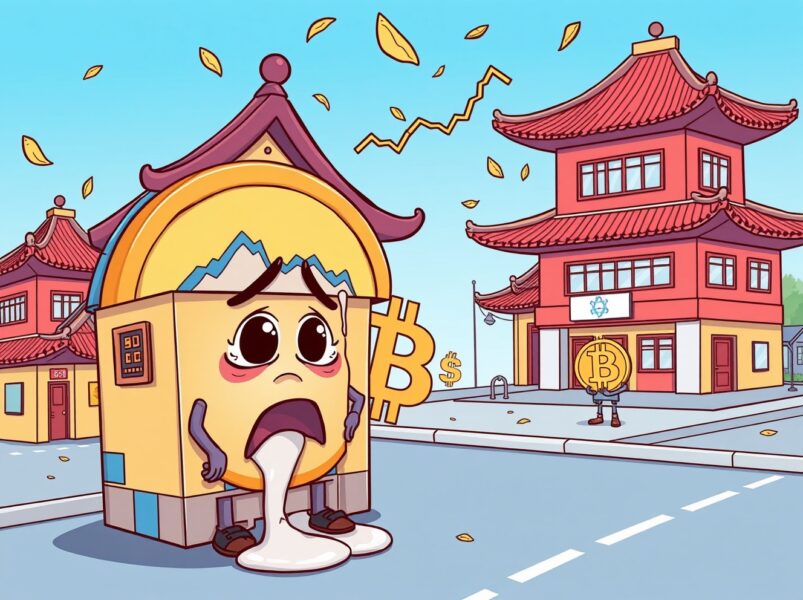
Has the recent Bitcoin price downturn sent shockwaves through a key global market? New data reveals a dramatic contraction in South Korean exchange volumes, raising serious concerns about the financial health of these platforms as the year ends. The direct link between crypto prices, trading activity, and exchange revenue is now on full display, creating a potential earnings crisis.
How Bad Is the Drop in South Korean Exchange Volumes?
According to a report by IT Chosun, the situation is stark. The average daily trading volume on major South Korean cryptocurrency exchanges has fallen sharply. In August, this figure stood at a robust $4.41 billion. By November, however, it had collapsed to just $2.91 billion. This represents a drop of over 30% in just three months, directly mirroring Bitcoin’s own price struggles during the same period.
This isn’t just a minor dip. It’s a significant cooling of one of the world’s most active and retail-driven crypto markets. The contraction in South Korean exchange volumes highlights how sensitive these platforms are to broader market sentiment. When investors turn cautious, trading activity is often the first casualty.
Why Are Q4 Earnings Now at Serious Risk?
The connection is alarmingly simple. For most cryptocurrency exchanges, especially in South Korea, trading fees are the lifeblood of their business model. Market analysts point out that over 98% of revenue for these major exchanges comes directly from these fees. Therefore, when South Korean exchange volumes fall, revenue follows almost immediately.
- Double Whammy Effect: Exchanges face a dual challenge. First, lower trading volume means fewer fee-generating transactions. Second, the declining price of Bitcoin and other assets means the fees collected (often a percentage of trade value) are worth less in absolute terms.
- No Quick Fix: Unlike companies that can sell products or services independently of market cycles, exchanges are intrinsically tied to trader activity. A sustained bear market can quickly erode their quarterly financial performance.
Consequently, experts are predicting a clear slowdown in fourth-quarter earnings reports. The data from November suggests the trend was firmly in place as the quarter closed, setting the stage for potentially disappointing financial disclosures.
What Does This Mean for the Broader Crypto Ecosystem?
The health of major exchanges acts as a barometer for the entire cryptocurrency ecosystem. A decline in South Korean exchange volumes signals reduced retail participation and liquidity in a crucial market. This can have a ripple effect:
- Reduced Market Depth: Lower trading volumes can lead to higher volatility, as large orders have a greater price impact.
- Pressure on Exchange Services: Exchanges facing revenue pressure may slow down new feature rollouts, hiring, or marketing efforts.
- Investor Sentiment Gauge: It serves as a clear indicator that the retail “fear of missing out” (FOMO) has been replaced by caution, impacting momentum.
However, it’s crucial to remember that markets are cyclical. Past periods of low volume have often been followed by renewed surges in activity. The key question is how long this contraction will last and how exchanges will manage their operations through this lean period.
Conclusion: A Sobering Reminder of Market Interdependence
The sharp drop in South Korean exchange volumes provides a sobering, real-time case study in crypto market economics. It underscores the fundamental vulnerability of exchanges whose revenue is almost exclusively tied to transactional activity. For investors, it’s a reminder that exchange stocks or tokens carry inherent cyclical risk. For the market, it highlights the need for robust business models that can weather periods of low volatility and price decline. As the industry matures, navigating these downturns will be a critical test of resilience for platforms worldwide.
Frequently Asked Questions (FAQs)
Q1: Why are South Korean exchanges so dependent on trading fees?
A1: The South Korean crypto market is heavily retail-focused, with exchanges primarily acting as trading platforms. Other revenue streams like staking, lending, or institutional services are less dominant compared to trading, making fee income paramount.
Q2: Could this volume drop affect Bitcoin’s global price?
A2: While South Korea is a significant market, Bitcoin’s global price is influenced by many larger factors, including US institutional flows and macroeconomic conditions. However, a major drop in liquidity from any large market can contribute to increased volatility.
Q3: Are all crypto exchanges affected the same way by price slumps?
A3: No. Exchanges with diversified revenue (e.g., from custody, venture investing, or subscription services) are generally more resilient. The report highlights a particular risk for exchanges with over 98% reliance on trading fees.
Q4: What can exchanges do to protect themselves in such situations?
A4: Exchanges can diversify their product offerings, build reserves during bull markets, control operational costs, and develop services that are useful in both bull and bear markets, like secure custody or educational content.
Q5: Is this volume drop unique to South Korea?
A5: While the data here is specific to South Korea, trading volume contractions often occur globally during crypto market downturns. The high percentage of fee-based revenue makes the South Korean case a particularly clear example of the financial impact.
Q6: Should investors be worried about the safety of their funds on exchanges now?
A6: Financial performance and security are different. Investors should always practice good security hygiene, like using hardware wallets for large, long-term holdings. An exchange’s lower earnings don’t necessarily compromise its security infrastructure, but it emphasizes the importance of choosing well-established, compliant platforms.
Found this analysis of the pressure on South Korean exchange volumes insightful? Help other crypto enthusiasts understand market dynamics by sharing this article on your social media channels.
To learn more about the latest crypto market trends, explore our article on key developments shaping Bitcoin and its influence on global exchange ecosystems.
This post Bitcoin Slump Sparks Crisis: South Korean Exchange Volumes Plummet, Threatening Q4 Earnings first appeared on BitcoinWorld.
You May Also Like

Artificial Intelligence Does Not Replace Work — It Multiplies It

Adoption Leads Traders to Snorter Token
