The post Netflix-Warner Bros. deal: Regulatory questions emerge appeared on BitcoinEthereumNews.com. Logos of Netlfix and Warner Bros. Reuters The Netflix and Warner Bros. Discovery deal came together quickly — but its path to regulatory approval may not be so speedy. Netflix stunned the media industry on Friday when it announced its proposed $72 billion deal to acquire the iconic Warner Bros. film studio and streaming service HBO Max. The combination brings together two of the most popular streaming platforms in the business. Netflix reported 300 million global subscribers as of late 2024, the last time it reported the metric. HBO Max had 128 million customers as of Sept. 30. Netflix currently claims 46% of mobile app monthly active users in global streaming, according to data from market intelligence firm Sensor Tower. Combined with HBO Max, that share would rise to 56%, it found. “This deal cements Netflix’s position as the premier streaming service for original content,” according to a research note from analysts at William Blair on Friday. The size of the deal makes it ripe for scrutiny, from both industry insiders and U.S. lawmakers. The Trump administration is viewing the merger with “heavy skepticism,” CNBC reported Friday, and Sen. Elizabeth Warren has already called for an antitrust review. “This deal looks like an anti-monopoly nightmare. A Netflix-Warner Bros. would create one massive media giant with control of close to half of the streaming market — threatening to force Americans into higher subscription prices and fewer choices over what and how they watch, while putting American workers at risk,” Warren, a Democrat from Massachusetts, said in a statement. The merger would also give Netflix control over the famed Warner Bros. film studio, further consolidating the cinematic space and raising concerns that the number or typical windowing of popular releases could shrink. It’s typical in the days and weeks following a deal… The post Netflix-Warner Bros. deal: Regulatory questions emerge appeared on BitcoinEthereumNews.com. Logos of Netlfix and Warner Bros. Reuters The Netflix and Warner Bros. Discovery deal came together quickly — but its path to regulatory approval may not be so speedy. Netflix stunned the media industry on Friday when it announced its proposed $72 billion deal to acquire the iconic Warner Bros. film studio and streaming service HBO Max. The combination brings together two of the most popular streaming platforms in the business. Netflix reported 300 million global subscribers as of late 2024, the last time it reported the metric. HBO Max had 128 million customers as of Sept. 30. Netflix currently claims 46% of mobile app monthly active users in global streaming, according to data from market intelligence firm Sensor Tower. Combined with HBO Max, that share would rise to 56%, it found. “This deal cements Netflix’s position as the premier streaming service for original content,” according to a research note from analysts at William Blair on Friday. The size of the deal makes it ripe for scrutiny, from both industry insiders and U.S. lawmakers. The Trump administration is viewing the merger with “heavy skepticism,” CNBC reported Friday, and Sen. Elizabeth Warren has already called for an antitrust review. “This deal looks like an anti-monopoly nightmare. A Netflix-Warner Bros. would create one massive media giant with control of close to half of the streaming market — threatening to force Americans into higher subscription prices and fewer choices over what and how they watch, while putting American workers at risk,” Warren, a Democrat from Massachusetts, said in a statement. The merger would also give Netflix control over the famed Warner Bros. film studio, further consolidating the cinematic space and raising concerns that the number or typical windowing of popular releases could shrink. It’s typical in the days and weeks following a deal…

Netflix-Warner Bros. deal: Regulatory questions emerge

2025/12/06 04:45

Logos of Netlfix and Warner Bros.

Reuters

The Netflix and Warner Bros. Discovery deal came together quickly — but its path to regulatory approval may not be so speedy.

Netflix stunned the media industry on Friday when it announced its proposed $72 billion deal to acquire the iconic Warner Bros. film studio and streaming service HBO Max. The combination brings together two of the most popular streaming platforms in the business. Netflix reported 300 million global subscribers as of late 2024, the last time it reported the metric. HBO Max had 128 million customers as of Sept. 30.

Netflix currently claims 46% of mobile app monthly active users in global streaming, according to data from market intelligence firm Sensor Tower. Combined with HBO Max, that share would rise to 56%, it found.

“This deal cements Netflix’s position as the premier streaming service for original content,” according to a research note from analysts at William Blair on Friday.

The size of the deal makes it ripe for scrutiny, from both industry insiders and U.S. lawmakers.

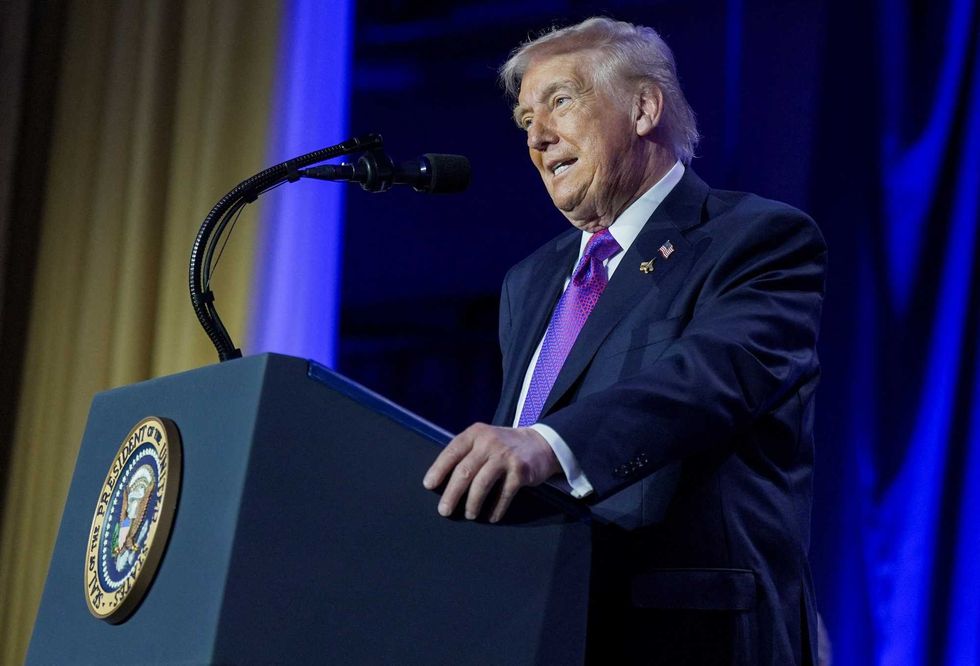
The Trump administration is viewing the merger with “heavy skepticism,” CNBC reported Friday, and Sen. Elizabeth Warren has already called for an antitrust review.

“This deal looks like an anti-monopoly nightmare. A Netflix-Warner Bros. would create one massive media giant with control of close to half of the streaming market — threatening to force Americans into higher subscription prices and fewer choices over what and how they watch, while putting American workers at risk,” Warren, a Democrat from Massachusetts, said in a statement.

The merger would also give Netflix control over the famed Warner Bros. film studio, further consolidating the cinematic space and raising concerns that the number or typical windowing of popular releases could shrink.

It’s typical in the days and weeks following a deal announcement of this scale for interest groups, politicians and corporate competitors to call foul on antitrust grounds.

The Department of Justice is most likely to review the deal, as it has other media mergers in the past, and it could take some time. DOJ reviews can take anywhere from months to more than a year.

Netflix said Friday it expects the transaction to close in 12 to 18 months, after Warner Bros. Discovery spins out its portfolio of cable networks into Discovery Global.

Netflix confidence

Ted Sarandos, co-chief executive officer of Netflix , attends the annual Allen & Co. Media and Technology Conference in Sun Valley, Idaho on July 11th, 2025.

David A. Grogan | CNBC

Netflix executives on Friday said they were “highly confident” the deal would win regulatory approval.

“You know, this deal is pro-consumer, pro-innovation, pro-worker, it’s pro-creator, it’s pro-growth,” Netflix co-CEO Ted Sarandos said during an investor call following the acquisition announcement.

“Our plans here are to work really closely with all the appropriate governments and regulators, but [we’re] really confident that we’re going to get all the necessary approvals that we need,” Sarandos added.

As part of the deal, Netflix has agreed to pay a $5.8 billion breakup fee to Warner Bros. Discovery if the deal were to get blocked by the government.

Netflix’s bid won out over competing offers from Paramount Skydance and Comcast.

Analysts at Deutsche Bank and William Blair were at least minimally convinced Friday of the potential for the deal to go through.

“A merger of Warner Bros. Discovery and any of the three bidders would probably succeed, even if the DOJ were to sue to block a proposed combination,” Deutsche Bank analysts wrote in a note on Friday, citing insights from a Department of Justice veteran who the analysts said “does not see any significant antitrust problems with any of the three scenarios.”

“However … we don’t know all of the detailed facts that will be collected and analyzed by the DOJ, nor do we know who the judge hearing the case will be, and both of these factors can have an impact on the outcome,” the Deutsche Bank analysts noted.

Paramount, for its part, has been fanning the flames.

Paramount’s lawyers sent a letter to Warner Bros. Discovery this week, first reported by CNBC, in which it argued the sale process had been rigged in Netflix’s direction. The Wall Street Journal reported that in a separate letter, Paramount said a Netflix transaction would likely “never close” because of regulatory headwinds.

Paramount was the only bidder looking to buy WBD’s massive portfolio of pay-TV networks — and it’s unlikely to walk away from the process quietly.

Not so fast

Oracle co-founder, CTO and Executive Chairman Larry Ellison (C), U.S. President Donald Trump, OpenAI CEO Sam Altman (R), and SoftBank CEO Masayoshi Son (2nd-R), share a laugh as Ellison uses a stool to stand on as he speaks during a news conference in the Roosevelt Room of the White House on January 21, 2025 in Washington, DC. Trump announced an investment in artificial intelligence (AI) infrastructure and took questions on a range of topics including his presidential pardons of Jan. 6 defendants, the war in Ukraine, cryptocurrencies and other topics.

Andrew Harnik | Getty Images

Wall Street expected President Donald Trump’s second term to usher in a windfall of dealmaking. However, economic uncertainty has slowed the process for some companies, and regulatory holdups have played a bigger role than anticipated.

“Under Donald Trump, the antitrust review process has also become a cesspool of political favoritism and corruption,” Warren said in Friday’s statement. “The Justice Department must enforce our nation’s anti-monopoly laws fairly and transparently — not use the Warner Bros. deal review to invite influence-peddling and bribery.”

Paramount’s merger with Skydance was left in limbo for more than a year before it finally won federal approval in July.

The Federal Communications Commission (which is unlikely to review the Netflix-WBD tie-up since it doesn’t involve a broadcaster) signed off on the $8 billion merger shortly after Paramount agreed to pay $16 million to Trump to settle a lawsuit over the editing of a “60 Minutes” interview with former Vice President Kamala Harris. Paramount had also ended its diversity, equity and inclusion policies earlier in the year after the FCC said it would investigate the company over its DEI programs.

In September, the newly combined Paramount Skydance, run by David Ellison, set its sights on Warner Bros. Discovery. The company is now considering whether to take a hostile bid straight to WBD shareholders and try to unseat Netflix as the would-be buyer, CNBC reported Friday.

Ellison’s billionaire father, Oracle co-founder Larry Ellison, is known to be close with Trump.

The argument for whether to clear Netflix’s proposed takeover of Warner Bros. would likely come down to questions around streaming — first, on pricing for consumers, and second, on how to define Netflix’s audience.

The pricing of streaming subscriptions has risen across the board in recent years. In 2022 Netflix instituted a cheaper, ad-supported model after years of resistance in an effort to beckon more customers. The following year, Disney followed with its own more-affordable plan.

Netflix is used to upending the legacy media industry. The company ended its DVD rentals business in 2023 and went all in on streaming. It’s since found massive scale and has taken over the zeitgeist with original series like “Squid Game,” “Wednesday,” “Stranger Things,” and “Bridgerton.”

Its maverick approach to media and its broadening foothold in the industry may be its saving grace in the eyes of regulators.

“My expectation on the regulatory side is Netflix is going to advocate and argue with their advisors for a very expansive definition of what their market is … so that would include broadcast, cable, subscription and ad-supported streaming,” said said Jeff Goldstein, a partner and managing director at AlixPartners, and co-lead of the U.S. Media group.

“And really, really, really importantly, that would include YouTube,” he said.

YouTube has come to dominate the industry when it comes to viewership. Nielsen once again reported in October than YouTube had the largest share of TV usage, with Netflix in sixth place and Warner Bros. Discovery in seventh place. Traditional media companies with linear networks — Disney, NBCUniversal, Fox and Paramount — filled the spots in between.

Critics of the deal will define Netflix’s reach more narrowly to try to demonstrate outsized dominance, said Goldstein.

“I believe that streaming is not a category. Television viewership is a category … you know, eyeballs might be a category,” media industry titan John Malone told CNBC in November when asked about antitrust questions surrounding the WBD sale process.

“But if you’re going to broaden the category to that, you got to take in YouTube and Facebook and the social networks, TikTok,” he said. “I mean, that’s really the question, is streaming a category? … Are studios a category … and is that going to get looked at hard? These regulatory things are a little bit difficult to predict.”

— CNBC’s Julia Boorstin contributed to this report.

Disclosure: Comcast is the parent company of NBCUniversal, which owns CNBC. Versant would become the new parent company of CNBC upon Comcast’s planned spinoff of Versant.

Source: https://www.cnbc.com/2025/12/05/netflix-warner-bros-deal-regulatory-questions.html

Disclaimer: The articles reposted on this site are sourced from public platforms and are provided for informational purposes only. They do not necessarily reflect the views of MEXC. All rights remain with the original authors. If you believe any content infringes on third-party rights, please contact [email protected] for removal. MEXC makes no guarantees regarding the accuracy, completeness, or timeliness of the content and is not responsible for any actions taken based on the information provided. The content does not constitute financial, legal, or other professional advice, nor should it be considered a recommendation or endorsement by MEXC.

You May Also Like

Unprecedented Surge: Gold Price Hits Astounding New Record High

Unprecedented Surge: Gold Price Hits Astounding New Record High

BitcoinWorld Unprecedented Surge: Gold Price Hits Astounding New Record High While the world often buzzes with the latest movements in Bitcoin and altcoins, a traditional asset has quietly but powerfully commanded attention: gold. This week, the gold price has once again made headlines, touching an astounding new record high of $3,704 per ounce. This significant milestone reminds investors, both traditional and those deep in the crypto space, of gold’s enduring appeal as a store of value and a hedge against uncertainty. What’s Driving the Record Gold Price Surge? The recent ascent of the gold price to unprecedented levels is not a random event. Several powerful macroeconomic forces are converging, creating a perfect storm for the precious metal. Geopolitical Tensions: Escalating conflicts and global instability often drive investors towards safe-haven assets. Gold, with its long history of retaining value during crises, becomes a preferred choice. Inflation Concerns: Persistent inflation in major economies erodes the purchasing power of fiat currencies. Consequently, investors seek assets like gold that historically maintain their value against rising prices. Central Bank Policies: Many central banks globally are accumulating gold at a significant pace. This institutional demand provides a strong underlying support for the gold price. Furthermore, expectations around interest rate cuts in the future also make non-yielding assets like gold more attractive. These factors collectively paint a picture of a cautious market, where investors are looking for stability amidst a turbulent economic landscape. Understanding Gold’s Appeal in Today’s Market For centuries, gold has held a unique position in the financial world. Its latest record-breaking performance reinforces its status as a critical component of a diversified portfolio. Gold offers a tangible asset that is not subject to the same digital vulnerabilities or regulatory shifts that can impact cryptocurrencies. While digital assets offer exciting growth potential, gold provides a foundational stability that appeals to a broad spectrum of investors. Moreover, the finite supply of gold, much like Bitcoin’s capped supply, contributes to its perceived value. The current market environment, characterized by economic uncertainty and fluctuating currency values, only amplifies gold’s intrinsic benefits. It serves as a reliable hedge when other asset classes, including stocks and sometimes even crypto, face downward pressure. How Does This Record Gold Price Impact Investors? A soaring gold price naturally raises questions for investors. For those who already hold gold, this represents a significant validation of their investment strategy. For others, it might spark renewed interest in this ancient asset. Benefits for Investors: Portfolio Diversification: Gold often moves independently of other asset classes, offering crucial diversification benefits. Wealth Preservation: It acts as a robust store of value, protecting wealth against inflation and economic downturns. Liquidity: Gold markets are highly liquid, allowing for relatively easy buying and selling. Challenges and Considerations: Opportunity Cost: Investing in gold means capital is not allocated to potentially higher-growth assets like equities or certain cryptocurrencies. Volatility: While often seen as stable, gold prices can still experience significant fluctuations, as evidenced by its rapid ascent. Considering the current financial climate, understanding gold’s role can help refine your overall investment approach. Looking Ahead: The Future of the Gold Price What does the future hold for the gold price? While no one can predict market movements with absolute certainty, current trends and expert analyses offer some insights. Continued geopolitical instability and persistent inflationary pressures could sustain demand for gold. Furthermore, if global central banks continue their gold acquisition spree, this could provide a floor for prices. However, a significant easing of inflation or a de-escalation of global conflicts might reduce some of the immediate upward pressure. Investors should remain vigilant, observing global economic indicators and geopolitical developments closely. The ongoing dialogue between traditional finance and the emerging digital asset space also plays a role. As more investors become comfortable with both gold and cryptocurrencies, a nuanced understanding of how these assets complement each other will be crucial for navigating future market cycles. The recent surge in the gold price to a new record high of $3,704 per ounce underscores its enduring significance in the global financial landscape. It serves as a powerful reminder of gold’s role as a safe haven asset, a hedge against inflation, and a vital component for portfolio diversification. While digital assets continue to innovate and capture headlines, gold’s consistent performance during times of uncertainty highlights its timeless value. Whether you are a seasoned investor or new to the market, understanding the drivers behind gold’s ascent is crucial for making informed financial decisions in an ever-evolving world. Frequently Asked Questions (FAQs) Q1: What does a record-high gold price signify for the broader economy? A record-high gold price often indicates underlying economic uncertainty, inflation concerns, and geopolitical instability. Investors tend to flock to gold as a safe haven when they lose confidence in traditional currencies or other asset classes. Q2: How does gold compare to cryptocurrencies as a safe-haven asset? Both gold and some cryptocurrencies (like Bitcoin) are often considered safe havens. Gold has a centuries-long history of retaining value during crises, offering tangibility. Cryptocurrencies, while newer, offer decentralization and can be less susceptible to traditional financial system failures, but they also carry higher volatility and regulatory risks. Q3: Should I invest in gold now that its price is at a record high? Investing at a record high requires careful consideration. While the price might continue to climb due to ongoing market conditions, there’s also a risk of a correction. It’s crucial to assess your personal financial goals, risk tolerance, and consider diversifying your portfolio rather than putting all your capital into a single asset. Q4: What are the main factors that influence the gold price? The gold price is primarily influenced by global economic uncertainty, inflation rates, interest rate policies by central banks, the strength of the U.S. dollar, and geopolitical tensions. Demand from jewelers and industrial uses also play a role, but investment and central bank demand are often the biggest drivers. Q5: Is gold still a good hedge against inflation? Historically, gold has proven to be an effective hedge against inflation. When the purchasing power of fiat currencies declines, gold tends to hold its value or even increase, making it an attractive asset for preserving wealth during inflationary periods. To learn more about the latest crypto market trends, explore our article on key developments shaping Bitcoin’s price action. This post Unprecedented Surge: Gold Price Hits Astounding New Record High first appeared on BitcoinWorld.
Share
Coinstats2025/09/18 02:30