BitcoinWorld Shocking Revelation: UXLINK Hacker Executes $5.38 Million Bitcoin and Ethereum Purchase In a stunning move that has sent ripples through the crypto community, an address linked to the UXLINK hacker has executed a massive purchase of Bitcoin and Ethereum. According to blockchain analytics firm Lookonchain, this entity spent a staggering $5.38 million on two of the world’s largest cryptocurrencies just hours ago. This transaction raises critical […] This post Shocking Revelation: UXLINK Hacker Executes $5.38 Million Bitcoin and Ethereum Purchase first appeared on BitcoinWorld.BitcoinWorld Shocking Revelation: UXLINK Hacker Executes $5.38 Million Bitcoin and Ethereum Purchase In a stunning move that has sent ripples through the crypto community, an address linked to the UXLINK hacker has executed a massive purchase of Bitcoin and Ethereum. According to blockchain analytics firm Lookonchain, this entity spent a staggering $5.38 million on two of the world’s largest cryptocurrencies just hours ago. This transaction raises critical […] This post Shocking Revelation: UXLINK Hacker Executes $5.38 Million Bitcoin and Ethereum Purchase first appeared on BitcoinWorld.

Shocking Revelation: UXLINK Hacker Executes $5.38 Million Bitcoin and Ethereum Purchase

2025/12/03 00:30
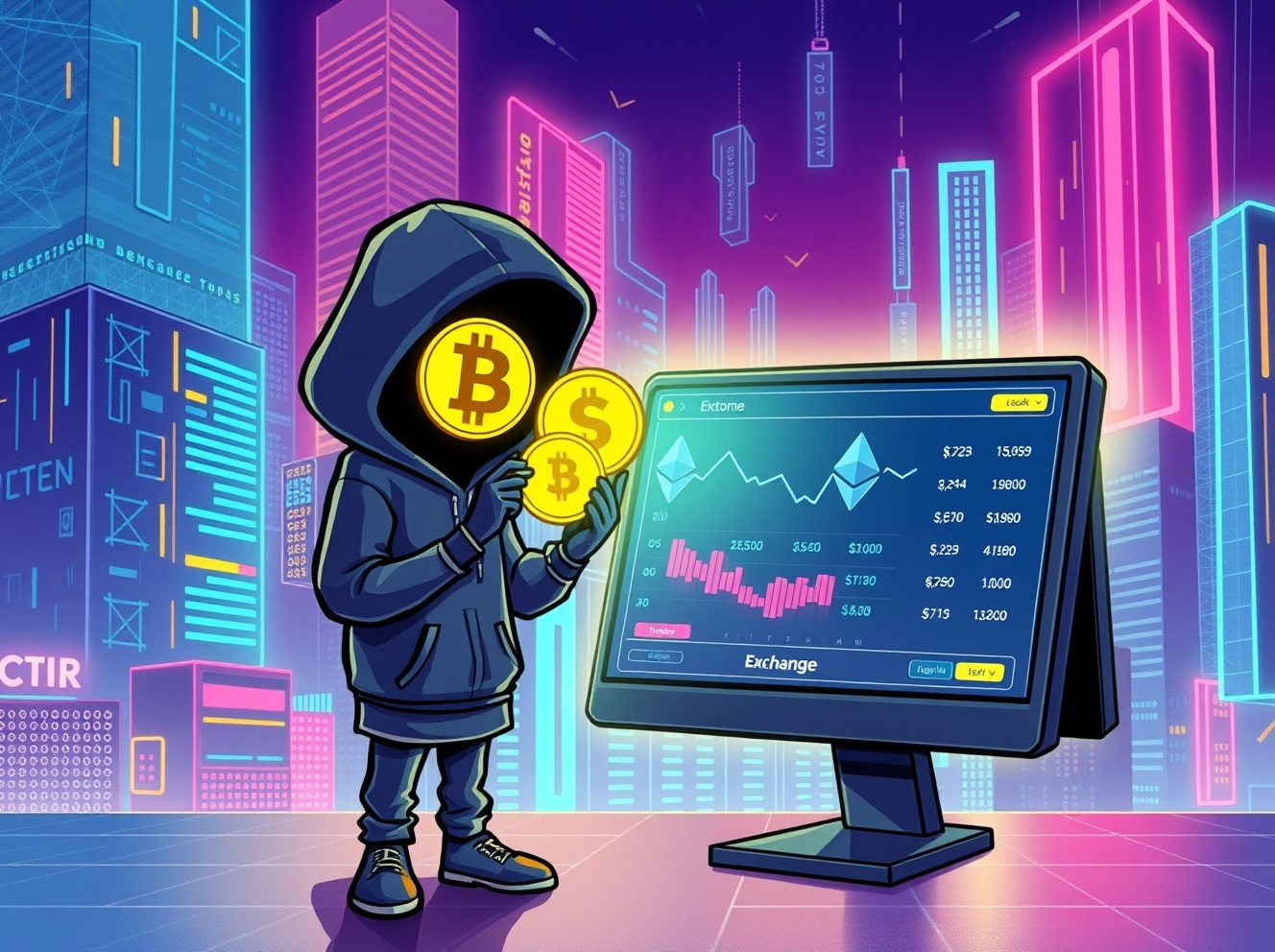
A cartoon UXLINK hacker executing a multi-million dollar cryptocurrency transaction on a decentralized exchange.

BitcoinWorld

Shocking Revelation: UXLINK Hacker Executes $5.38 Million Bitcoin and Ethereum Purchase

In a stunning move that has sent ripples through the crypto community, an address linked to the UXLINK hacker has executed a massive purchase of Bitcoin and Ethereum. According to blockchain analytics firm Lookonchain, this entity spent a staggering $5.38 million on two of the world’s largest cryptocurrencies just hours ago. This transaction raises critical questions about fund movement, security, and the evolving tactics of bad actors in the decentralized space.

What Did the UXLINK Hacker Actually Buy?

The details of the purchase are precise and substantial. The UXLINK hacker-associated address did not make a small, speculative trade. Instead, they acquired a significant portfolio through the decentralized exchange Cow Protocol. The breakdown of their acquisition is clear:

  • 702.5 Ethereum (ETH): Worth approximately $2 million, bought at an average price of $2,847 per ETH.
  • 38.2 Bitcoin (BTC): Worth about $3.38 million, purchased at an average price of $88,530 per BTC.

This two-hour-old transaction demonstrates a deliberate strategy to convert assets into the two most established cryptocurrencies. The use of Cow Protocol, a DEX known for its focus on MEV protection and better prices, suggests a sophisticated understanding of the trading landscape.

Why Is This UXLINK Hacker Transaction So Significant?

This isn’t just another large crypto trade. The involvement of a known UXLINK hacker address adds layers of intrigue and concern. First, it shows that funds from previous exploits are actively being moved and reshuffled. Second, the choice of assets—BTC and ETH—is telling. These are considered “blue-chip” cryptocurrencies, often seen as more stable stores of value or liquidity within the crypto ecosystem. This move could indicate an intent to hold, launder, or further leverage these funds.

Furthermore, the transaction highlights the ongoing challenge of tracking and preventing the flow of illicit funds in a permissionless system. While the transaction is transparent on the blockchain, attributing it to a real-world identity remains difficult.

What Does This Mean for Crypto Security and Investors?

For the average investor, this news serves as a powerful reminder of the risks inherent in the crypto world. The actions of a UXLINK hacker can impact market perception and, potentially, asset prices. More importantly, it underscores the critical need for robust security practices at all levels—from protocol developers to end-users.

  • For Protocols: Continuous security audits and proactive vulnerability management are non-negotiable.
  • For Investors: Diligence is key. Research projects thoroughly, use hardware wallets for significant holdings, and be wary of offers that seem too good to be true.
  • For the Ecosystem: This event reinforces the importance of decentralized analytics and community vigilance in monitoring suspicious activities.

Key Takeaways from the $5.38 Million Move

This transaction is a case study in modern crypto dynamics. The UXLINK hacker demonstrated specific knowledge by using a DEX that minimizes price slippage and front-running for such a large order. The scale of the purchase shows that substantial capital from exploits remains in circulation, capable of influencing markets. Ultimately, it’s a stark lesson that blockchain’s transparency does not automatically equate to security or easy accountability.

In conclusion, the multi-million dollar purchase by the UXLINK hacker is more than a headline. It is a significant event that connects the dots between security breaches, fund movement, and market activity. It reminds us that the decentralized frontier, while full of opportunity, also requires constant vigilance. The community’s ability to track, analyze, and learn from such actions is what will strengthen the ecosystem’s defenses over time.

Frequently Asked Questions (FAQs)

Q1: Who is the UXLINK hacker?
A1: The “UXLINK hacker” refers to an unknown entity or group associated with a security exploit or attack on the UXLINK protocol. The specific details of the original hack are not covered in this article, which focuses on their recent transaction activity.

Q2: What is Cow Protocol?
A2: Cow Protocol is a decentralized exchange (DEX) aggregator that uses batch auctions to settle trades. It is designed to provide better prices and protect users from Maximal Extractable Value (MEV), making it a strategic choice for large, sensitive transactions.

Q3: Can the stolen funds be recovered or frozen?
A3: On a truly decentralized blockchain like Ethereum or Bitcoin, once a transaction is confirmed, it is irreversible. Unlike traditional finance, there is no central authority to freeze accounts or reverse transactions, which is a core tenet of decentralization but also a challenge for asset recovery.

Q4: How does Lookonchain track these transactions?
A4: Firms like Lookonchain use blockchain analytics tools to monitor wallet addresses linked to known events (like hacks). They track the flow of funds from these addresses by analyzing public blockchain data, clustering addresses, and identifying patterns in transactions.

Q5: Does this large purchase affect Bitcoin or Ethereum’s price?
A5: A single $5.38 million purchase is relatively small compared to the total daily trading volume of BTC and ETH. While it is unlikely to cause a major market shift on its own, a series of such movements or the revelation of a larger strategy could influence market sentiment.

Q6: What should I do if I’m invested in UXLINK?
A6> If you hold UXLINK tokens or are involved in its ecosystem, you should follow official communication channels from the UXLINK team for updates regarding the security incident and any mitigation steps. Always prioritize security for your own wallets and accounts.

Found this deep dive into the UXLINK hacker’s $5.38 million move insightful? The world of crypto moves fast, and knowledge is power. Share this article on Twitter or your favorite social media platform to help your network stay informed about major security events and market movements. Let’s build a more aware and secure crypto community together.

To learn more about the latest cryptocurrency security trends, explore our article on key developments shaping blockchain security and institutional adoption.

This post Shocking Revelation: UXLINK Hacker Executes $5.38 Million Bitcoin and Ethereum Purchase first appeared on BitcoinWorld.

Disclaimer: The articles reposted on this site are sourced from public platforms and are provided for informational purposes only. They do not necessarily reflect the views of MEXC. All rights remain with the original authors. If you believe any content infringes on third-party rights, please contact [email protected] for removal. MEXC makes no guarantees regarding the accuracy, completeness, or timeliness of the content and is not responsible for any actions taken based on the information provided. The content does not constitute financial, legal, or other professional advice, nor should it be considered a recommendation or endorsement by MEXC.

You May Also Like

Wormhole launches reserve tying protocol revenue to token

Wormhole launches reserve tying protocol revenue to token

The post Wormhole launches reserve tying protocol revenue to token appeared on BitcoinEthereumNews.com. Wormhole is changing how its W token works by creating a new reserve designed to hold value for the long term. Announced on Wednesday, the Wormhole Reserve will collect onchain and offchain revenues and other value generated across the protocol and its applications (including Portal) and accumulate them into W, locking the tokens within the reserve. The reserve is part of a broader update called W 2.0. Other changes include a 4% targeted base yield for tokenholders who stake and take part in governance. While staking rewards will vary, Wormhole said active users of ecosystem apps can earn boosted yields through features like Portal Earn. The team stressed that no new tokens are being minted; rewards come from existing supply and protocol revenues, keeping the cap fixed at 10 billion. Wormhole is also overhauling its token release schedule. Instead of releasing large amounts of W at once under the old “cliff” model, the network will shift to steady, bi-weekly unlocks starting October 3, 2025. The aim is to avoid sharp periods of selling pressure and create a more predictable environment for investors. Lockups for some groups, including validators and investors, will extend an additional six months, until October 2028. Core contributor tokens remain under longer contractual time locks. Wormhole launched in 2020 as a cross-chain bridge and now connects more than 40 blockchains. The W token powers governance and staking, with a capped supply of 10 billion. By redirecting fees and revenues into the new reserve, Wormhole is betting that its token can maintain value as demand for moving assets and data between chains grows. This is a developing story. This article was generated with the assistance of AI and reviewed by editor Jeffrey Albus before publication. Get the news in your inbox. Explore Blockworks newsletters: Source: https://blockworks.co/news/wormhole-launches-reserve
Share
BitcoinEthereumNews2025/09/18 01:55
When Your Mom Can Use DePIN, Mass Adoption Has Arrived

When Your Mom Can Use DePIN, Mass Adoption Has Arrived

The post When Your Mom Can Use DePIN, Mass Adoption Has Arrived appeared on BitcoinEthereumNews.com. In a perfect world, the internet works like tap water: you turn it on, and it flows. Seamlessly. Nobody really wants to think about a ‘better connection spot,’ SIM cards, or the nearest cell towers. Users just want a fast, stable connection wherever they are. The good thing is they’re quietly getting it without even knowing it. The internet we have is broken (and expensive) Traditional telecom infrastructure is heavy and expensive. Every tower requires a site lease, permits, maintenance, and marketing. Every expansion takes months or years (of both construction and red tape) and can cost from $5 million to $100 million, which means installing even one small cell tower can drain a business’s finances by up to $300,000. In this system, we’re not really paying for the gigabytes we use — we’re paying for the bureaucracy built around them. This system doesn’t make economic sense anymore. Telecom companies can no longer afford to spend billions on connections that don’t improve and become harder and harder to maintain with more users all over the globe. The good news is that a better alternative is already in people’s homes and devices, even though you don’t see it on billboards. DePIN (Decentralized Physical Infrastructure Networks) is turning the Wi-Fi routers around you into a new kind of connectivity. From towers to routers According to crypto asset manager Grayscale, DePIN is already widely used in day-to-day life, and the company calls it a “significant” investment opportunity. Why? DePIN takes a software-first approach, meaning it uses what already exists. A lightweight app or firmware update turns a regular Wi-Fi router into a small piece of a bigger network. When you’re nearby, your device automatically connects through that router. With DePIN’s rising popularity, people and businesses are already implementing it: Nodle, a smartphone-based DePIN,…
Share
BitcoinEthereumNews2025/12/07 00:07
Two Casascius coins with $2,000 Bitcoin move after 13 years of dormancy

Two Casascius coins with $2,000 Bitcoin move after 13 years of dormancy

The post Two Casascius coins with $2,000 Bitcoin move after 13 years of dormancy appeared on BitcoinEthereumNews.com. Key Takeaways Two Casascius physical Bitcoin coins containing about $2,000 moved after 13 years of dormancy. Casascius coins are rare, physical coins embedding private keys beneath a tamper-evident hologram. Two Casascius physical Bitcoin coins containing approximately $2,000 worth of Bitcoin moved this week after remaining dormant for 13 years, according to Timechain Index founder Sani. Casascius, which creates physical Bitcoins that embed real crypto value through a private key concealed beneath a tamper-evident hologram, allows holders to redeem the associated Bitcoin on the blockchain. The coins include a private key hidden under the hologram, intended to secure the Bitcoin until the owner chooses to access it. These physical Bitcoin coins are considered rare collectibles due to their early issuance, making any movement of such coins a rare occurrence for crypto observers. The coins were among the earliest physical representations of Bitcoin, creating historical artifacts that bridge the digital currency’s early days with its current market presence. Casascius coins and similar physical Bitcoin representations sometimes become active after extended periods of inactivity, typically generating attention within the crypto community when holders decide to access their dormant holdings. Source: https://cryptobriefing.com/casascius-coins-move-dormant-bitcoin-activity-2025/
Share
BitcoinEthereumNews2025/12/07 00:23