

70% Bolivar Collapse: How Bitcoin Became Venezuela’s Lifeline Against Hyperinflation
- Venezuela’s bolivar lost over 70% of its value, pushing citizens toward Bitcoin and stablecoins for daily survival.
- Analyst Alexis Lugo clarifies USDT is not a regulated dollar, highlighting crucial distinctions in Venezuela’s crypto-driven economy.
Venezuela’s local currency, the bolivar, has lost more than 70% of its value since the end of 2024. This depreciation does not constitute a minor fluctuation, but a profound reduction in its purchasing power. As a consequence, the bolivar’s utility for daily transactions and savings has been severely compromised.
The population has begun to seek alternatives in cryptocurrencies, not only as a store of value but also as a viable medium of exchange.
Bitcoin has become a mechanism for households to protect their wealth and receive remittances from abroad, partially bypassing government intermediation and associated fees.
This trend is not limited to individuals with high technological knowledge. Small businesses and educational institutions, including universities, have begun to accept payments and even disburse salaries in crypto assets.
The Expansion of Decentralized Payroll Systems
Alongside citizen adoption, decentralized payroll tools are gaining presence. A growing number of companies are choosing to disburse part or all of salaries in cryptocurrencies. Employees are offered the possibility of receiving their payments in Bitcoin or stablecoins, which are digital assets pegged to stable currencies like the US dollar.
For economies suffering from hyperinflation and strict capital controls, as is the case in Venezuela, this alternative represents a practical solution. It allows workers to preserve the purchasing power of their income, which rapidly erodes when using the local currency.
Lessons for Other Nations in Vulnerable Situations
First, Bitcoin can act as a partial hedge against runaway inflation. It serves as a method for maintaining the value of wealth when local fiat currencies collapse. Citizens can convert their savings into an asset not subject to the uncontrolled printing of money by a central bank.
Second, cryptocurrencies grant a degree of financial autonomy. They allow individuals and businesses to participate in global trade and finance without relying exclusively on local banking, which can become insolvent or be subject to heavy government restrictions. This ability to operate in a parallel global economy is vital in contexts of financial isolation.
Third, for nations with a high volume of citizens living abroad, cryptocurrencies streamline the sending of remittances. Transfers made via the Bitcoin blockchain can be faster and have lower costs compared to traditional money transfer services. This increases the final amount received by families, having a direct impact on their household economies.
Finally, the organic, bottom-up adoption seen in Venezuela indicates that decentralized technology can fill the voids left by formal financial institutions when they become dysfunctional. This adoption model, driven by immediate need rather than speculation, could be replicated in other contexts of economic or financial crisis.
Legal Foundation and Official Recognition
According to Alexis Lugo, cryptocurrency and mining advisor, the use of cryptocurrency is formally permitted within Venezuela. This permission stems from a system for crypto assets issued during the 2017-2018 period. The relevant legislation remains in effect. Lugo specifically noted that this legal framework is both current and legitimate because it was published in the country’s Official Gazette. This publication makes the law enforceable.
A central point in Lugo’s analysis is the distinction between cryptocurrencies and traditional money. He clarified that there is no commodity backing for cryptocurrencies. This statement addresses a common misconception about the source of value for digital assets. His comments are particularly relevant given the widespread use of USDT, in Venezuela. Many people find it easier to access USDT than physical dollar cash.
However, Lugo emphasized a crucial difference. “A USDT is not a dollar,” he stated. The reason for this distinction lies in its regulatory status. USDT tokens are not regulated nor are they issued by the United States Federal Reserve. Instead, USDT belongs to the same broad category as Bitcoin or Ethereum. It is a digital currency that uses cryptographic encryption to secure and verify all its transactions.
Tether (USDT) is supported by a market capitalization of approximately $181.4 billion and a 24-hour trading volume exceeding $162 billion. This level of liquidity underscores its dominance as the primary stablecoin in global cryptocurrency markets.

Functioning as the de facto digital dollar, USDT facilitates institutional and retail settlements, arbitrage operations, and collateral management across both centralized (CEX) and decentralized exchanges (DEX).

In terms of recent developments (as of October 2025), the stablecoin sector surpassed $300 billion in total capitalization, highlighting strong capital inflows and institutional adoption. Tether recently settled a $299.5 million claim with the Celsius bankruptcy estate, raising questions over legal accountability and stablecoin liability frameworks.
Additionally, BlackRock announced entry into the stablecoin market with a redesigned money market fund compliant with the new GENIUS Act, signaling traditional finance’s deepening integration with blockchain liquidity models.
 Source: X
Meanwhile, Tether Gold (XAUT) expanded its footprint as Aurelion Treasury launched Nasdaq’s first gold-backed corporate reserve, valued at $150 million, marking a big move toward asset diversification within Tether’s portfolio.
 Source: X
On the operational front, Rezolve AI acquired Smartpay, a platform managing over $1 billion in annual USDT transactions, to expand AI-driven payments infrastructure in Latin America and Africa—an indicator of Tether’s push into emerging market digital finance.
Daniel M. Wagner, Founder & CEO of Rezolve AI, said:
Tether also made headlines by proposing board candidates for Juventus Football Club, a surprising strategic diversification into European sports investments, further consolidating its global corporate influence.
]]>You May Also Like

Ethereum unveils roadmap focusing on scaling, interoperability, and security at Japan Dev Conference
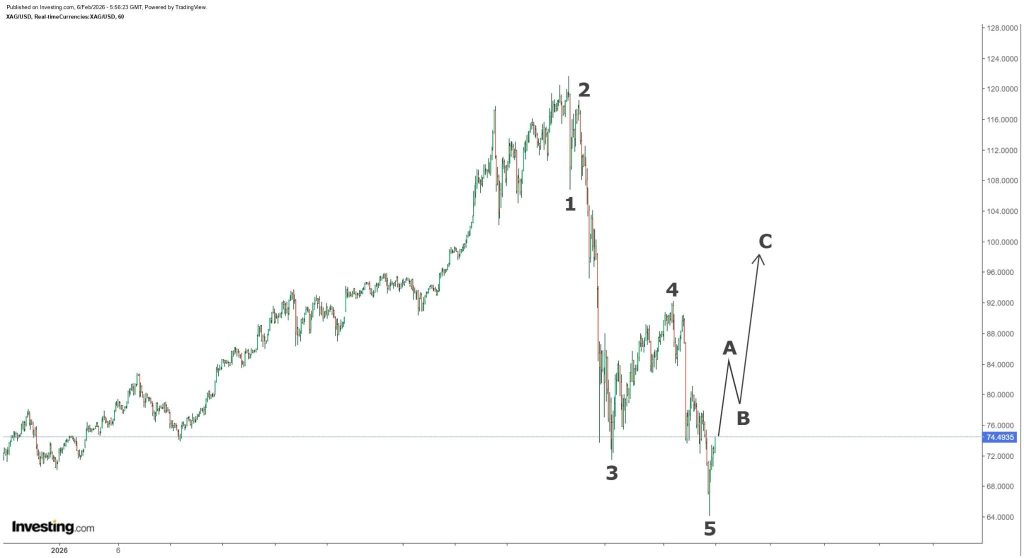
Silver Price Crash Is Over “For Real This Time,” Analyst Predicts a Surge Back Above $90
