

How AI Wearables Are Redefining Privacy Expectations
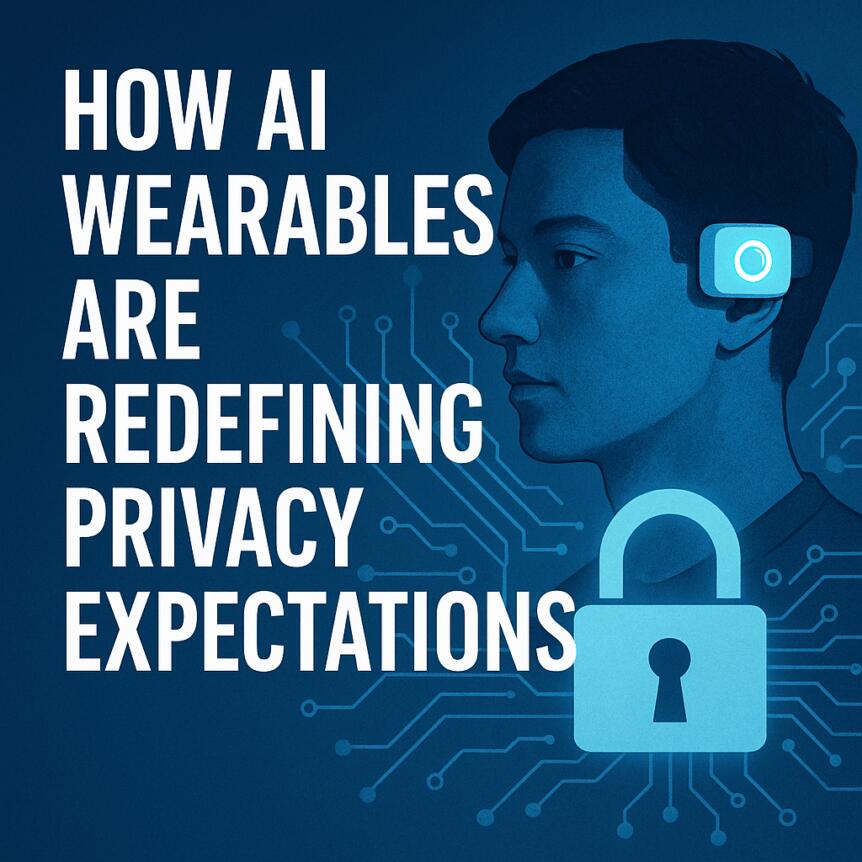
As wearable technology advances and becomes more integrated into our daily lives, the landscape of public surveillance is set for a significant transformation. By 2025, the proliferation of augmented reality devices, smart gadgets, and AI-powered tools will expand the scope of data collection, raising critical questions about privacy, security, and society’s acceptance of pervasive monitoring. Experts emphasize that cryptography, particularly zero-knowledge proofs, will be vital in shaping a new era where surveillance benefits society while safeguarding individual privacy.
- Wearable devices and augmented reality will lead to broader public surveillance, blending technology with everyday life.
- Cryptography—especially zero-knowledge proofs—offers solutions that balance data collection and privacy preservation.
- Legal and ethical debates on privacy continue, but technological innovations are paving the way for more control over personal data.
- Surveillance methods are evolving from traditional eyes and CCTV to AI-powered, decentralized networks.
- Future privacy paradigms hinge on integrating advanced cryptographic techniques with user consent and control.
Surveillance through the ages
Historically, surveillance was limited to what the naked eye could observe, primarily relying on law enforcement and intelligence agencies. Citizens accepted these measures as essential for safety. As technology advanced, with satellite imagery and internet monitoring, societal discomfort grew. CCTV surveillance initially sparked privacy concerns, but over time, many recognized these tools as necessary to combat malicious actors.
Today, we stand at a pivotal point where wearables, decentralized networks, and AI define a new era of surveillance—what some call the “infinite panopticon”—where constant data collection becomes ubiquitous. Devices like Google Glass in 2013 helped normalize technology as an extension of the self, and by 2025, AR headsets and smart devices are commonplace, harvesting data continuously.
Meta’s Ray-Ban Smart Glasses, for example, enable calls and texts, while Apple’s upcoming smart glasses will feature multimodal AI, Siri integration, and environmental analysis—highlighting how tech giants continue to design devices that deepen our data footprint. Unlike traditional advertising-based data monetization, wearables focus on capturing our conversations and emotions, raising questions about privacy and the boundaries of tech-enabled surveillance.
Despite societal acceptance of these innovations, the core challenge remains: balancing technological benefits with privacy rights. Fortunately, cryptography provides promising solutions to mitigate invasiveness while enhancing functionality.
Increasingly perfect technology
The rapid development of monitoring tech has sparked extensive legal and ethical debates. Cases like Snowden’s NSA revelations and the Cambridge Analytica scandal showcased potential abuses, reminding users that their personal data holds significant value. Yet, despite these controversies, many accept digital monitoring in exchange for convenience and benefits, signaling a shift in how we engage with privacy.
This shift empowers users to take control of their digital footprints, influencing how data is collected and used. Central to this transition are cryptographic tools like zero-knowledge (ZK) proofs, allowing verification of data authenticity without revealing sensitive information. For instance, systems can confirm a user’s age or location without exposing actual personal details, fostering trust and security in digital transactions.
This innovative approach could redefine societal norms on privacy, establishing a framework where individuals retain control over their data while still benefiting from the advantages of connected, AI-driven technology. As surveillance infrastructure becomes more sophisticated, cryptography will be fundamental in ensuring these advances serve society responsibly.
Ultimately, the future of digital privacy and surveillance depends on adopting these advanced cryptographic methods, providing a path to secure, privacy-preserving public monitoring that aligns with societal values and technological progress.
This article is for general information purposes and is not intended to be and should not be taken as legal or investment advice. The views, thoughts, and opinions expressed here are the author’s alone and do not necessarily reflect or represent the views and opinions of Cointelegraph.
This article was originally published as How AI Wearables Are Redefining Privacy Expectations on Crypto Breaking News – your trusted source for crypto news, Bitcoin news, and blockchain updates.

You May Also Like

Moonshot MAGAX vs Shiba Inu: The AI-Powered Meme-to-Earn Revolution Challenging a Meme Coin Giant

‘Alien Earth’ Composer Jeff Russo Dives Into Score For FX Series
