

The Future of Information Freedom Might Be 550 Kilometers Above Earth
The modern web has become more fragile in recent years. Servers go down often, domains are taken without warning, and voices are removed from the internet with little chance to fight back. In 2010, the U.S. government took 82 domain names in one action, making whole websites disappear overnight. The hip-hop blog Dajaz1.com was taken and held for over a year based on claims that turned out to be mostly false, as the music on the site was sent by rights holders for promotion. This isn't a one-time event but shows a bigger problem with information freedom today.
The big question is: Can information freedom last when central authorities control the systems that carry information? According to this economist, the answer isn't to fix current systems but to completely change how information is shared. Spacecoin's satellite-based network could be a solution, providing a censorship-resistant system that works outside national control.
\ 
\
Theoretical Overview and Stylized Facts
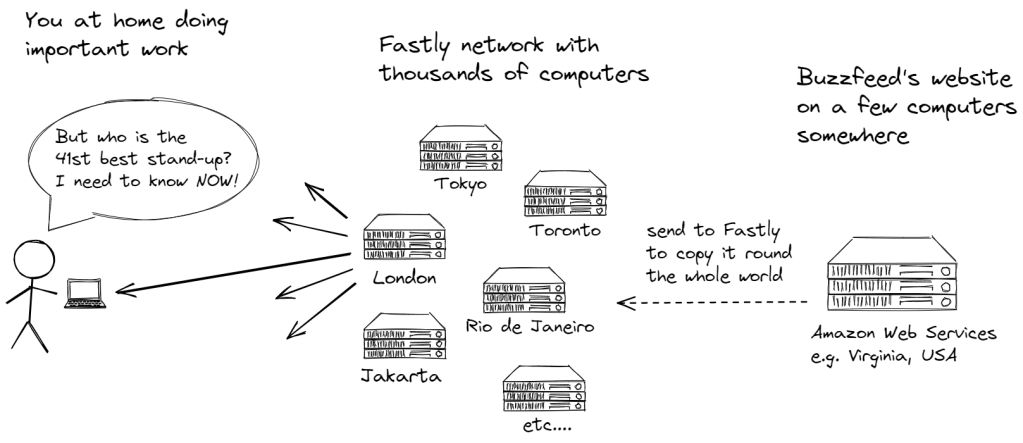
The connection between information infrastructure and freedom of expression comes from communication theory and political economy. Historically, centralized control has allowed censorship, from monopolies on printing presses to domain name seizures. Although the internet began decentralized, it has become more centralized, with a few corporations and governments controlling crucial infrastructure. Today's internet infrastructure has three main vulnerabilities: DNS, controlled by national and international bodies, can suspend domains at government requests; server infrastructure is subject to local laws and seizure; and ISPs can throttle, block, or monitor traffic, creating points where censorship can occur.
https://x.com/fastly/status/1402221348659814411?embedable=true
The Electronic Frontier Foundation reported that domain seizures often capture legitimate content along with infringing material. When OnSmash.com and RapGodfathers.com were seized, entire forums for speech and community discussion were removed. These sites handled copyright notices but were seized without notice. In Nigeria and other developing countries, internet censorship includes shutting down access during elections or protests, throttling social media, and arresting people for online speech. Control over infrastructure like cell towers and ISP licenses gives authorities power over digital communication.
A World Above Jurisdiction: Why Hosting Infrastructure in Orbit Removes National Choke Points
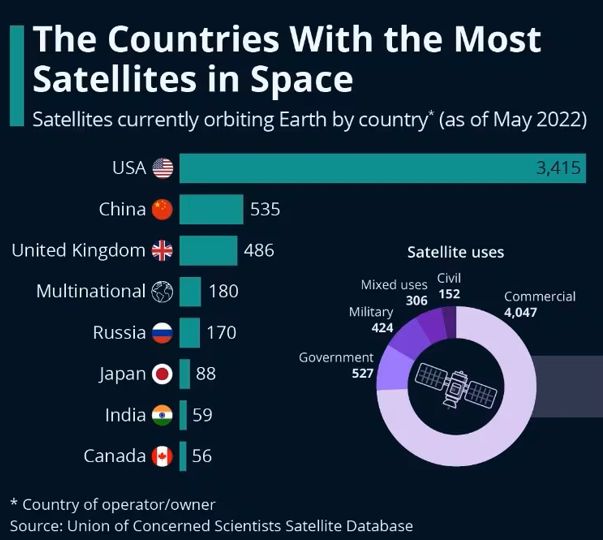
Orbital infrastructure changes how information is controlled. Satellites in low Earth orbit aren't controlled by any country. The 1967 Outer Space Treaty states that space is for everyone and doesn't allow countries to regulate satellites from other places. This makes censorship hard. Governments would have to either jam signals, which breaks international law, or stop people from using receiving equipment, which is difficult and politically costly. These methods aren't as simple as telling a local ISP to block a site or taking a domain name.
\ 
\ The economic impact is big because ground-based infrastructure needs a lot of investment in physical assets, allowing governments to control through licenses or fines. In contrast, orbital infrastructure mainly involves launch and manufacturing costs, with no ongoing control by any jurisdiction. Blocking a website on ground servers is easy and cheap, but blocking satellite-based services is costly and complex, needing expensive jamming equipment or difficult legal actions, making censorship much more expensive.
How Spacecoin's Network Enables Censorship Resistance
1. Satellite-Based Relays for Uncensorable Access
Spacecoin's CTC-0 satellite, launched in December 2024, showed that satellites can transmit encrypted blockchain transactions independently of ground infrastructure. The upcoming CTC-1 constellation in Q4 2025 will enhance this with more satellites, creating multiple communication paths. Users send data to satellites via S-band radio, which is then stored and forwarded to ground stations, bypassing terrestrial internet and avoiding censorship.
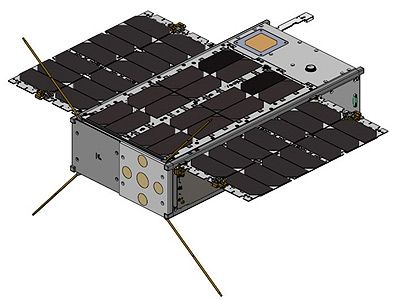
\ The system uses end-to-end encryption, so data remains encrypted until it reaches the recipient. Satellites act as "trust-minimized relays" since they can't read or change the data, only verify its integrity. Satellite operators earn cryptocurrency based on usage, promoting network growth through market-driven deployment. Anyone can deploy satellites using Spacecoin's open standards and earn revenue from their services.
2. Blockchain Verification for Truth Preservation
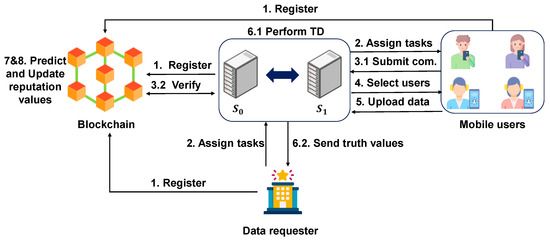
\ Spacecoin uses the Creditcoin blockchain to keep permanent, tamper-proof records of all transactions. Once data is added and verified by the network, it can't be changed or deleted, even by the author. This prevents authorities from erasing or altering records, unlike in centralized systems, where files can be deleted or modified. For whistleblowers and journalists, this means documents on the blockchain, relayed via satellites, remain permanent and uncensorable. Although governments can prosecute leakers, they can't remove the information once it's on the network.
From Banned Media to Whistleblower Archives
https://www.youtube.com/watch?v=u-sLx_I6ii4&embedable=true
Historical events highlight the need for censorship-resistant information systems. During the Arab Spring, governments blocked internet access, but activists used costly and complex alternatives like satellite phones. Spacecoin's architecture aims to simplify this by allowing users to communicate with just a standard receiver, reducing costs significantly.
Consider WikiLeaks, which faced pressure to stop services after publishing classified documents. They had to keep moving between jurisdictions for support. A satellite-based blockchain system would prevent this issue, as documents would stay accessible despite government pressure. Similarly, the Pentagon Papers showed that when one newspaper was stopped, others continued publishing. Spacecoin applies this idea to digital infrastructure, distributing information across orbital nodes to make censorship difficult.
What Happens When No Authority Can Delete Truth?
The ability to permanently preserve information beyond authority raises important questions. It ensures truth-telling and accountability, preventing governments and corporations from erasing evidence. However, it challenges privacy and the "right to be forgotten." Traditional systems balanced these issues through centralized control, allowing authorities to manage content. Decentralized systems shift decisions to individuals and communities, with different trade-offs. Economically, permanent information reduces asymmetries, improving market efficiency and reducing fraud, but it also prevents correcting errors or removing outdated information, possibly creating new inefficiencies.
The political implications are equally significant. Democratic governance depends on informed citizenry, which requires access to accurate information. Censorship-resistant infrastructure strengthens democracy by preventing authorities from controlling the information environment. However, it also prevents intervention against misinformation, creating new challenges for public discourse.
Spacecoin as the Literal High Ground in the Information Wars
This article looked at how Spacecoin's satellite-based network deals with internet censorship. I explained that using satellites changes how easy and cheap it is to control information, making censorship harder and more costly. I believe this technology is a big step forward for information freedom. While there are still challenges like complex regulations, technical scalability, and debates about permanent information, the main idea is strong: spreading information across satellites outside any one country's control helps prevent censorship.
https://www.youtube.com/watch?v=UOYEBOD_JRQ&embedable=true
Governments that support information freedom should help satellite-based networks with good regulations and cooperation. Those wanting control might try to block these systems, creating obstacles. Even those who benefit from control realize that too much censorship can hurt their credibility and push people to other sources. Spacecoin and similar technologies make censorship less popular and harder to enforce.
The real advantage in information battles might be 550 kilometers above Earth, where satellites orbit beyond any single authority's reach, keeping and sharing information that no government can erase.
You May Also Like

Foreigner’s Lou Gramm Revisits The Band’s Classic ‘4’ Album, Now Reissued

One Of Frank Sinatra’s Most Famous Albums Is Back In The Spotlight
