

Federal Reserve Crypto Integration: Nominee’s Pivotal Declaration Reshapes US Financial Future
BitcoinWorld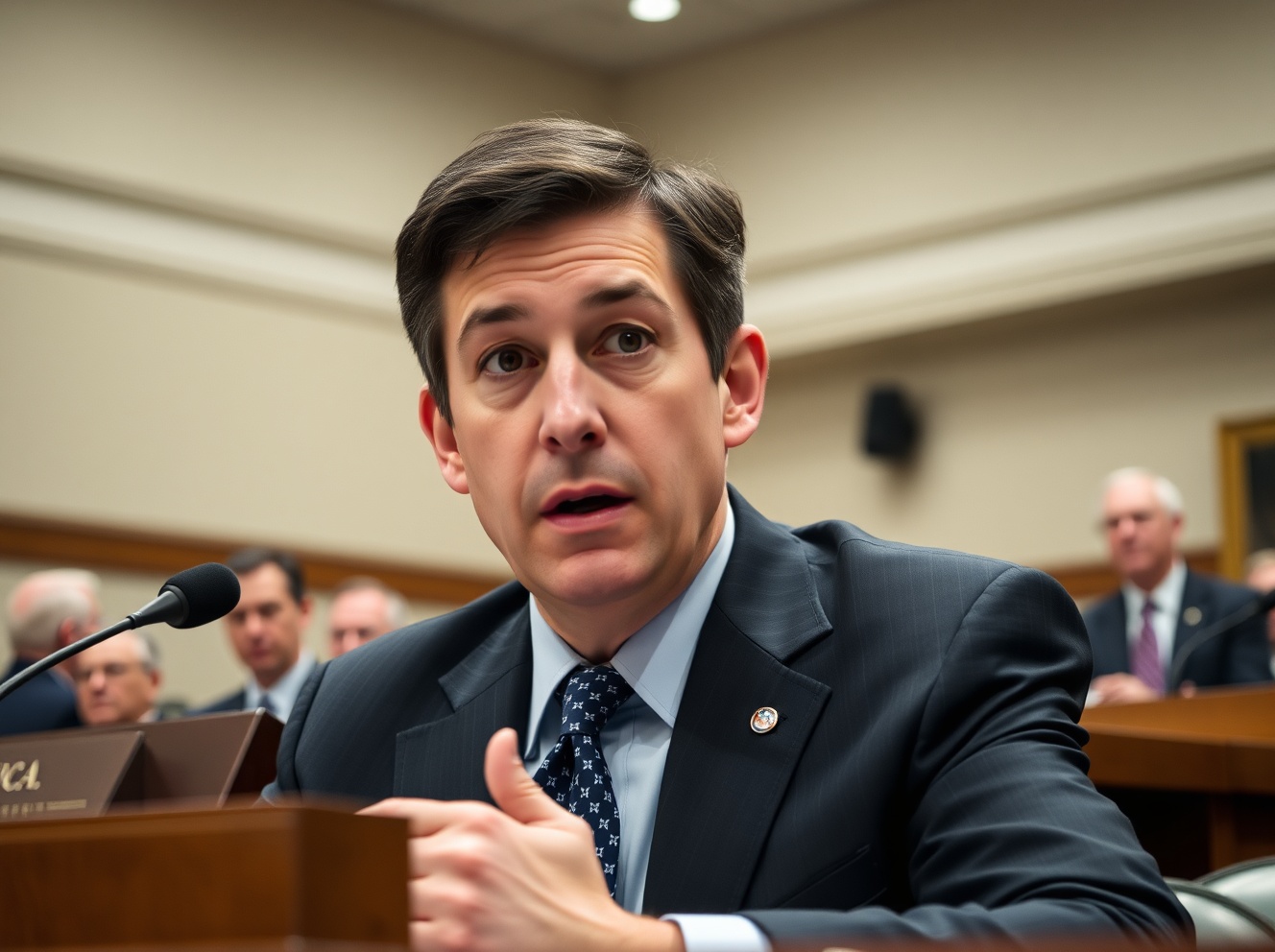
Federal Reserve Crypto Integration: Nominee’s Pivotal Declaration Reshapes US Financial Future
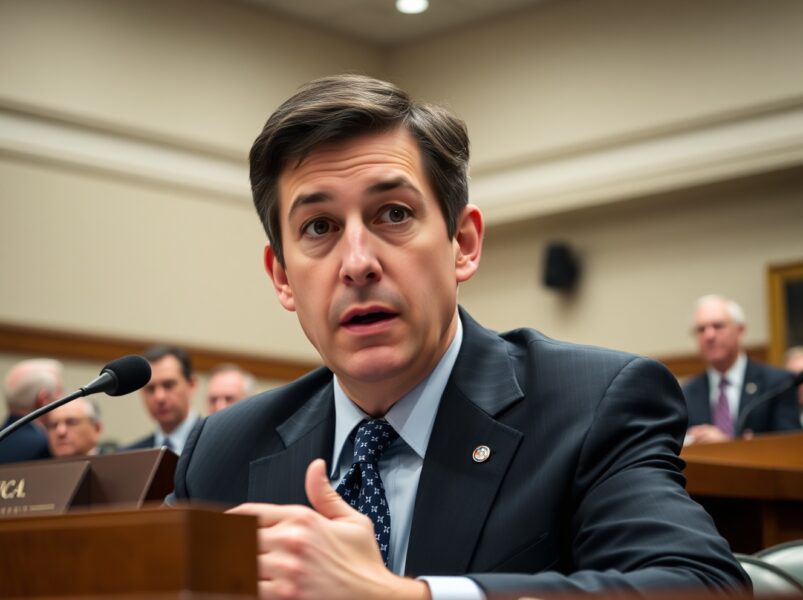
WASHINGTON, D.C. — In a pivotal confirmation hearing that could reshape America’s financial landscape, Federal Reserve Chair nominee Kevin Warsh delivered a definitive statement about cryptocurrency’s place in the nation’s economy. During questioning before the Senate Banking Committee, Warsh asserted that digital assets already constitute an integral component of the U.S. financial services industry. This declaration marks a significant evolution in regulatory perspective and carries profound implications for monetary policy, investor protection, and technological innovation.
Federal Reserve Crypto Stance Evolves During Hearing
The hearing revealed substantial shifts in regulatory thinking. Senator Cynthia Lummis, a prominent crypto advocate, directly questioned Warsh about integrating digital assets into the financial system. She emphasized creating new investment opportunities while ensuring robust consumer protections. Warsh’s response acknowledged cryptocurrency’s existing market presence rather than treating it as an emerging novelty. Consequently, this perspective suggests regulatory frameworks must adapt to current realities instead of anticipating future developments.
Financial analysts immediately recognized the hearing’s significance. “Warsh’s testimony represents a watershed moment,” noted Georgetown University finance professor Dr. Elena Rodriguez. “Previous Fed chairs have approached crypto with caution, often emphasizing risks over integration. Warsh’s acknowledgment of existing integration signals a pragmatic shift toward regulatory accommodation.” This perspective aligns with growing institutional adoption across banking, asset management, and payment systems.
Kevin Warsh’s Digital Assets Background and Implications
Warsh brings unique experience to the nomination process. He has made early-stage investments in cryptocurrency infrastructure projects, providing firsthand understanding of blockchain technology’s potential. Furthermore, he reportedly agreed to divest most financial assets to avoid conflicts of interest. This divestment strategy demonstrates commitment to impartial leadership while maintaining technological expertise.
The nominee’s background contrasts with traditional central banking credentials. Unlike predecessors who rose through academic or government monetary policy roles, Warsh’s investment experience offers practical market insights. “His crypto investments weren’t speculative plays,” explained former SEC advisor Michael Chen. “They focused on infrastructure—exchanges, custody solutions, and settlement systems. This suggests he understands crypto as a technological evolution of financial plumbing rather than just an asset class.”
Regulatory Framework Development Timeline
Cryptocurrency regulation has evolved through distinct phases:
- 2013-2017: Initial regulatory uncertainty with limited guidance
- 2018-2021: Enforcement-focused approach targeting fraud and compliance
- 2022-2024: Legislative proposals and agency coordination efforts
- 2025-Present: Integration acknowledgment and framework development
Warsh’s testimony occurs during the fourth phase, where regulatory bodies increasingly recognize established market presence. This recognition necessitates coordinated policy responses across multiple agencies including the SEC, CFTC, Treasury Department, and Federal Reserve.
Crypto Financial Integration Challenges and Opportunities
Integration presents both technical and policy challenges. Technologically, blockchain systems must interoperate with legacy financial infrastructure. Policy-wise, regulators must balance innovation facilitation with systemic risk management. Warsh’s comments suggest he views these challenges as manageable within existing regulatory paradigms.
Market data supports the integration argument. According to recent Federal Reserve research, approximately 15% of U.S. households now hold some cryptocurrency exposure. Additionally, major financial institutions have allocated over $50 billion to digital asset infrastructure. These investments span custody services, trading platforms, and blockchain-based settlement systems.
| Metric | 2024 | 2025 Projection |
|---|---|---|
| Banks Offering Crypto Services | 42% | 58% |
| Asset Managers with Crypto Funds | 67% | 82% |
| Payment Systems Integration | 31% | 47% |
| Regulatory Clarity Initiatives | 18 | 27 |
The data demonstrates accelerating institutional adoption. Moreover, regulatory initiatives have increased by 50% year-over-year, indicating growing governmental engagement with digital asset markets.
US Financial Industry Transformation Underway
Warsh’s testimony reflects broader industry transformations. Traditional financial services increasingly incorporate blockchain technology for settlement, custody, and transaction verification. Simultaneously, cryptocurrency exchanges have implemented banking-like compliance measures including KYC (Know Your Customer) and AML (Anti-Money Laundering) protocols.
This convergence creates hybrid financial ecosystems. “We’re witnessing the emergence of a dual-track system,” observed MIT Digital Currency Initiative researcher Dr. Samantha Park. “Traditional finance adopts blockchain efficiencies while crypto entities implement financial regulations. Warsh’s recognition of integration acknowledges this convergence as an established reality rather than speculative future.”
Monetary Policy Considerations
Cryptocurrency integration raises important monetary policy questions. Central banks must consider how digital assets affect transmission mechanisms, liquidity conditions, and financial stability. Warsh’s technological understanding positions him to address these complex interactions. His approach likely emphasizes monitoring and analysis rather than immediate restrictive measures.
Federal Reserve researchers have studied potential impacts extensively. Their findings suggest limited current effects on monetary policy transmission but significant future considerations. Particularly, stablecoin adoption and central bank digital currency development require careful coordination with existing policy tools.
Consumer Protection and Investment Opportunity Balance
Senator Lummis’s questioning highlighted the dual objectives of opportunity creation and protection maintenance. Warsh’s response implicitly acknowledged this balance. Effective regulation should facilitate legitimate innovation while preventing consumer harm. This approach aligns with broader financial regulatory principles applied to traditional assets.
Recent enforcement actions demonstrate regulatory commitment to consumer protection. The SEC and CFTC have brought numerous cases against fraudulent crypto schemes while clarifying compliance expectations for legitimate projects. This balanced approach supports market integrity while allowing technological development.
Investment opportunities continue expanding despite regulatory evolution. Institutional-grade products including ETFs, futures contracts, and structured notes provide regulated access points. Additionally, retirement account integration through 401(k) platforms demonstrates mainstream acceptance. These developments create accessible pathways for traditional investors while maintaining regulatory oversight.
Conclusion
Kevin Warsh’s confirmation hearing testimony marks a definitive moment in cryptocurrency regulatory evolution. His acknowledgment of digital asset integration within the U.S. financial industry reflects market realities and suggests pragmatic policy approaches. The Federal Reserve crypto perspective appears shifting from cautious observation toward active engagement with established technological innovations. This evolution carries implications for monetary policy, financial stability, and economic innovation. As confirmation proceedings continue, Warsh’s unique combination of investment experience and regulatory understanding positions him to guide this integration process effectively.
FAQs
Q1: What exactly did Kevin Warsh say about cryptocurrency during his confirmation hearing?
Warsh stated that digital assets are already part of the U.S. financial services industry, responding to Senator Cynthia Lummis’s question about integrating crypto to provide investment opportunities and consumer protections.
Q2: Why is Warsh’s background in crypto investments significant for his nomination?
His early-stage investments in cryptocurrency infrastructure provide practical understanding of blockchain technology, contrasting with traditional academic or government monetary policy backgrounds common among Fed nominees.
Q3: How does cryptocurrency integration affect Federal Reserve monetary policy?
Integration requires the Fed to consider how digital assets affect policy transmission, liquidity, and financial stability, though current impacts remain limited according to Fed research.
Q4: What consumer protections exist for cryptocurrency investors?
Regulators apply existing financial protections including anti-fraud enforcement, disclosure requirements, and market manipulation prevention, while developing crypto-specific frameworks.
Q5: How are traditional financial institutions adopting cryptocurrency?
Banks, asset managers, and payment systems increasingly offer crypto services including custody, trading, and investment products, with adoption rates growing significantly year-over-year.
Q6: What happens next in the confirmation process?
The Senate Banking Committee will review Warsh’s qualifications, followed by committee vote and full Senate consideration, with his crypto stance likely receiving continued scrutiny.
This post Federal Reserve Crypto Integration: Nominee’s Pivotal Declaration Reshapes US Financial Future first appeared on BitcoinWorld.


You May Also Like
MAGA congressman gets more than he bargained for from Jake Tapper: 'Guess I'm confused?'

Bitcoin, Gold, and U.S. Stocks Dive as Trump Pledges to Hit Iran ‘Extremely Hard’




