Bitcoin's journey from worthless digital code to a six-figure asset is one of the most remarkable stories in financial history. But when did Bitcoin blow up? The answer isn't straightforward becauseBitcoin's journey from worthless digital code to a six-figure asset is one of the most remarkable stories in financial history. But when did Bitcoin blow up? The answer isn't straightforward because
Learn/Cryptocurrency Knowledge/Hot Concepts/When Did Bi... & Timeline

When Did Bitcoin Blow Up? Complete Price History & Timeline

Intermediate
Feb 11, 2026MEXC
0m
SIX
SIX$0.00888+0.11%
ERA
ERA$0.1418+4.72%
The 7 Wanderers
7$0.00001592+1.14%
Bitcoin's journey from worthless digital code to a six-figure asset is one of the most remarkable stories in financial history.
But when did Bitcoin blow up? The answer isn't straightforward because Bitcoin has experienced multiple explosive growth periods since its 2009 launch.
This article examines Bitcoin's major breakthrough moments—from its first surge in 2011 to the institutional adoption waves of 2020-2025.
You'll discover what triggered each rally, why prices crashed afterward, and what these patterns reveal about cryptocurrency's volatile nature.
Whether you're curious about Bitcoin's past or trying to understand its future potential, this timeline provides the complete picture.
  1. For a complete Bitcoin overview, see our ultimate guide to Bitcoin (BTC) for beginners.

Key Takeaways:
  • Bitcoin has experienced at least four major price explosions since 2009, each driven by different catalysts ranging from early adoption to institutional investment.
  • The first significant surge occurred in 2011 when Bitcoin reached $30, followed by a crash to below $5 by year-end, establishing a pattern of extreme volatility.
  • Bitcoin broke the $1,000 barrier in November 2013 during the Cyprus banking crisis, demonstrating its appeal as an alternative to traditional financial systems.
  • The 2017 bull run brought Bitcoin into mainstream consciousness, reaching nearly $20,000 and making cryptocurrency a household topic despite the subsequent 80% crash.
  • Unlike previous retail-driven rallies, the 2020-2021 surge featured institutional adoption from companies like MicroStrategy and Tesla, plus SEC-approved Bitcoin ETFs in 2024.
  • Each Bitcoin cycle follows a similar pattern: explosive growth followed by devastating corrections, yet long-term holders have consistently been rewarded as prices reach progressively higher peaks.

When Did Bitcoin First Blow Up in 2011?

Bitcoin launched in January 2009 with no monetary value whatsoever. The first recorded exchange rate appeared in late 2009 at roughly $0.00099—less than one-tenth of a penny. For over a year, Bitcoin remained a hobby project for tech enthusiasts and cryptography fans.
Then came February 2011, when Bitcoin reached $1.00 for the first time, achieving parity with the U.S. dollar. This milestone generated excitement in online forums, but the real explosion happened just months later. By June 2011, Bitcoin's price skyrocketed to around $30, representing an astonishing 8,000% gain from the year's start.
What caused this first surge? Early media coverage began introducing Bitcoin to wider audiences beyond tech circles. The 2008 financial crisis had left many people disillusioned with traditional banking, making Bitcoin's decentralized promise appealing. However, reality quickly set in. By year-end, Bitcoin had crashed below $5, teaching early adopters a harsh lesson about crypto volatility that would repeat throughout Bitcoin's history.


The 2013 Explosion: Bitcoin Crosses $1,000

After the 2011 crash, Bitcoin spent 2012 rebuilding quietly. The price hovered around $5 for most of the year before experiencing its first "halving" in November 2012—a programmed reduction in mining rewards that decreased new Bitcoin supply. This set the stage for 2013's breakthrough.
Bitcoin started 2013 at approximately $13, then surged past $100 by April. The momentum built through the year as more cryptocurrency exchanges opened globally, making Bitcoin easier to buy and sell. Merchant adoption increased, with major online platforms beginning to accept Bitcoin payments.
The real explosion came in November 2013. Bitcoin's price rocketed to $1,193 on Mt. Gox, then the world's largest Bitcoin exchange. This represented the first time Bitcoin broke the four-figure barrier, pushing its total market capitalization above $1 billion. Many analysts pointed to Cyprus's banking crisis earlier that year as a catalyst, with people seeking alternatives to traditional financial systems.
The celebration was short-lived. By early 2015, Bitcoin had crashed to around $200. Yet this cycle proved Bitcoin could recover from devastating losses—a pattern that would define its future trajectory.


When Did Bitcoin Start to Blow Up Mainstream? 2017 Rally

While earlier surges attracted attention in tech communities, 2017 marked when did Bitcoin start to blow up in public awareness. Bitcoin began the year around $1,000 and embarked on a historic rally that would capture global headlines.
The cryptocurrency passed $2,000 in May, then $4,000 in August, and $10,000 in November. Mainstream media covered Bitcoin constantly, dinner table conversations turned to cryptocurrency, and relatives asked how to buy Bitcoin at holiday gatherings. The frenzy peaked on December 17, 2017, when Bitcoin reached approximately $19,783.
Several factors drove this unprecedented surge. The Initial Coin Offering boom brought billions of dollars into cryptocurrency markets. Bitcoin futures launched on major exchanges like CME and CBOE, providing institutional investors access for the first time. Most importantly, retail investor FOMO—fear of missing out—created a self-reinforcing cycle where rising prices attracted more buyers, pushing prices even higher.
The 2018 aftermath was brutal. Bitcoin crashed over 80%, spending most of the year declining to around $3,700. Critics declared Bitcoin dead, yet the cryptocurrency had achieved something invaluable: it became a household name that mainstream finance could no longer ignore.


The 2020-2021 Surge: Institutional Adoption Era

Bitcoin started 2020 around $7,200, and nobody predicted what would unfold. When COVID-19 triggered global market panic in March 2020, Bitcoin crashed to $3,850, seemingly confirming critics' warnings. But the recovery proved equally dramatic.
Massive government stimulus programs and historically low interest rates pushed investors toward alternative assets. Unlike previous cycles driven by retail speculation, this surge featured something new: institutional adoption. Public companies like MicroStrategy and Tesla added billions of dollars of Bitcoin to their corporate treasuries. Payment platforms including PayPal enabled users to buy and hold Bitcoin directly within their apps.
Bitcoin closed 2020 near $29,000, then continued climbing through 2021. The narrative shifted from "magic internet money" to "digital gold"—a store of value comparable to precious metals. On November 10, 2021, Bitcoin reached its then all-time high of $68,789.
The pattern repeated with another crash through 2022's "crypto winter," but by 2024, Bitcoin had recovered again. The U.S. Securities and Exchange Commission approved Bitcoin spot ETFs in January 2024, allowing mainstream investors to access Bitcoin through familiar investment vehicles. By mid-2025, Bitcoin had surpassed $124,000, demonstrating continued institutional interest despite ongoing volatility.


Frequently Asked Questions

When did Bitcoin hit $1?
Bitcoin reached $1 for the first time in February 2011, marking its first major milestone.


What was Bitcoin's highest price ever?
Bitcoin reached an all-time high of approximately $124,457 in August 2025.


Why does Bitcoin crash after every surge?
Bitcoin crashes typically follow periods of speculation-driven growth, profit-taking by early investors, and market corrections when prices disconnect from underlying fundamentals.


How many times has Bitcoin "blown up"?
Bitcoin has experienced at least four major explosive growth periods: 2011, 2013, 2017, and 2020-2021, with another surge occurring in 2024-2025.


What triggers Bitcoin price surges?
Bitcoin surges have been triggered by different factors including media attention, institutional adoption, halving events, regulatory developments, and macroeconomic conditions like inflation concerns.


Conclusion

Bitcoin hasn't blown up just once—it has experienced multiple explosive growth cycles, each driven by different catalysts and reaching progressively higher peaks. From 2011's tech enthusiast surge to 2017's mainstream frenzy and 2021's institutional embrace, Bitcoin has repeatedly proven its resilience despite devastating crashes.
Each cycle teaches the same lesson: Bitcoin's volatility is extreme, but long-term holders who weathered the storms have been rewarded. As cryptocurrency infrastructure matures and adoption broadens, Bitcoin continues evolving from fringe experiment to established financial asset. Ready to explore Bitcoin? Start your cryptocurrency journey on MEXC today.
  1. Want to learn more? Read our comprehensive What is Bitcoin (BTC) guide for the full picture.
Market Opportunity
SIX Logo
SIX Price(SIX)
$0.00888
$0.00888$0.00888
+0.11%
USD
SIX (SIX) Live Price Chart
This article is provided by MEXC for informational purposes only and does not constitute financial or investment advice. Cryptocurrency markets involve significant risk. Please conduct independent research or consult a qualified professional before making any investment decisions. The views expressed do not necessarily represent those of MEXC or its affiliates.

Popular Articles

View More
Six Methods to Better Secure Your Account

Six Methods to Better Secure Your Account

This article will cover a series of simple account protection measures as well as some good habits that you should practice. 1. Set strong passwords and change them regularly You need to set

Join Us in Celebrating MEXC's 6th Anniversary!

Join Us in Celebrating MEXC's 6th Anniversary!

In April, MEXC celebrates its 6th anniversary! Over the past six years, MEXC has always adhered to the principle of "Users First," committed to creating a safe and stable trading environment for

Ethereum Price History by Year: Every Major Bull Run and Crash Explained

Ethereum Price History by Year: Every Major Bull Run and Crash Explained

Ethereum has gone from a $0.31 ICO token to one of the most closely watched assets in global finance. Its price history isn't just a chart — it's a record of every major shift in the crypto market,

Top Cardano DeFi Projects in 2026: Where Is the TVL Going?

Top Cardano DeFi Projects in 2026: Where Is the TVL Going?

Cardano DeFi at a Glance: The TVL Picture in 2026 Cardano's DeFi ecosystem held approximately $132 million in Total Value Locked as of early April 2026, ranking 27th among all blockchains. Three DEX

Hot Crypto Updates

View More
Why Meme Coins Crash: The Real Reasons Behind Collapses Like BEEG

Why Meme Coins Crash: The Real Reasons Behind Collapses Like BEEG

Discover the six structural reasons meme coins like BEEG Blue Whale crash so violently — from whale dumps and rug pulls to thin liquidity and pure hype cycles. Learn how to protect yourself and where
SIX (SIX) Price Prediction 2026: Explosive Growth Signals! This Crypto Could Surge 300%

SIX (SIX) Price Prediction 2026: Explosive Growth Signals! This Crypto Could Surge 300%

In-depth SIX token 2026 price prediction! Experts forecast up to $0.39, technical analysis + market trends + trading strategies covered. Want to ride the blockchain RWA wave? Discover why you should


What Is SIX (SIX) ? 2026 Complete Investment Guide: Deep Dive into the RWA Rising Star

What Is SIX (SIX) ? 2026 Complete Investment Guide: Deep Dive into the RWA Rising Star

Comprehensive analysis of SIX Network's investment value and prospects for 2026. Discover SIX token's technical advantages, RWA tokenization innovations, and why MEXC is the best platform for trading

Bitcoin Institutional Demand Surpasses Daily Mining Output for First Time in Six Weeks

Bitcoin Institutional Demand Surpasses Daily Mining Output for First Time in Six Weeks

Key Takeaways Institutional Bitcoin purchases have exceeded daily mining production for the first time since early November This shift marks a critical turning point in Bitcoin's supply-demand

Trending News

View More
Trazo: from food-first to lifestyle utility – How OliliFood’s rebrand is rewriting delivery in Nigeria

Trazo: from food-first to lifestyle utility – How OliliFood’s rebrand is rewriting delivery in Nigeria

After six years of building a loyal following in the streets of Asaba and Warri, OliliFood, a food…

Philippine SEC flags dYdX, six others over unlicensed crypto activity

Philippine SEC flags dYdX, six others over unlicensed crypto activity

The Philippine SEC has warned investors against using dYdX and six other crypto platforms, saying they are operating without authorization in the country. According

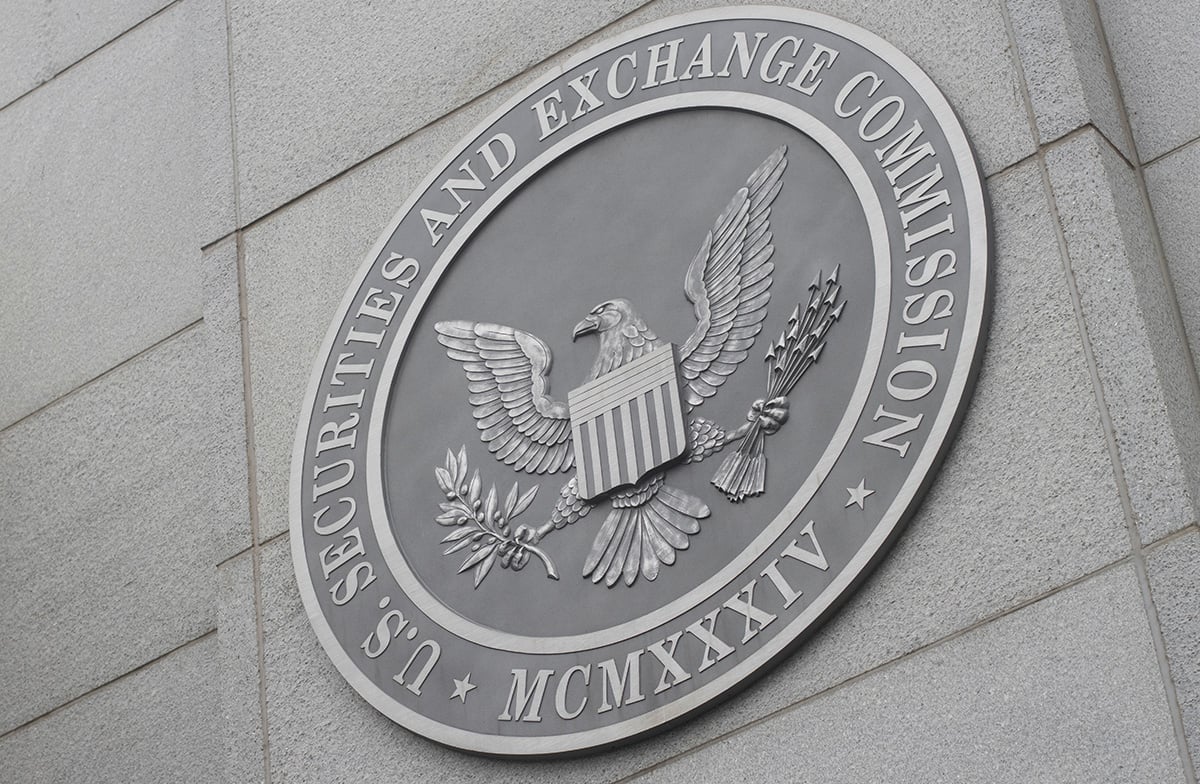
Philippines Crypto Warning: SEC Issues Critical Alert Against Unapproved Exchanges

Philippines Crypto Warning: SEC Issues Critical Alert Against Unapproved Exchanges

BitcoinWorld Philippines Crypto Warning: SEC Issues Critical Alert Against Unapproved Exchanges MANILA, Philippines — The Philippine Securities and Exchange Commission

Philippines Securities Regulator Targets dYdX and Six Other Crypto Platforms

Philippines Securities Regulator Targets dYdX and Six Other Crypto Platforms

Philippine SEC targets dYdX and six other crypto platforms for unauthorized operations, intensifying crackdown on unlicensed digital asset providers. The post Philippines

Related Articles

View More
Ondo vs. BlackRock BUIDL: Choosing the Best RWA Investment in 2026

Ondo vs. BlackRock BUIDL: Choosing the Best RWA Investment in 2026

Ondo Finance and BlackRock's BUIDL fund are the two dominant tokenized real-world asset products of 2026, but they serve fundamentally different investor profiles. BUIDL offers institutional-grade cus

ETH Technical Analysis: RSI, MACD, and Support Resistance Levels Explained

ETH Technical Analysis: RSI, MACD, and Support Resistance Levels Explained

If you've ever watched ETH stall at the same price ceiling two or three times and wondered why, you've already seen technical analysis doing its job.This guide breaks down the core tools behind ETH/US

Ethereum CEO: Who Really Runs the World's Second-Largest Blockchain

Ethereum CEO: Who Really Runs the World's Second-Largest Blockchain

If you've searched "Ethereum CEO," you're not alone — and the answer might surprise you.Ethereum has no CEO, no board of directors, and no single person in charge.This article breaks down who actually


What Is Remix Ethereum IDE? Features, Setup, and Safety Guide

What Is Remix Ethereum IDE? Features, Setup, and Safety Guide

If you've ever wondered how developers build apps on the Ethereum blockchain, the answer usually starts with one tool.Remix Ethereum is a free, browser-based IDE (Integrated Development Environment) t

Sign Up on MEXC
Sign Up & Receive Up to 10,000 USDT Bonus