

👨🏿🚀TechCabal Daily – Telcos, pay up
Good morning. 
If you’ve been on any social media, you’ve seen countless people complain about their internet service. Nigeria’s telco regulator wants to change that, and in my opinion, not a second sooner. Here’s to better internet soon, hopefully.
- South Africa’s digital ID is already behind schedule
- Nigeria to fine telecom operators $8.85m over poor service
- CBK says M-Pesa is too big to fail
- World Wide Web 3
- Event
policy
Nigeria to fine telecom operators $8.85m over poor service
 Meme, Image Source: makeameme.
The Nigerian Communications Commission (NCC), the country’s telecom regulator, is done asking telcos to offer better network services and is reaching for the chequebook. About ₦12.4 billion ($8.85 million) in fines now hang over operators’ heads as the regulator plans to penalise persistent breaches of service standards.
What counts as bad behaviour? The NCC didn’t list offences line by line, but the usual suspects are poor services, including sluggish data, prolonged outages, and infrastructure issues that make service unreliable for a long time, are obvious. While the NCC has stipulated how this new fine will be applied, repeated failures, poor maintenance, or slow fixes could be where their patience runs out, and penalties begin.
A regulator has negotiated: To improve consumer protection in the sector, the NCC is focusing on Nigerians’ three biggest pain points: poor network quality, mysterious data depletion, and refunds arising from failed airtime and data transactions.
On refunds, the regulator, in partnership with Nigeria’s Central Bank, introduced a framework that mandates refunds within 30 seconds for failed airtime and data transactions, starting from March 1, 2026. The regulator is now addressing poor network quality. One big thing still loading? Clear rules around unexpected data deductions, and that regulation is very much expected next.
Your 2026 demands disciplined financial operations
Fincra powers the payments infrastructure businesses rely on to collect, pay, and settle across local and major African currencies with confidence. Get started.
government
South Africa’s digital ID is already behind schedule
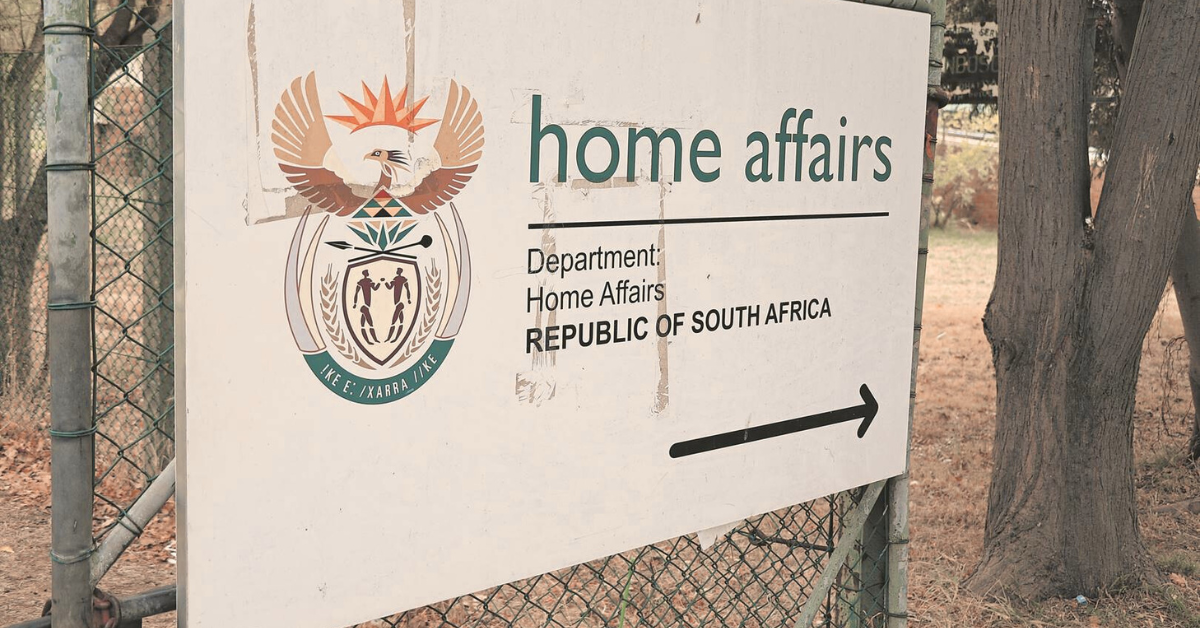 Image source: Google
Remember South Africa’s Department of Home Affairs’ plan to roll out a national digital ID system before year-end? Don’t get too excited; reports say that it will likely be delayed for at least a few more years.
If you don’t recall: On January 23, the South African government announced progress on its new system would allow citizens to access multiple government services without repeatedly verifying their identity across separate systems. This ID system was designed to be anchored in the recently launched MyMzansi portal.
So, what’s the holdup? The government says progress is being made; there’s a MyMzansi platform prototype and some data-sharing pilots. But the digital ID policy itself, which Home Affairs said in April 2025 would be submitted “shortly” to Cabinet for approval, hasn’t been completed, according to local media reports.
Here’s why that matters: Even after the Cabinet approves the policy, it must still be published for public comment, revised again, and passed into law before the actual tech build-out can begin. Each step is a process-heavy crawl, and a 2026 rollout already assumes everything else goes perfectly. Yet, a policy that should have been sent for approval nine months ago hasn’t been finalised.
Thus, the tension: Can the government deliver this system safely? Will South Africa even meet its new 2026 promise, or is this another deadline waiting to slip? The government is optimistic, but the reality of past delays hangs over the project, and the clock is ticking.
Discover providers and manage logistics in one secure platform.

Logistics Marketplace helps key players in health, post tenders, discover providers & manage logistics in one secure platform. Free, backed by Global Fund & Gates Foundation. Join now with Access Code: WELCOME2026!
companies
Kenya’s central bank says M-Pesa is too big to fail
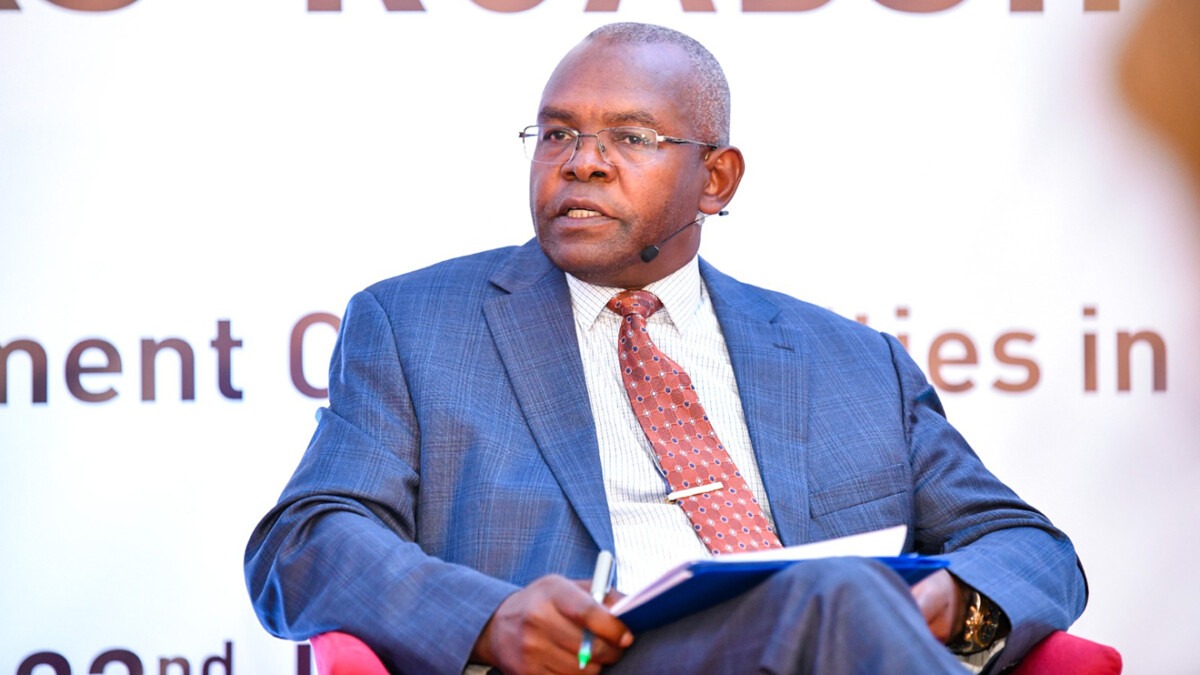 Central Bank governor Kamau Thugge. Image source: NMG
M-Pesa is no longer just a mobile wallet; it’s the load-bearing pillar of the entire Kenyan economy. In a sobering presentation to lawmakers this week, CBK Governor Kamau Thugge warned that the platform has reached such a scale that its failure would “significantly impair the real economy.”
The M-Pesa Multiplier: In 2025, M-Pesa processed transactions worth KES 83.7 trillion ($649.7 billion), nearly four times Kenya’s total Gross Domestic Product (GDP). With 95% of retail payments and 32 million active users, the platform is the central nervous system for everything from school fees to tax collection via e-Citizen.
Why the warning now? Timing is everything. The government is currently trying to sell a 15% stake in Safaricom to South Africa’s Vodacom Group for roughly $2.1 billion. While Thugge insists the sale is a positive macroeconomic move to stabilise the Shilling and avoid more debt, critics are sounding the alarm. The Consumer Federation of Kenya (COFEK) has already filed lawsuits to halt the deal, arguing that selling majority control of such systemic infrastructure to a foreign entity is a national security risk.
Too big to fail: The CBK’s admission marks a shift in how we think about fintechs in Africa. When a private platform becomes four times larger than a country’s GDP, it stops being a company and starts functioning like a utility, raising a harder regulatory question: at what point does a unicorn become too large for a government to actually manage, or even own?
Get clear guidance, support, and reporting tools that work.

Online Violence Has Offline Consequences
Online harm is real harm. Harassment and cyberbullying follow people into their homes, work, and daily lives. We all deserve safer digital spaces. Get clear guidance, support, and reporting tools that work. Visit kuramng.org to get started.
CRYPTO TRACKER
The World Wide Web3
Source:

|
Coin Name |
Current Value |
Day |
Month |
|---|---|---|---|
| Bitcoin | $88,186 |
– 0.76% |
+ 1.26% |
| Ether | $2,955 |
– 1.24% |
+ 0.68% |
| BNB | $897 |
+ 0.03% |
+ 5.62% |
| Solana | $123.51 |
– 2.33% |
+ 0.28% |
* Data as of 06.41 AM WAT, January 29, 2026.
Breet runs the crypto layer end-to-end
No wallets to manage. No volatility to worry about. Breet runs the crypto layer end-to-end so your team can focus on product, users, and Growth
Events
 Africa Tech Summit Nairobi is returning for its eighth edition in February 2026, and this time, payments infrastructure is getting top billing. Fincra, a pan-African fintech company, has been announced as the headline supporter of the event, which will be held on February 11–12, 2026, at the Sarit Expo Centre, Nairobi, Kenya. The summit will bring together over 2,000 delegates across fintech, AI, climate tech, and startups to discuss how Africa builds interoperable payment rails for cross-border trade and digital commerce. Get your early bird tickets.
- My Life In Tech: Lade Falobi’s clarity-over-cleverness lesson for African tech marketers
- AI will reshape African healthcare. Who controls it matters UTME: “No part of Nigeria without network,” JAMB insists on live CBT surveillance
Written by: Zia Yusuf, and Opeyemi Kareem
Edited by: Ganiu Oloruntade
Want more of TechCabal?
Sign up for our insightful newsletters on the business and economy of tech in Africa.
- The Next Wave: futuristic analysis of the business of tech in Africa.
- Francophone Weekly by TechCabal: insider insights and analysis of Francophone’s tech ecosystem
P:S If you’re often missing TC Daily in your inbox, check your Promotions folder and move any edition of TC Daily from “Promotions” to your “Main” or “Primary” folder and TC Daily will always come to you.

You May Also Like

NGP Token Crashes 88% After $2M Oracle Hack

CZ Defends HODL Strategy Amid Backlash, Yi He’s 94% BNB Allocation Revealed
