

From 18 Months of Rejections to a Dream Web Dev Job With Paid Relocation [Case Study]
Hi, I’m Ilyas, a web developer.
\ I want to share a quick story which I hope can help you too 🙂
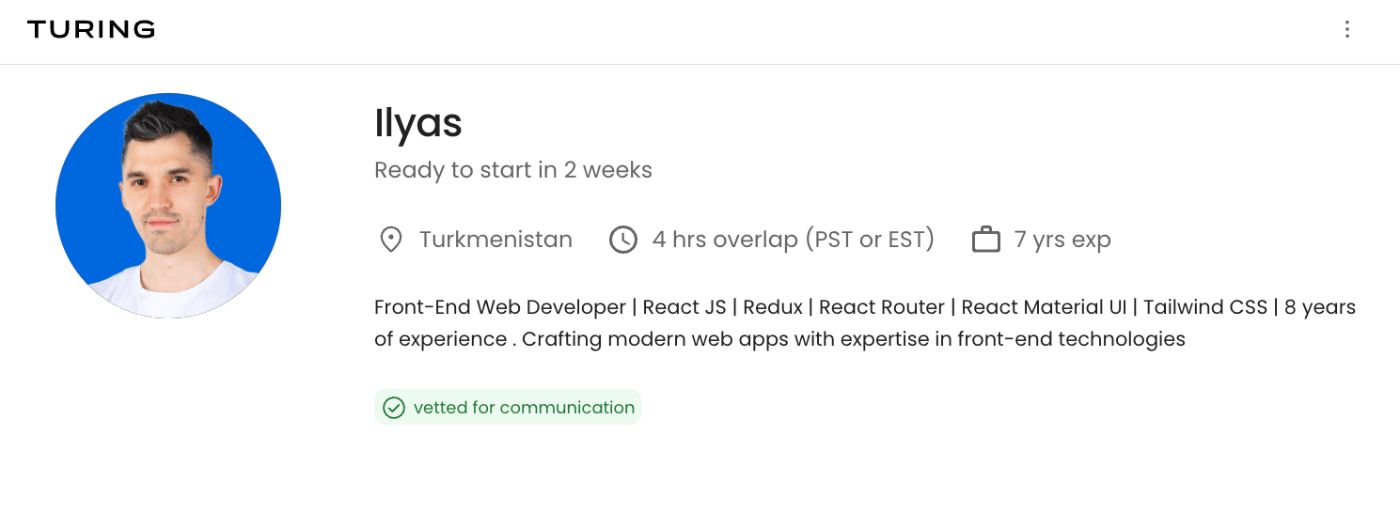
\ For 18 months, I was trying to land a remote or relocation web dev job. I applied to more than 1,000 positions, went through around 20–30 interviews, and failed most of them.
\ At the end of those 18 months, I finally got what I was aiming for: a web developer job with paid relocation for my family and me.
\ This isn’t a story about getting lucky or being exceptionally smart.
\ It’s about fixing two things I was doing wrong:
- How I prepared for interviews
- How I searched for jobs
\ If you’re a junior, mid-level, or self-taught developer who keeps failing interviews and doesn’t understand why, this might help you.
Struggle
No tangible results for 16 months ☹️
\ It was exhausting. I felt like I was putting in maximum effort but getting almost no results. I started doubting my skills and questioning if I'm ever gonna find a job I’ll be satisfied with.
\ My average day looked like this:
- 1.5 hours - polishing accounts at LinkedIn, Arc.dev & other platforms.
- 1.5 hours - passing tests to unlock new jobs at Turing
- 1.5 hours - applying everywhere
- 1.5 hours - preparing for interviews
\ By that time, I knew I needed a new approach, as nothing really clicked.
\
\ 
\
The Interview Problem Nobody Talks About
After dozens of interviews, I noticed a pattern. I wasn’t failing because I couldn’t solve hard algorithm problems or build projects under pressure. I was failing the basics—the simple questions.
\ Questions like:
- “What are portals in React?”
- “Explain the GET request in HTTP.”
\
\ These weren’t difficult—they were things I knew at some point—but under interview pressure, I blanked.
\ It hit me: I didn’t have a problem with understanding concepts; I had a problem with recall. I needed a way to remember the basics quickly and reliably, so I wouldn’t freeze during an interview.
\ Once I realized this, I started looking for a method to fix it.
Fixing the Real Problem
Once I understood that forgetting basics was my biggest problem, I needed a method to fix it. I didn’t just want to “study more”—I needed to remember what I already knew.
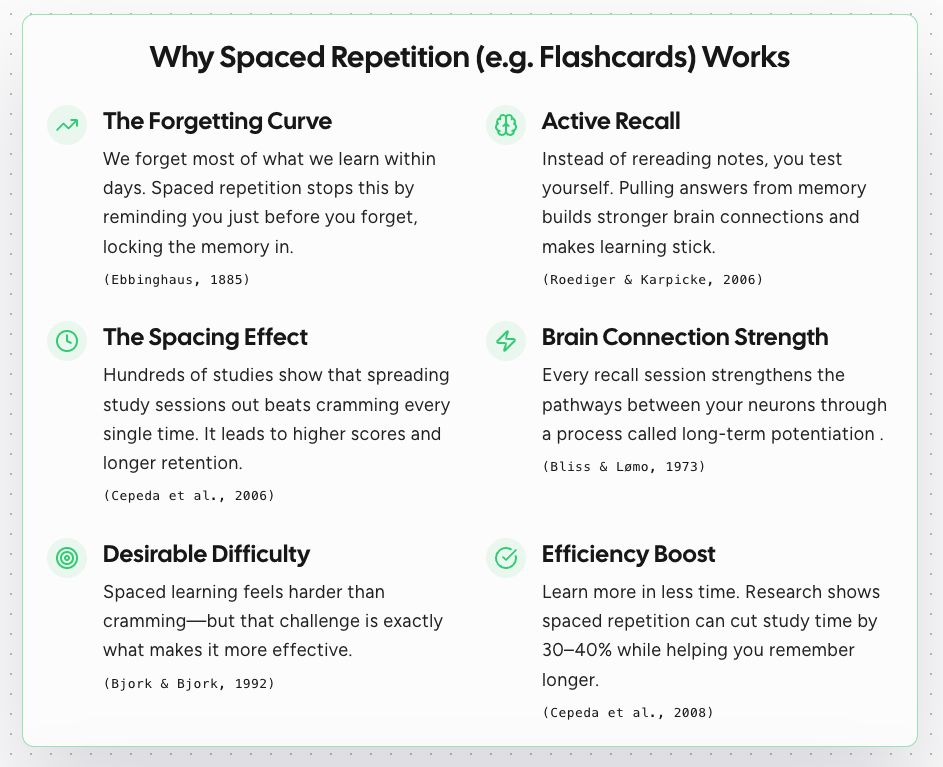
\ That’s when I stumbled upon flashcards and active recall. Active recall is a simple but powerful idea: instead of passively reading or watching tutorials, you test yourself repeatedly until the information sticks. It’s backed by science—people have been using versions of this method since the late 1800s.
\ The key was that I could practice small, specific pieces of knowledge—like React portals or HTTP methods—over and over until I could recall them instantly. That way, during interviews, my brain didn’t freeze.
\ This discovery completely changed my preparation.
\ 
\
My New Interview Preparation System
Once I had the right method, I needed a system. I didn’t want to guess what to study anymore.
Step 1: Identify the Exact Interview Topics
Instead of preparing “everything,” I started asking directly.
\ I would email HR or the recruiter and ask something like: \n “What topics should I prepare for the technical interview?”
\ Surprisingly, many of them replied with a clear list.
\ Things like React fundamentals, JavaScript basics, HTTP, and browser behavior.
\ This alone saved me a lot of time. I stopped over-preparing random things and focused only on what actually mattered for that interview.
Step 2: Flashcards with AI (and Some Caution)
Next, I used ChatGPT to generate flashcards for each topic.
\ I asked it to create 20–30 question-and-answer cards and show them to me one by one. I would try to answer before revealing the solution.
\ One problem I noticed was that AI can be wrong sometimes—maybe 1 or 2 cards out of 10. To fix that, I started adding links to official documentation in my prompts, so the answers were grounded in real sources.
\ With this setup, I practiced every day. Short sessions, high focus.
\ Very quickly, I felt the difference.
\
Results
After a few weeks of preparing this way, interviews started to feel different.
\ I was calmer. When interviewers asked basic questions, I didn’t panic anymore. The answers came naturally, without long pauses or guessing.
\ I noticed that I could explain concepts clearly and simply. Not in a “textbook” way, but like someone who actually understands what they’re talking about.
\ In my final job application, I passed four interview rounds in a row. After the technical test, the recruiter told me I scored 95% - 19 out of 20.
\ Soon after that, I received an offer: $5,500 per month and a paid relocation package for my family and me.
\ For the first time in a long while, I felt that my effort finally matched the results.
The Second Breakthrough: Changing How I Job-Hunted
About six weeks before I got the offer, I changed how I searched for jobs.
\ Until then, I was using the usual platforms: LinkedIn, Arc.dev, and hh.ru. I kept applying, but most applications went into a black hole. No replies, no feedback, just waiting.
\ So, I tried something different. I moved almost entirely to Telegram job groups.
\ 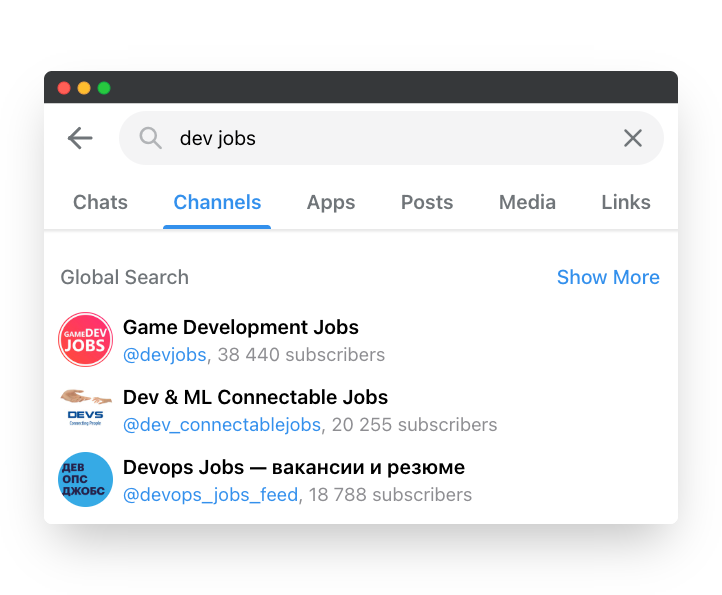
\ The first reason was simple: less competition. Many good roles were posted there, but far fewer people applied compared to big platforms.
\
\ The second reason was even more important: direct communication.
\ Before applying, I would DM the recruiter and say something like: \n “I saw this position. Here’s my CV and LinkedIn. Do you think I’m a good fit?”
\ If the recruiter said “yes,” I applied and stayed in touch for feedback.
\ If the answer was “no,” I moved on immediately.
\ This approach saved me hours every week. I stopped applying blindly and focused only on roles where I actually had a chance.
\ Looking back, this change alone made my job search much more efficient.
\
\ I would strongly suggest moving to Telegram for job search - it was a game-changer for me.
From a Personal System to a Small Tool
While preparing for interviews, I ended up creating a large collection of flashcards for myself. Over time, it became hard to manage everything in notes and files.
\ That’s when I decided to turn this system into a small tool called 99cards.dev.
\ It’s simply a collection of web development flashcards, grouped by topics, built for interview prep and knowledge refresh. Nothing fancy—just the same approach that helped me stop failing basic questions.
\ It currently has over 4900 flashcards in 24 categories. All core web dev technologies.
\ I originally built it for myself, but later shared it with a few other developers who were also preparing for interviews.
Lessons Learned
This whole experience taught me a few important lessons.
\ First, failing interviews doesn’t always mean you lack skills. Sometimes it just means you can’t recall things fast enough under pressure. That’s a fixable problem.
\ Second, studying more isn’t the same as studying better. Passive learning—reading, watching videos, redoing tutorials—didn’t help me much. Active recall did.
\ Third, job searching is also a skill. Sending hundreds of applications without feedback is exhausting and inefficient. Fewer applications, better targeting, and direct communication worked much better for me.
\ And finally, consistency matters more than intensity. Short, focused daily practice beats long, stressful cramming sessions every time.
You can do this too
If you’re struggling with interviews right now, especially as a junior, mid-level, or self-taught developer, I want you to know this: getting rejected doesn’t mean you’re bad at what you do.
\ In my case, the problem wasn’t talent or effort. It was preparation and approach. Once I fixed how I studied and how I applied, things started to move fast.
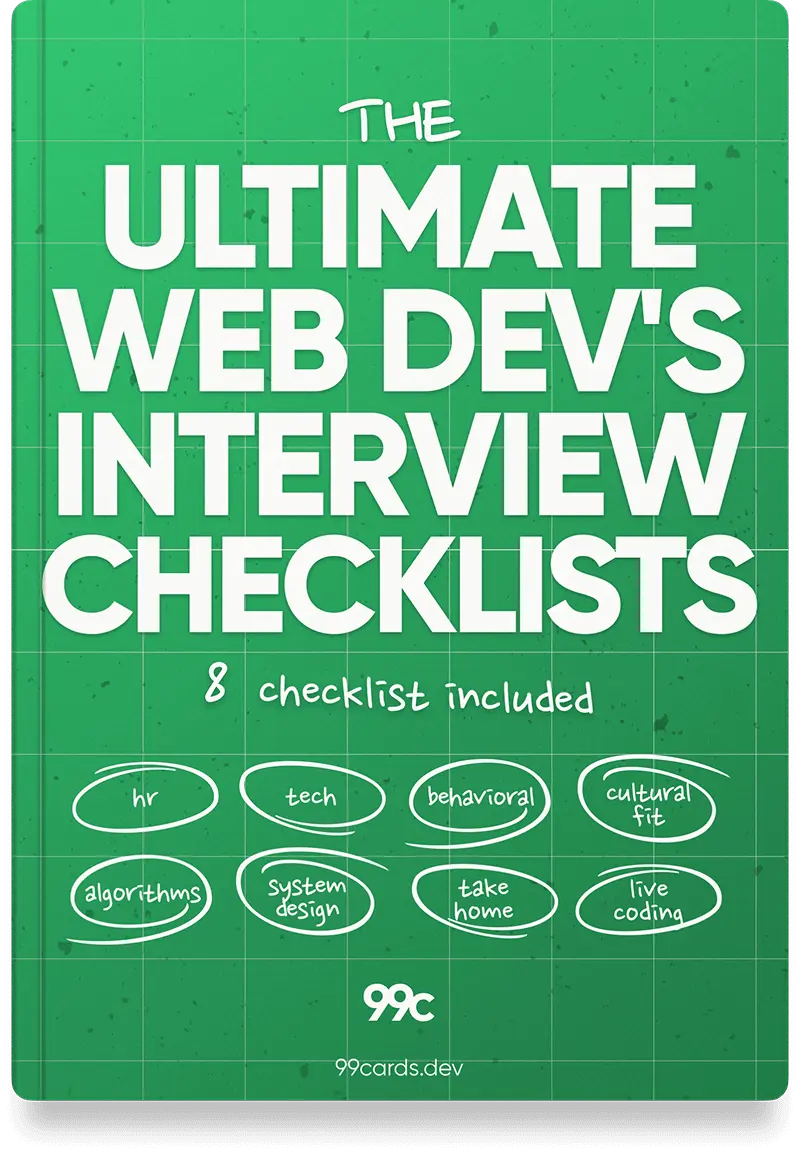
\ If you want something practical to help you prepare, I put together a free interview checklist based on my own experience. \n
It includes 8 checklists covering:
- HR
- Technical
- Behavioral
- Take-home assignments
- Live coding
- System design
- Algorithms
- Cultural fit
\ 
\ I hope this helps you prepare better and saves you some of the time and stress I went through.
\ Remember, you are just one interview away… \n Ilyas
\
You May Also Like

BitGo expands its presence in Europe

LayerZero Foundation initiates buyback of 50 million ZRO from early backers
