The television landscape in the United Kingdom has changed dramatically over the past decade. For many years, traditional cable and satellite television servicesThe television landscape in the United Kingdom has changed dramatically over the past decade. For many years, traditional cable and satellite television services

Is IPTV Cheaper Than Cable in the UK A Detailed Breakdown

2026/03/08 03:13
6 min read
For feedback or concerns regarding this content, please contact us at [email protected]

The television landscape in the United Kingdom has changed dramatically over the past decade. For many years, traditional cable and satellite television services were the dominant ways to access live sports, entertainment channels, and premium content. Yet in 2026, a growing number of UK households are opting for IPTV services as a compelling alternative.

This article explores the key differences between traditional cable TV and IPTV in the UK, focusing on cost, channel availability, flexibility, and user experience, to help consumers make informed decisions about their home entertainment.
Is IPTV Cheaper Than Cable in the UK A Detailed Breakdown

Traditional Cable TV in the UK: An Overview

Traditional cable TV services in the UK include operators that provide television channels via cable infrastructure. These services typically bundle a range of channels, including sports, entertainment, news, and premium movies, and require a set-top box supplied by the provider.

Key characteristics of traditional cable TV include:

  • Fixed channel packages
  • Contract periods (often 12–24 months)
  • Costs that may increase annually
  • Limited on-demand flexibility

While still popular among certain segments of the population, traditional cable has seen slowing adoption in recent years.

Cost Comparison: IPTV vs Traditional Cable

One of the primary drivers of cord-cutting in the UK is cost. Households are increasingly scrutinizing monthly bills and seeking more cost-efficient ways to access quality television.

Traditional Cable Costs

Cable packages in the UK are often priced based on tiered bundles that include different channel lineups. While these packages can offer a wide range of channels, the cost structure includes:

  • Upfront hardware or installation fees
  • Monthly subscription fees
  • Automatic price increases after promotional periods
  • Additional charges for premium channels

On average, consumers report spending £40–£70 or more per month on cable TV services depending on their package selections.*

(*Actual prices vary by provider and promotional periods.)

IPTV Costs

IPTV operates differently. Because it uses existing broadband connections, many IPTV services don’t require dedicated hardware or installation. Monthly access fees for reputable IPTV services are often significantly lower than traditional cable, and many offer flexible plans without long-term contracts.

The absence of hardware fees and the ability to scale subscriptions up or down can result in notable savings, especially for multi-channel and international content.

Conclusion (Cost): For many households, IPTV represents a more flexible and affordable model compared with traditional cable’s fixed and often higher pricing.

Channel Availability: What You Get

Channel variety is another key area of comparison, and understanding the content landscape helps consumers decide which option is right for them.

Channels on Traditional Cable

Traditional cable TV providers in the UK offer:

  • Mainstream entertainment channels (BBC, ITV, Channel 4, etc.)
  • News networks
  • Premium movie channels
  • Sports packages
  • Children’s programming

In many cases, premium channels are available only as add-ons, which can drive up subscription costs.

Channels on IPTV

IPTV services often provide:

  • Extensive channel lists covering local, national, and international content
  • Sports packages from around the world
  • On-demand libraries of movies and series
  • Niche and specialist channels
  • Multilingual programming

Because IPTV relies on internet delivery and partnerships with third-party content hosts, many services deliver broader international channel access than standard cable bundles.

For consumers interested in multicultural programming or extensive sports coverage, this makes IPTV an attractive option.

Flexibility and User Experience

Television today is not just about channels, it’s about how content is consumed.

Traditional Cable Flexibility

Traditional cable TV typically offers:

  • Linear broadcasting (scheduled programming)
  • Limited on-demand selections
  • Contracts that lock users in for a fixed duration
  • Defined viewing hardware (set-top box)

While DVRs and playback functions exist, they are often subject to additional charges or hardware limitations.

IPTV Flexibility

IPTV supports:

  • Access on multiple devices (smart TVs, Firestick, tablets, phones)
  • On-demand content
  • Pause, rewind, and catch-up features
  • Short-term subscription flexibility
  • No requirement for dedicated hardware

This multi-device flexibility is especially valuable for modern households where entertainment is shared across family members and devices.

Consumers evaluating options may consider platforms like gbiptvuk.com to compare stability, channel coverage, and device compatibility with traditional cable services.

Conclusion (Flexibility): IPTV generally offers greater flexibility, both in how content is consumed and how users manage their subscriptions, making it well-suited to contemporary viewing habits.

Performance and Reliability

Performance and reliability are critical factors when comparing IPTV and cable:

Traditional Cable Reliability

Cable TV is traditionally reliable because it is delivered via dedicated physical infrastructure and is not dependent on internet bandwidth. However:

  • Cable can still suffer from outages
  • Picture quality depends on signal strength and hardware

IPTV Performance

IPTV performance depends largely on:

  • Broadband speed and stability
  • Server uptime
  • Quality of the IPTV provider’s infrastructure

With the widespread availability of high-speed broadband in the UK, many IPTV services now offer consistent HD and 4K streaming. However, users should research service reliability, especially for live sports and high-traffic events.

Selecting a reliable IPTV service in the UK with good track records for uptime and customer support helps ensure viewing quality matches or exceeds traditional cable standards.

Legal and Content Licensing Considerations

One consideration unique to IPTV is the legal complexity around content licensing.

Traditional cable providers operate licensed broadcast channels and are regulated accordingly. With IPTV, the legal status of content can vary by provider and content source.

Consumers should:

  • Verify that an IPTV provider operates within relevant legal frameworks
  • Avoid services that distribute unlicensed channels
  • Check refund and terms-of-service policies

Being informed about content licensing helps users avoid potential issues related to content legality and service reliability.

Who Should Choose Which Option?

Both IPTV and traditional cable have strengths, but understanding consumer priorities is key.

Consider Traditional Cable If:

  • You prefer predictability and contracts
  • You want guaranteed access to licensed broadcast channels
  • You have existing hardware and long-term relationships with a cable provider

Consider IPTV If You Want:

  • Greater flexibility in subscriptions
  • More international and specialized content
  • Multi-device access
  • Lower monthly costs

Many UK households evaluate both options before choosing. Some even combine services, keeping a basic cable package for mainstream channels while supplementing with IPTV for sports or niche programming.

Final Thoughts: The Future of TV Viewing in the UK

The UK television market is diversifying rapidly. In 2026, the narrative is no longer cable vs IPTV as binary choices, it’s about consumer control, content access, and value for money.

Traditional cable providers still maintain substantial user bases, but IPTV’s advantages in cost, flexibility, and broad channel availability are driving ongoing migration. As broadband performance continues to improve and content licensing adapts to digital distribution, IPTV services are likely to become even more mainstream.

For UK consumers seeking a modern, adaptive television experience, understanding the differences between IPTV and traditional cable is essential. Whether you prioritize budget, content variety, or viewing flexibility, evaluating both models helps tailor the viewing setup to your household’s needs.

Read More From Techbullion
Comments
Disclaimer: The articles reposted on this site are sourced from public platforms and are provided for informational purposes only. They do not necessarily reflect the views of MEXC. All rights remain with the original authors. If you believe any content infringes on third-party rights, please contact [email protected] for removal. MEXC makes no guarantees regarding the accuracy, completeness, or timeliness of the content and is not responsible for any actions taken based on the information provided. The content does not constitute financial, legal, or other professional advice, nor should it be considered a recommendation or endorsement by MEXC.

You May Also Like

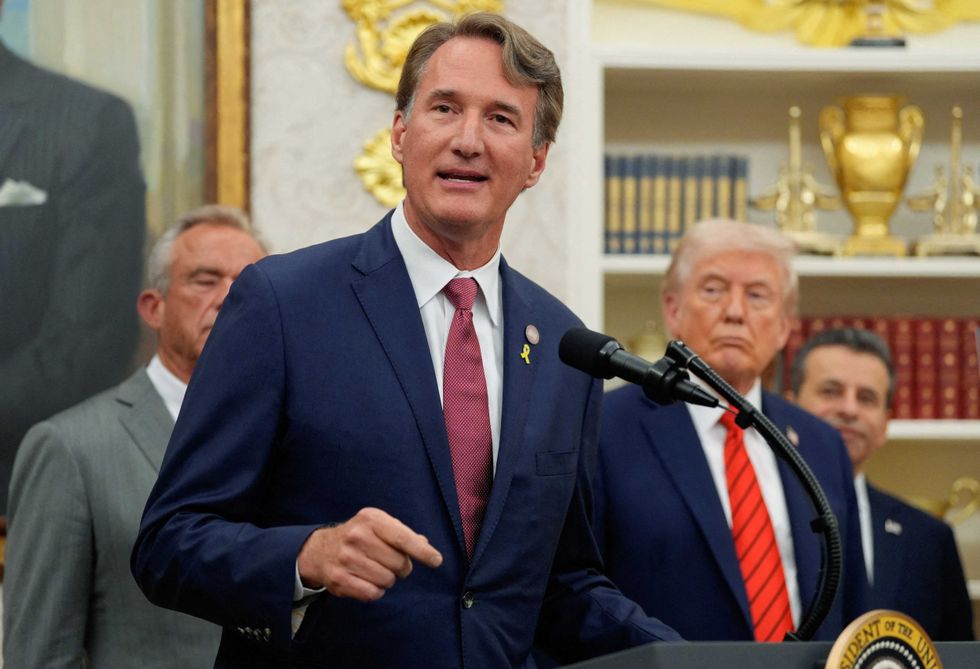
Virginia Republicans rage against ex-GOP governor: 'Missing in action' while eyeing 2028

Virginia Republicans rage against ex-GOP governor: 'Missing in action' while eyeing 2028

Republicans in Virginia are turning on the state's former GOP governor, Glenn Youngkin, according to the Wall Street Journal, accusing him of being "missing in
Share
Alternet2026/03/10 00:31
Unprecedented Surge: Gold Price Hits Astounding New Record High

Unprecedented Surge: Gold Price Hits Astounding New Record High

BitcoinWorld Unprecedented Surge: Gold Price Hits Astounding New Record High While the world often buzzes with the latest movements in Bitcoin and altcoins, a traditional asset has quietly but powerfully commanded attention: gold. This week, the gold price has once again made headlines, touching an astounding new record high of $3,704 per ounce. This significant milestone reminds investors, both traditional and those deep in the crypto space, of gold’s enduring appeal as a store of value and a hedge against uncertainty. What’s Driving the Record Gold Price Surge? The recent ascent of the gold price to unprecedented levels is not a random event. Several powerful macroeconomic forces are converging, creating a perfect storm for the precious metal. Geopolitical Tensions: Escalating conflicts and global instability often drive investors towards safe-haven assets. Gold, with its long history of retaining value during crises, becomes a preferred choice. Inflation Concerns: Persistent inflation in major economies erodes the purchasing power of fiat currencies. Consequently, investors seek assets like gold that historically maintain their value against rising prices. Central Bank Policies: Many central banks globally are accumulating gold at a significant pace. This institutional demand provides a strong underlying support for the gold price. Furthermore, expectations around interest rate cuts in the future also make non-yielding assets like gold more attractive. These factors collectively paint a picture of a cautious market, where investors are looking for stability amidst a turbulent economic landscape. Understanding Gold’s Appeal in Today’s Market For centuries, gold has held a unique position in the financial world. Its latest record-breaking performance reinforces its status as a critical component of a diversified portfolio. Gold offers a tangible asset that is not subject to the same digital vulnerabilities or regulatory shifts that can impact cryptocurrencies. While digital assets offer exciting growth potential, gold provides a foundational stability that appeals to a broad spectrum of investors. Moreover, the finite supply of gold, much like Bitcoin’s capped supply, contributes to its perceived value. The current market environment, characterized by economic uncertainty and fluctuating currency values, only amplifies gold’s intrinsic benefits. It serves as a reliable hedge when other asset classes, including stocks and sometimes even crypto, face downward pressure. How Does This Record Gold Price Impact Investors? A soaring gold price naturally raises questions for investors. For those who already hold gold, this represents a significant validation of their investment strategy. For others, it might spark renewed interest in this ancient asset. Benefits for Investors: Portfolio Diversification: Gold often moves independently of other asset classes, offering crucial diversification benefits. Wealth Preservation: It acts as a robust store of value, protecting wealth against inflation and economic downturns. Liquidity: Gold markets are highly liquid, allowing for relatively easy buying and selling. Challenges and Considerations: Opportunity Cost: Investing in gold means capital is not allocated to potentially higher-growth assets like equities or certain cryptocurrencies. Volatility: While often seen as stable, gold prices can still experience significant fluctuations, as evidenced by its rapid ascent. Considering the current financial climate, understanding gold’s role can help refine your overall investment approach. Looking Ahead: The Future of the Gold Price What does the future hold for the gold price? While no one can predict market movements with absolute certainty, current trends and expert analyses offer some insights. Continued geopolitical instability and persistent inflationary pressures could sustain demand for gold. Furthermore, if global central banks continue their gold acquisition spree, this could provide a floor for prices. However, a significant easing of inflation or a de-escalation of global conflicts might reduce some of the immediate upward pressure. Investors should remain vigilant, observing global economic indicators and geopolitical developments closely. The ongoing dialogue between traditional finance and the emerging digital asset space also plays a role. As more investors become comfortable with both gold and cryptocurrencies, a nuanced understanding of how these assets complement each other will be crucial for navigating future market cycles. The recent surge in the gold price to a new record high of $3,704 per ounce underscores its enduring significance in the global financial landscape. It serves as a powerful reminder of gold’s role as a safe haven asset, a hedge against inflation, and a vital component for portfolio diversification. While digital assets continue to innovate and capture headlines, gold’s consistent performance during times of uncertainty highlights its timeless value. Whether you are a seasoned investor or new to the market, understanding the drivers behind gold’s ascent is crucial for making informed financial decisions in an ever-evolving world. Frequently Asked Questions (FAQs) Q1: What does a record-high gold price signify for the broader economy? A record-high gold price often indicates underlying economic uncertainty, inflation concerns, and geopolitical instability. Investors tend to flock to gold as a safe haven when they lose confidence in traditional currencies or other asset classes. Q2: How does gold compare to cryptocurrencies as a safe-haven asset? Both gold and some cryptocurrencies (like Bitcoin) are often considered safe havens. Gold has a centuries-long history of retaining value during crises, offering tangibility. Cryptocurrencies, while newer, offer decentralization and can be less susceptible to traditional financial system failures, but they also carry higher volatility and regulatory risks. Q3: Should I invest in gold now that its price is at a record high? Investing at a record high requires careful consideration. While the price might continue to climb due to ongoing market conditions, there’s also a risk of a correction. It’s crucial to assess your personal financial goals, risk tolerance, and consider diversifying your portfolio rather than putting all your capital into a single asset. Q4: What are the main factors that influence the gold price? The gold price is primarily influenced by global economic uncertainty, inflation rates, interest rate policies by central banks, the strength of the U.S. dollar, and geopolitical tensions. Demand from jewelers and industrial uses also play a role, but investment and central bank demand are often the biggest drivers. Q5: Is gold still a good hedge against inflation? Historically, gold has proven to be an effective hedge against inflation. When the purchasing power of fiat currencies declines, gold tends to hold its value or even increase, making it an attractive asset for preserving wealth during inflationary periods. To learn more about the latest crypto market trends, explore our article on key developments shaping Bitcoin’s price action. This post Unprecedented Surge: Gold Price Hits Astounding New Record High first appeared on BitcoinWorld.
Share
Coinstats2025/09/18 02:30
Wall Street Bull Warns! “US Stock Markets Could Collapse, Bitcoin (BTC) Could Fall Further!”

Wall Street Bull Warns! “US Stock Markets Could Collapse, Bitcoin (BTC) Could Fall Further!”

Wall Street bull Ed Yardeni raised the probability of a US stock market crash to 35 percent and warned of further selling pressure on Bitcoin. Continue Reading
Share
Bitcoinsistemi2026/03/10 00:34