

Analysts flag weak scrutiny, political incentives in PHL budget process
By Chloe Mari A. Hufana, Reporter
THE Philippines’ budget process remains weakened by shallow scrutiny and entrenched political incentives, analysts said, after a Supreme Court opinion last week said President Ferdinand R. Marcos, Jr. gravely abused his power when he rushed the 2024 national budget.
“There is always a problem when Presidents rush budgets in order to show achievements by yearend: it creates an illusion of efficiency at the expense of scrutiny,” Hansley A. Juliano, political science lecturer at the Ateneo de Manila University, said in a Facebook Messenger chat.
He noted that during the speakership of Ferdinand Martin G. Romualdez, Congress’ fast approval of budgets was framed as unity and discipline but in practice downplayed concerns about weak fiscal oversight.
Congress is now deliberating on the 2026 spending plan, with the President expected to sign it by Dec. 29. The Senate approved its version on second reading last week. The bicameral conference committee will meet from Dec. 11 to 13 to reconcile the House and Senate versions, with the report expected on Dec. 16.
“We are now seeing the cost of that lack of scrutiny in the flood control projects,” Mr. Juliano said. “Even without the pork barrel, the pork mindset persists because it has become part of political culture.”
His comments followed a concurring opinion by Supreme Court Senior Associate Justice Marvic M.V.F. Leonen, who said Mr. Marcos abused his discretion when he certified the 2024 budget bill as urgent, allowing Congress to bypass the usual constitutional safeguards.
“I submit that the President’s certification of the urgency of House Bill 8980 was tainted with grave abuse of discretion,” Mr. Leonen wrote in his 35-page opinion.
He said the Sept. 20, 2023 certification lacked constitutional grounds — urgency certifications are allowed only during public emergencies. Because of this, lawmakers approved the bicameral conference report the same day they received it, compressing deliberations and leaving little room to examine the final spending items.
Mr. Leonen also pointed to Congress’ steep increase in unprogrammed funds — those intended for unexpected needs — from the P281.9 billion proposed by the President to P731.4 billion. He said the Constitution allows lawmakers only to approve or reduce the proposed budget, not expand it.
Budget specialists he cited described the move as “a new scheme of massively funding pork barrel,” enabling lawmakers to insert projects through agencies such as the Department of Public Works and Highways.
He added that the bicameral committee made major reallocations within the programmed budget in just eight days, then approved the expanded unprogrammed funds immediately afterward.
Mr. Leonen issued his opinion as the high tribunal ruled on the Philippine Health Insurance Corp.’s (PhilHealth) P89.9-billion fund transfer case. In its Dec. 3 ruling, the court unanimously ordered the return of P60 billion earlier transferred to the National Treasury and permanently barred the transfer of the remaining P29.9-billion balance.
The decision came more than a year after the court stopped the release of the last tranche through a temporary restraining order.
Mr. Marcos has ordered an additional P53.13 billion for PhilHealth drawn from suspended flood control projects, raising the total support to P113 billion for next year’s budget. He had earlier directed the return of the initial P60 billion to the state health insurer.
Executive Secretary Ralph G. Recto last week said the P113-billion infusion is the largest single investment in universal healthcare in the country, funded mainly by sin taxes and intended to widen coverage for poor households, seniors, persons with disabilities and other vulnerable groups.
Edmund S. Tayao, president and chief executive officer of Political Economic Elemental Researchers and Strategists, cautioned against interpreting Mr. Leonen’s separate opinion on the 2024 national budget as a restriction on presidential authority.
He said the opinion should not be used to challenge the Executive branch’s discretion.
“If as it turned out there were lapses in the recommendation of the House, then we correct this but not to limit or question the presidential discretion as to what bill to certify,” he said via Viber.
He noted that while legislative errors could be addressed, the Constitution gives the President the power to determine which bills require urgent certification.
Mr. Tayao also noted that the opinion is a separate view and does not reflect the judgment of the full Supreme Court.
He questioned the criteria for labeling the certification a “grave abuse of discretion,” warning that the focus on a single justice’s opinion could be politically exploited.
The comments come amid ongoing debates over transparency, executive influence, and congressional oversight in preparation for the 2026 national budget.
You May Also Like
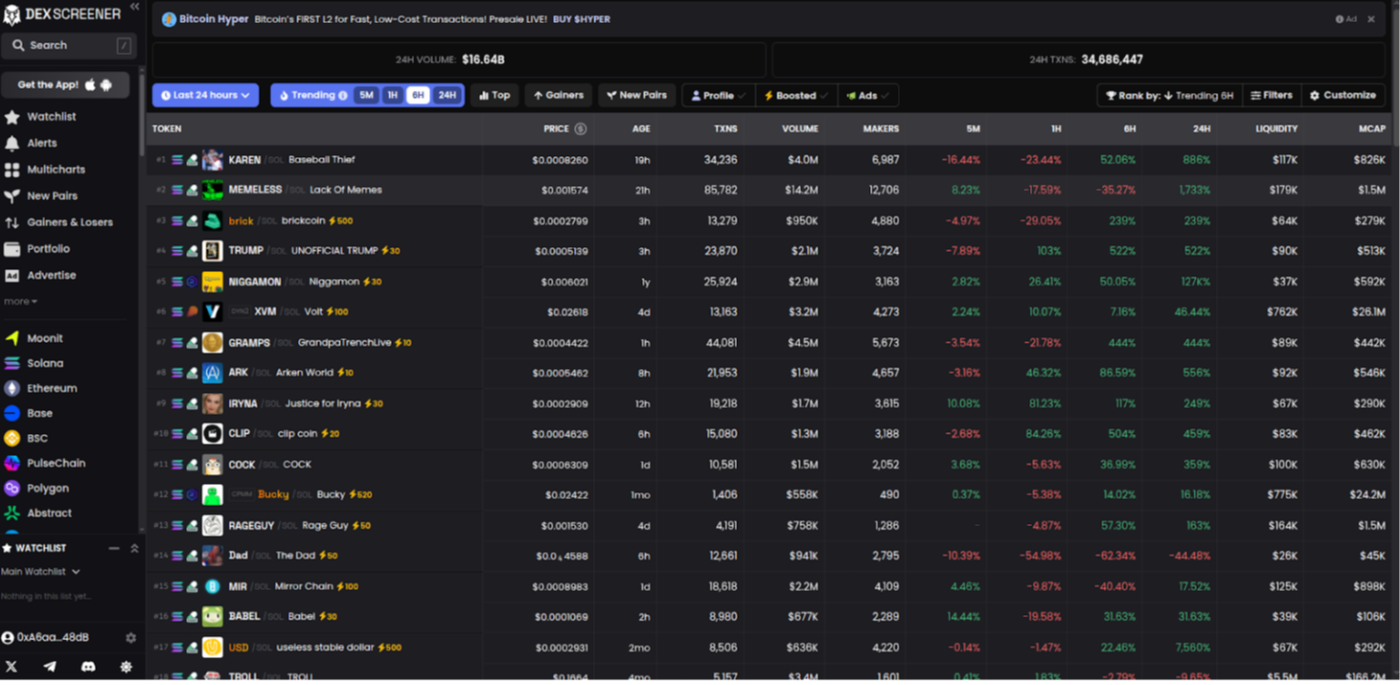
Building a DEXScreener Clone: A Step-by-Step Guide

China Blocks Nvidia’s RTX Pro 6000D as Local Chips Rise

BitGo wins BaFIN nod to offer regulated crypto trading in Europe
BitGo’s move creates further competition in a burgeoning European crypto market that is expected to generate $26 billion revenue this year, according to one estimate. BitGo, a digital asset infrastructure company with more than $100 billion in assets under custody, has received an extension of its license from Germany’s Federal Financial Supervisory Authority (BaFin), enabling it to offer crypto services to European investors. The company said its local subsidiary, BitGo Europe, can now provide custody, staking, transfer, and trading services. Institutional clients will also have access to an over-the-counter (OTC) trading desk and multiple liquidity venues.The extension builds on BitGo’s previous Markets-in-Crypto-Assets (MiCA) license, also issued by BaFIN, and adds trading to the existing custody, transfer and staking services. BitGo acquired its initial MiCA license in May 2025, which allowed it to offer certain services to traditional institutions and crypto native companies in the European Union.Read more