The Central Bank of Brazil (BCB) is making major reforms to the country’s foreign exchange (forex) system, as described in Law No. 14,286/2021. Although the changes mainly focus on electronic forex (eFX) platforms, they could also have a significant impact on crypto operations. Related Reading: Research Flags Bitcoin Nation-State FOMO—27 In, 13 About To Join […]The Central Bank of Brazil (BCB) is making major reforms to the country’s foreign exchange (forex) system, as described in Law No. 14,286/2021. Although the changes mainly focus on electronic forex (eFX) platforms, they could also have a significant impact on crypto operations. Related Reading: Research Flags Bitcoin Nation-State FOMO—27 In, 13 About To Join […]

How New Brazilian Forex Rules Could Shake Up Crypto Operations

2025/09/25 14:00

The Central Bank of Brazil (BCB) is making major reforms to the country’s foreign exchange (forex) system, as described in Law No. 14,286/2021. Although the changes mainly focus on electronic forex (eFX) platforms, they could also have a significant impact on crypto operations.

Under the proposals, only authorized institutions will be able to offer eFX services. This means crypto exchanges handling international payments may soon need to obtain specific licenses, meet stricter compliance standards, and disclose full transaction costs to customers.

The new rules require all operators to display the Total Effective Value (VET) of each transaction, a measure aimed at boosting transparency and consumer protection.
crypto Brazil ETH BTC Ethereum

Stablecoins and International Transfers Affected by New Brazilian Forex Rules

Widely used in Brazil to hedge against inflation and facilitate cross-border payments, stablecoins are likely to face increased regulatory oversight under the new framework. Regulators are considering measures that would limit international transfers via crypto to $10,000 per transaction.

Such restrictions could reduce the utility of dollar-pegged stablecoins like USDT for larger investors seeking to transfer capital abroad. Officials argue that these measures are necessary to reduce the risks of money laundering and capital flight, but critics warn that they may drive some activity toward unregulated platforms.

Will the New Rules Improve Crypto Security

Although the reforms aim to streamline forex processes and incorporate crypto into Brazil’s regulated financial system, they also increase reporting requirements.

Exchanges and brokers will be required to submit detailed client and transaction data to the central bank. Integration with systems like Pix, Brazil’s instant payment network, indicates regulators want crypto to be more closely connected to traditional finance.

For traders who previously viewed crypto as a way to bypass forex controls, these changes may mean less privacy and tighter regulation. However, analysts suggest the BCB is walking a delicate line, seeking to attract investment and improve market integrity without stifling innovation.

How the final rules are carried out will determine whether Brazil sets a standard for balanced crypto regulation and adoption in Latin America or risks pushing businesses toward more permissive markets.

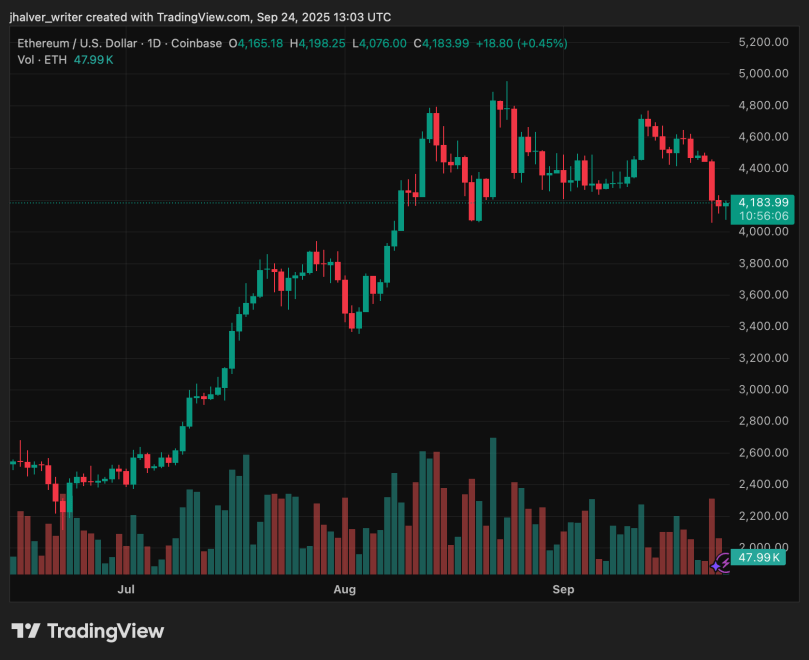
Cover image from ChatGPT, BTCUSD chart from Tradingview

Disclaimer: The articles reposted on this site are sourced from public platforms and are provided for informational purposes only. They do not necessarily reflect the views of MEXC. All rights remain with the original authors. If you believe any content infringes on third-party rights, please contact [email protected] for removal. MEXC makes no guarantees regarding the accuracy, completeness, or timeliness of the content and is not responsible for any actions taken based on the information provided. The content does not constitute financial, legal, or other professional advice, nor should it be considered a recommendation or endorsement by MEXC.

You May Also Like

Vitalik Buterin Proposes Ethereum Gas Futures Market for Long-Term Fee Predictability

Vitalik Buterin Proposes Ethereum Gas Futures Market for Long-Term Fee Predictability

The post Vitalik Buterin Proposes Ethereum Gas Futures Market for Long-Term Fee Predictability appeared on BitcoinEthereumNews.com. Vitalik Buterin proposes an on-chain futures market for Ethereum gas, allowing users to pre-buy and lock in fees before potential price surges. This mechanism would provide long-term predictability for BASEFEE, helping developers and businesses plan transactions amid network volatility. Buterin’s vision introduces futures trading for gas, securing costs in advance for future Ethereum transactions. This system generates market-driven signals for BASEFEE evolution, reducing uncertainty in fee planning. Early projects like Oiler have tested gas derivatives, but a mature market is needed; Ethereum’s BASEFEE has fluctuated up to 200% in past cycles, per network data. Ethereum gas futures: Vitalik Buterin’s plan to pre-buy fees and stabilize costs. Discover how this on-chain market could transform transaction predictability—explore Ethereum’s future now! What is Vitalik Buterin’s Proposal for Pre-Buying Ethereum Gas? Vitalik Buterin, Ethereum’s co-founder, is advocating for an on-chain futures market that enables users to pre-buy gas at fixed prices, addressing the network’s long-standing issue of unpredictable transaction fees. This approach shifts focus from immediate cost reductions to long-term fee stability, allowing individuals and organizations to hedge against future spikes in BASEFEE. By creating a dedicated trading platform within Ethereum, Buterin aims to make gas pricing more transparent and manageable, fostering greater confidence in the ecosystem’s economic model. How Would an Ethereum Gas Futures Market Function? Ethereum’s current gas fee system relies on dynamic pricing through the EIP-1559 mechanism, where BASEFEE adjusts based on network congestion, often leading to volatility that can surge by over 150% during peak periods, as observed in historical data from the Ethereum Foundation’s reports. Buterin’s proposed futures market would operate as a decentralized exchange for gas contracts, where traders buy and sell claims to future gas units at agreed-upon prices. This market-driven mechanism would aggregate collective expectations, providing real-time signals on anticipated BASEFEE trends—such as potential increases tied…
Share
BitcoinEthereumNews2025/12/07 18:31
UK Looks to US to Adopt More Crypto-Friendly Approach

UK Looks to US to Adopt More Crypto-Friendly Approach

The post UK Looks to US to Adopt More Crypto-Friendly Approach appeared on BitcoinEthereumNews.com. The UK and US are reportedly preparing to deepen cooperation on digital assets, with Britain looking to copy the Trump administration’s crypto-friendly stance in a bid to boost innovation.  UK Chancellor Rachel Reeves and US Treasury Secretary Scott Bessent discussed on Tuesday how the two nations could strengthen their coordination on crypto, the Financial Times reported on Tuesday, citing people familiar with the matter.  The discussions also involved representatives from crypto companies, including Coinbase, Circle Internet Group and Ripple, with executives from the Bank of America, Barclays and Citi also attending, according to the report. The agreement was made “last-minute” after crypto advocacy groups urged the UK government on Thursday to adopt a more open stance toward the industry, claiming its cautious approach to the sector has left the country lagging in innovation and policy.  Source: Rachel Reeves Deal to include stablecoins, look to unlock adoption Any deal between the countries is likely to include stablecoins, the Financial Times reported, an area of crypto that US President Donald Trump made a policy priority and in which his family has significant business interests. The Financial Times reported on Monday that UK crypto advocacy groups also slammed the Bank of England’s proposal to limit individual stablecoin holdings to between 10,000 British pounds ($13,650) and 20,000 pounds ($27,300), claiming it would be difficult and expensive to implement. UK banks appear to have slowed adoption too, with around 40% of 2,000 recently surveyed crypto investors saying that their banks had either blocked or delayed a payment to a crypto provider.  Many of these actions have been linked to concerns over volatility, fraud and scams. The UK has made some progress on crypto regulation recently, proposing a framework in May that would see crypto exchanges, dealers, and agents treated similarly to traditional finance firms, with…
Share
BitcoinEthereumNews2025/09/18 02:21