


The intersection of romance and cryptocurrency fraud represents one of the most alarming developments in digital crime today. As online dating platforms continue to grow exponentially, they have become fertile ground for scammers who exploit emotional vulnerabilities to steal digital assets. In 2025, victims of romance scams lost over $1.3 billion globally, a dramatic increase from previous years, signaling a rising threat that couples emotional manipulation with financial exploitation through cryptocurrencies. This guide aims to help readers understand the mechanics of these scams, recognize warning signs, and adopt protective measures to safeguard both their hearts and digital wallets in an increasingly complex cyber landscape.
Understanding the Mechanics of Crypto Dating Scams
At the core of these deceptions lies a sophisticated blend of romantic manipulation and financial fraud. Fraudsters often initiate contact through social media or dating platforms, crafting fake profiles—sometimes enhanced by AI-generated images—that appear trustworthy and appealing. They build seemingly genuine emotional connections, winning victims' trust over weeks or months. Once trust is established, scammers gradually steer conversations toward cryptocurrency investments or transfers, often presenting too-good-to-be-true opportunities or fabricated emergencies that require urgent crypto payments. This methodical approach, often referred to as a "crypto love trap," exploits the victim's desire for companionship and financial gain simultaneously, making detection especially challenging.
Warning Signs to Watch For
Identifying these scams requires vigilance for several key warning indicators. First, an unusually rapid escalation of emotional intimacy should raise suspicion, as genuine relationships generally develop over time. Scammers frequently insist on secrecy or confidentiality, discouraging victims from discussing the relationship or financial matters with others. Investment opportunities they propose often promise unrealistically high returns with minimal risk, a classic hallmark of fraud. Profile images may appear overly polished or professionally edited, and scammers typically avoid live video calls or in-person meetings, citing various excuses. Recognizing these red flags early can help prevent falling victim to these emotionally charged financial traps.
Recent Developments in Scam Tactics
Recent developments in cryptocurrency romance scams show increasing sophistication. The use of AI-generated fake profiles is now widespread, enabling scammers to create credible personas that can deceive even cautious users. Long-term manipulation tactics, where scammers invest months in grooming victims before requesting cryptocurrency, have become more common. Data from 2025 indicates a sharp increase in romance scams linked to crypto, with "pig-butchering" style investment frauds accounting for about one-third of all crypto scam revenues. This approach combines emotional grooming with fraudulent investment schemes, causing significant financial damage. Furthermore, dating platforms and social media remain primary venues for these scams, with victims often losing tens of thousands of dollars each.
Protective Strategies
To defend against cryptocurrency dating scams, individuals should adopt multiple protective measures. Maintaining secure and transparent communication channels is essential; never share personal or financial information prematurely. All investment proposals should be thoroughly researched, including verification through official cryptocurrency project white papers or websites. Users are advised to remain alert to suspicious behavioral patterns such as secrecy, pressure tactics, or inconsistent stories. MEXC offers advanced authentication options and security features that can help protect user accounts from unauthorized access, providing an additional layer of defense. Employing these strategies can significantly reduce the risk of falling prey to these scams.
Frequently Asked Questions
Frequently asked questions about cryptocurrency romance scams reveal common concerns. Victims often ask how to identify scammers—key signals include inconsistent personal stories, pressure for crypto transfers, and refusal to meet or video chat. Understanding the operational methods behind these scams clarifies how criminals exploit emotional attachment and the anonymity of crypto transactions. Unfortunately, recovering lost funds is notoriously difficult due to the irreversible nature of most cryptocurrency transfers, but victims are encouraged to report incidents promptly to authorities and exchanges like MEXC, which can assist with account security and potential investigations. Early recognition and action remain the best defenses.
Principles for Protection
The essential principles for protecting personal finances and privacy in the digital dating world emphasize cautious verification and skepticism. Always verify the legitimacy of online relationships by cross-checking information and insisting on live interactions. Approach unexpected investment proposals with healthy skepticism, no matter how convincing the emotional context. Leveraging MEXC's security infrastructure, including two-factor authentication and withdrawal whitelists, offers critical safeguards against unauthorized crypto transactions. By combining emotional awareness with technical security measures, individuals can protect both their hearts and wallets from the rising threat of cryptocurrency dating scams.
Conclusion
In summary, cryptocurrency dating scams represent a complex and growing menace that exploits emotional trust for financial gain. Awareness of their evolving tactics, recognition of warning signs, and proactive use of security tools like those provided by MEXC are vital in combating these frauds. Staying informed and cautious is the best way to navigate the digital dating world safely in 2025 and beyond.
Description:Crypto Pulse is powered by AI and public sources to bring you the hottest token trends instantly. For expert insights and in-depth analysis, visit MEXC Learn.
The articles shared on this page are sourced from public platforms and are provided for informational purposes only. They do not necessarily represent the views of MEXC. All rights remain with the original authors. If you believe any content infringes upon third-party rights, please contact [email protected] for prompt removal.
MEXC does not guarantee the accuracy, completeness, or timeliness of any content and is not responsible for any actions taken based on the information provided. The content does not constitute financial, legal, or other professional advice, nor should it be interpreted as a recommendation or endorsement by MEXC.
Latest Updates on Humans.ai
View More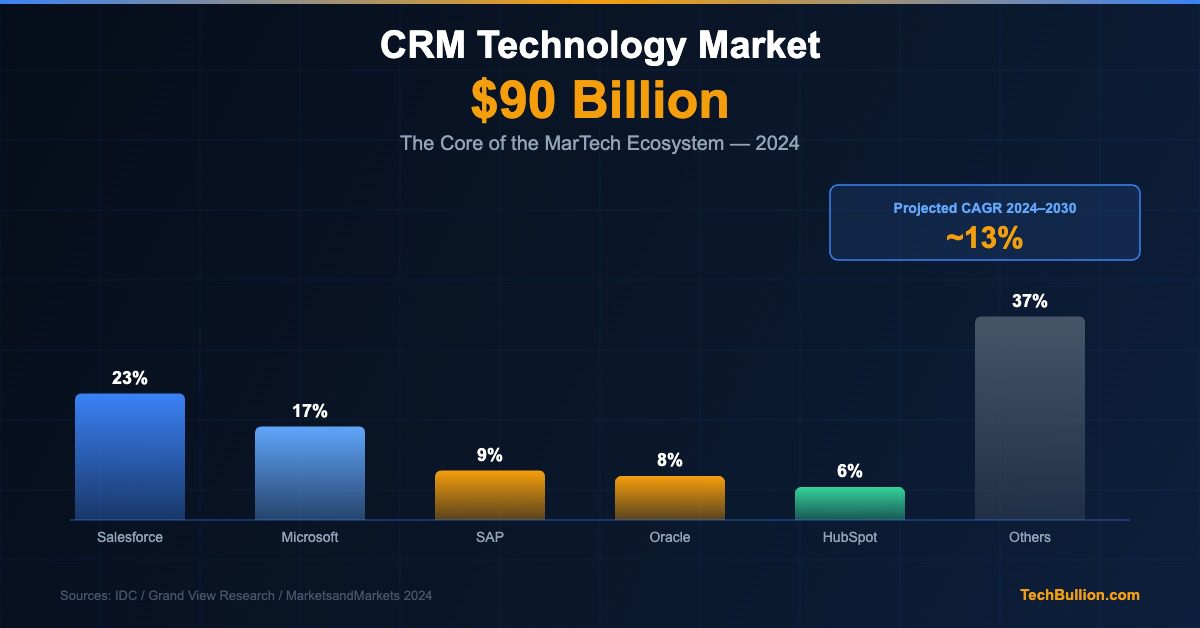
CRM Technology: The $90 Billion Market at the Heart of MarTech

Subaru Motors Finance Reviews 2026
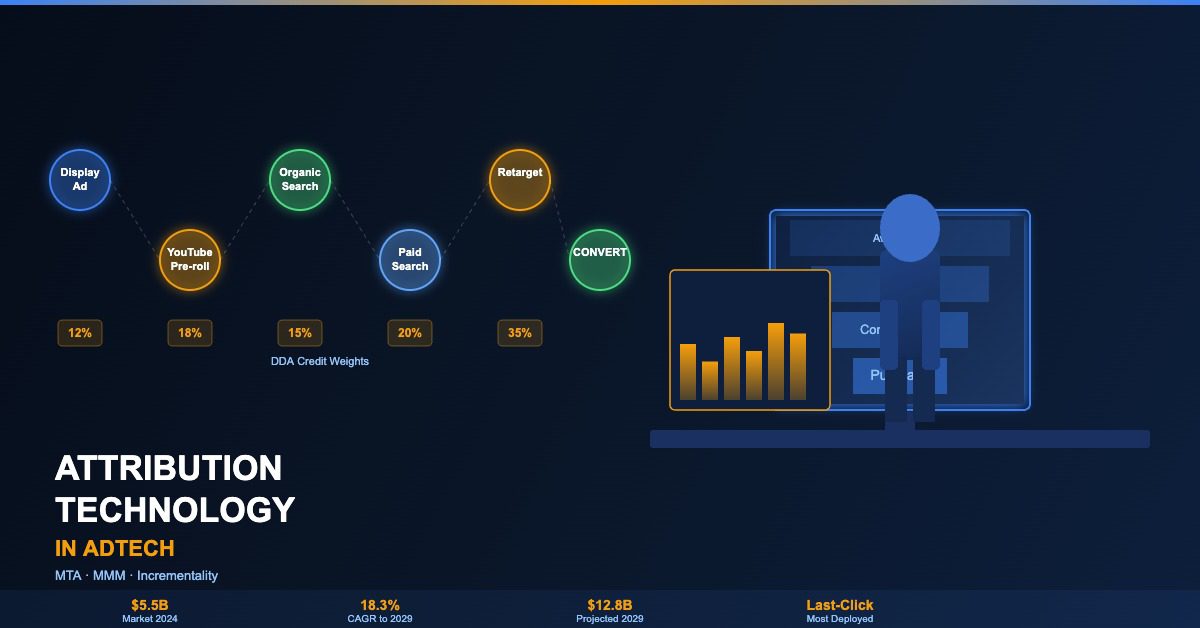
Attribution Technology in AdTech: How Marketers Are Measuring Campaign Impact
HOT
Currently trending cryptocurrencies that are gaining significant market attention
Crypto Prices
The cryptocurrencies with the highest trading volume
Newly Added
Recently listed cryptocurrencies that are available for trading